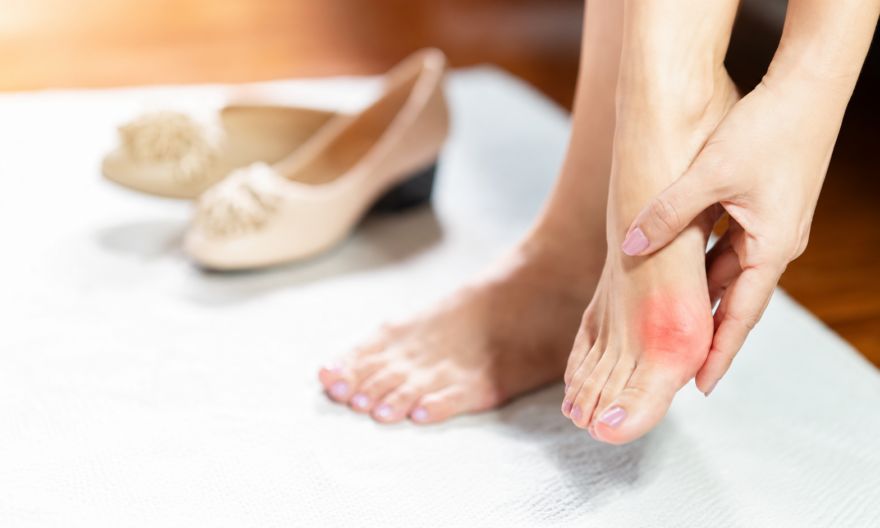
Bunion pain can turn simple steps into a daily struggle. The swollen joint near the big toe can spark pain while you walk, stand, or slip on shoes. Many people now choose bunion treatment in Singapore to relieve pain or help their feet move with ease. At Footworks Podiatary, patients often discover how small changes can protect their feet or stop the condition from growing worse. Supportive shoes, gentle stretches, or smart foot care can lower pressure on the joint. This guide shares ten helpful steps that can soothe discomfort or help you walk with greater comfort each day.
Table of Contents
- What Is a Bunion
- Common Signs of a Bunion
- Step 1: Wear Shoes That Fit Well
- Step 2: Use Ice to Ease Swelling
- Step 3: Try Foot Exercises
- Step 4: Add Protective Pads
- Step 5: Keep a Healthy Weight
- Step 6: Rest Your Feet Often
- Step 7: Use Custom Insoles
- Step 8: Take Medicine When Needed
- Step 9: Speak With a Foot Expert
- Step 10: Recover With Patience
- Daily Habits That Keep Your Feet Happy or Strong
- Final Thoughts
- FAQs
What Is a Bunion
A bunion forms near the base of the big toe. Therefore, the toe leans toward the other toes, while the joint pushes outward. Over time, the area grows swollen or sore.
Many people ignore the first signs. Also, the condition can worsen without proper care. Early treatment helps protect the joint, allowing for comfortable daily movement.
Common Signs of a Bunion
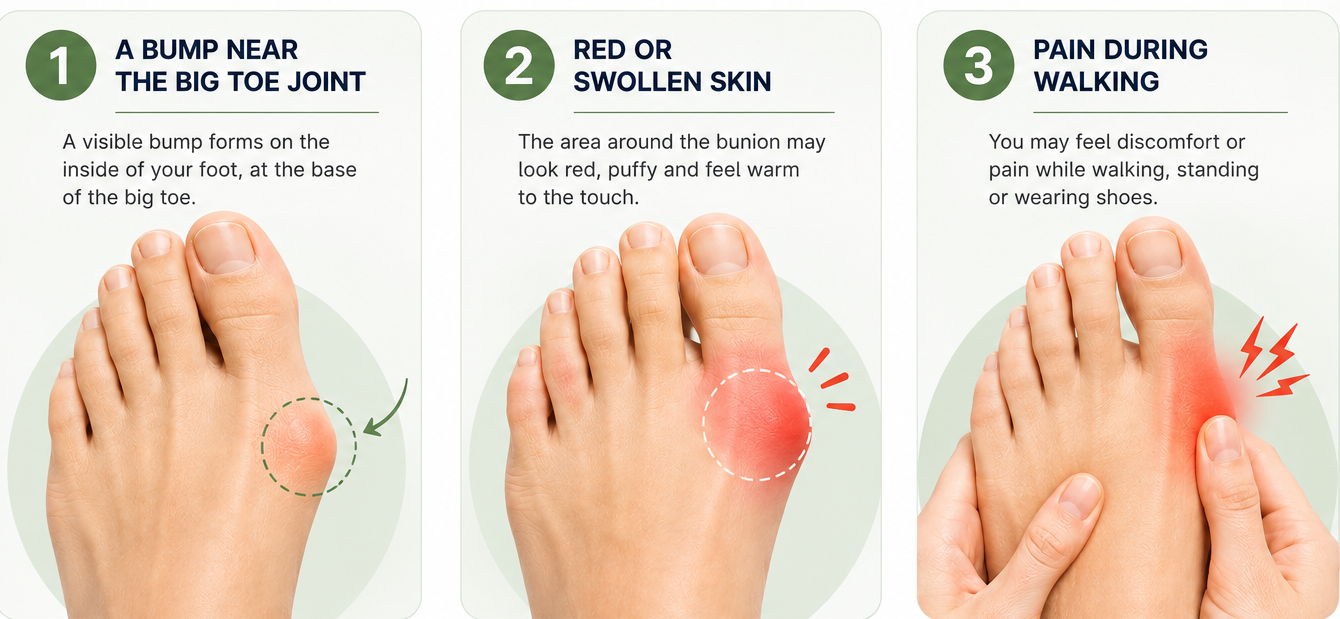
Look for these signs:
- A bump near the big toe joint
- Red or swollen skin
- Pain during walking
Therefore, quick action can stop further damage.
Step 1: Wear Shoes That Fit Well
Shoes play a huge role in foot health. At the same time, tight footwear squeezes the toes or strains the joint. Instead, pick shoes with a wide toe box or soft support.
Features to Look For in Shoes
Good shoes should:
- Leave room for the toes
- Hold the heel firmly
- Cushion the sole
Because of this, pressure on the bunion drops fast.
Shoes to Avoid
Some footwear can worsen bunion pain. Try to avoid:
- High heels
- Pointed shoes
- Hard soles
These styles squeeze the joint or increase friction.
Step 2: Use Ice to Ease Swelling
Swelling often follows long walks or long hours of standing. Ice cools the joint or calms pain. Wrap ice in a cloth or place it on the bunion for 15 minutes. After that, let the skin rest before the next round. This step works well after work or exercise.
When to Use Ice
Ice works best:
- After long walks
- After exercise
- During swelling
Regular cooling can help the foot feel calm or relaxed.
Step 3: Try Foot Exercises
Simple stretches strengthen the foot or help the toe move with ease. In turn, the joint stays flexible or steady.
Helpful Exercises
- Toe stretches
- Marble pickups
- Towel curls
Repeat each move each day for the best result.
Why Exercise Helps
Exercise improves blood flow or strengthens small foot muscles. Therefore, strong muscles support the joint to reduce pressure on the bunion. As a result, many people notice smoother movement or less pain.
Step 4: Add Protective Pads
Soft bunion pads shield the swollen joint from rubbing against shoes. As a result, walking feels smoother and less painful. Many pads fit inside normal footwear. However, choose soft materials that do not press against the skin.
Benefits of Bunion Pads
Protective pads can:
- Reduce rubbing
- Ease pressure
- Prevent skin irritation
Therefore, they work well for daily use.
Step 5: Keep a Healthy Weight
Extra body weight pushes more force onto the feet. Therefore, the bunion joint carries more strain during movement.
A balanced diet or daily walks can lower stress on the feet. Even small changes can help the joint feel lighter.
Foods That Support Joint Health
Healthy food choices can support recovery. Try adding:
- Fresh fruits
- Green vegetables
- Whole grains
Good nutrition helps the body maintain strong joints or muscles.
Step 6: Rest Your Feet Often
Long periods of standing can inflame the bunion. Instead, take short breaks during the day.
Simple Ways to Rest the Feet
Try these habits:
- Sit after long walks
- Raise the feet on a cushion
- Stretch the toes often
These steps help calm the joint before pain worsens.
Why Rest Matters
Rest gives the joint time to recover from pressure or movement. Without rest, swelling may grow stronger. Because of this, daily breaks can improve comfort or support healing.
Related Blog: Nail Fungus: A Comprehensive Approach to Treatment in Singapore
Step 7: Use Custom Insoles
Custom insoles support the arch or spread body weight across the foot. Because of this, pressure shifts away from the bunion. Many people visit a bunion specialist for insoles that match their foot shape or walking style.
How Insoles Help
Insoles can:
- Improve balance
- Support the arch
- Reduce joint pressure
As a result, walking often feels smoother or steadier.
Step 8: Take Medicine When Needed
Pain relief medicine can reduce swelling or soreness. Still, use medicine with care or follow medical advice. Do not rely on tablets alone. Instead, combine them with better footwear or healthy foot habits.
Speak to a Doctor First
Always seek medical guidance before using pain medicine for long periods. Some medicines may not suit every person. Therefore, safe use remains important.
Step 9: Speak With a Foot Expert
If pain grows stronger, seek help from a trained foot specialist singapore . A full check can reveal how far the bunion has progressed.
A Doctor May Suggest
- Physical therapy
- Special footwear
- Toe supports
In severe cases, bunion treatment may include surgery to correct the joint.
When to Seek Professional Help
Visit a foot expert if:
- Pain affects walking
- Swelling increases
- Shoes stop fitting well
Early care can prevent further joint damage.
Step 10: Recover With Patience
Healing takes time. However, steady care often brings strong results. Follow the treatment plan each day to protect the foot from strain.
A bunion specialist can track recovery or guide each stage of healing. As a result, walking becomes smoother, safer, or more comfortable.
Tips for Faster Recovery
To support recovery:
- Wear supportive shoes
- Avoid long-standing hours
- Follow exercise plans
These habits help protect the joint during healing.
Daily Habits That Keep Your Feet Happy or Strong
Small daily habits can shield your feet or help them move with ease. Simple actions like stretching, resting, or picking proper shoes can ease stress on the joints. The table below shares easy habits that can protect your feet to bring greater comfort during daily activities.
| Healthy Habit | How It Helps |
| Wear wide shoes | Gives the toes space to spread or relax |
| Stretch the toes | Keeps the joints loose or smooth |
| Rest the feet often | Calms swelling or eases pressure |
| Use soft insoles | Cradles the arches during walking |
| Walk with care | Stops extra strain on the joints |
Final Thoughts
Bunion pain can disturb daily life, slow movement, or steal comfort over time. Therefore, early care or healthy habits can protect the joints or strengthen the feet. Many people seek bunion treatment in Singapore when home remedies stop easing pain or when walking starts to feel difficult. Footworks Podiat helps patients build care plans that focus on comfort, movement, or lasting foot health. If bunion pain continues to grow, speaking with a trained foot expert can help you uncover the right treatment to step back into daily life with greater ease or confidence.
Need professional bunion care? Contact FootWorks Podiatry today to book a consultation with an experienced bunion specialist and take the first step toward pain-free movement.
FAQs
1. Can a bunion heal without surgery?
Many people can relieve pain or swelling without surgery. Supportive shoes, foot stretches, rest, or protective pads help to reduce pain while they protect against further deterioration of the condition. The medical staff will need to treat severe cases because they require joint realignment procedures.
2. What type of shoes help reduce foot pain?
Shoes with a wide toe area, soft cushioning, or firm arch support can ease pressure on the toes. Flat or narrow shoes often trigger discomfort, while supportive footwear helps the feet glide in a safer or smoother way.
3. Do foot exercises really help?
Yes, gentle foot exercises can strengthen muscles, loosen stiff joints, or support smooth movement. Simple stretches or balance exercises may also reduce tightness to help the feet feel calmer during walking or standing for long hours.
4. When should someone visit a foot doctor?
A person should visit a foot doctor when pain starts disturbing daily tasks, walking feels hard, or swelling continues to grow. Early care can block further joint problems or help the feet move with greater comfort or ease.