


Safe buildings help people live, learn, or work without fear. Roads, schools, hospitals, or offices need strong systems to stay secure each day. Building engineering services help engineers inspect structures, repair faults, to protect people from danger. Engineers examine power systems, trace water lines, manage air flow, or test fire safety tools with care. These steps stop small problems from growing into serious risks. Strong planning also saves energy, improves comfort, and supports long-term safety. As a result, communities enjoy secure spaces that withstand heavy use or rough weather.
The Role of Strong Engineering in Safe Buildings
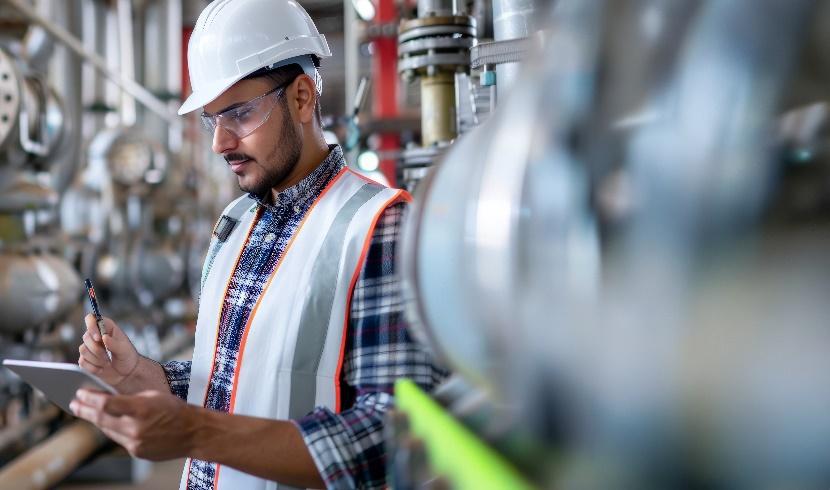
A safe structure needs care from the ground up. Engineers sketch each system with skill or focus. They test parts, trace faults, or repair risks before cracks widen. Each step helps the building stay strong for years.
Strong engineering also protects people during storms, floods, or heat waves. A weak structure can bend under pressure. However, a well-planned building can face harsh conditions with strength.
Key Areas Engineers Inspect
- Electrical wires or power units
- Water pipes or drainage paths
- Fire alarms or escape routes
- Heating or cooling systems
- Lifts or air flow units
Each part handles a clear task. When one section breaks down, the whole structure can suffer. Because of this, engineers monitor each detail with care.
Why Careful Design Matters
Good design guides safe movement inside a building. Wide stairways, firm floors, or bright halls help people move with ease. In schools or hospitals, this care becomes even more important.
Engineers also prepare buildings for emergencies. They place exits in safe spots or install alarm systems in clear reach. These steps help people leave the building without fear during danger.
How Smart Systems Prevent Damage
Buildings battle strain each day. Rain, heat, dust, or heavy foot traffic wear down key parts. Engineers tackle this wear with strong plans to sharpen tools.
Building engineering help teams catch faults at an early stage. This step stops small issues from turning into large disasters. For example, weak wiring can trigger fires, while poor drainage can weaken walls or floors.
Benefits of Routine Checks
- Fewer sudden breakdowns
- Longer life for key systems
- Safer spaces for families or staff
- Lower risk of fire or leaks
Routine checks also support clean air or safe water. Therefore, people stay healthy inside the building.
Early Repairs Save Time or Money
Small faults grow fast when people ignore them. A tiny pipe leak can stain walls or weaken floors. In the same way, loose wires can damage costly systems.
Engineers solve these issues before they spread. This step cuts repair costs to keep work on track. As a result, schools, offices, or shops avoid long closures.
Why Machinery Care Matters
Large buildings depend on machines each day. Pumps, lifts, fans, or cooling units carry heavy loads. When those machines fail, work can stop at once.
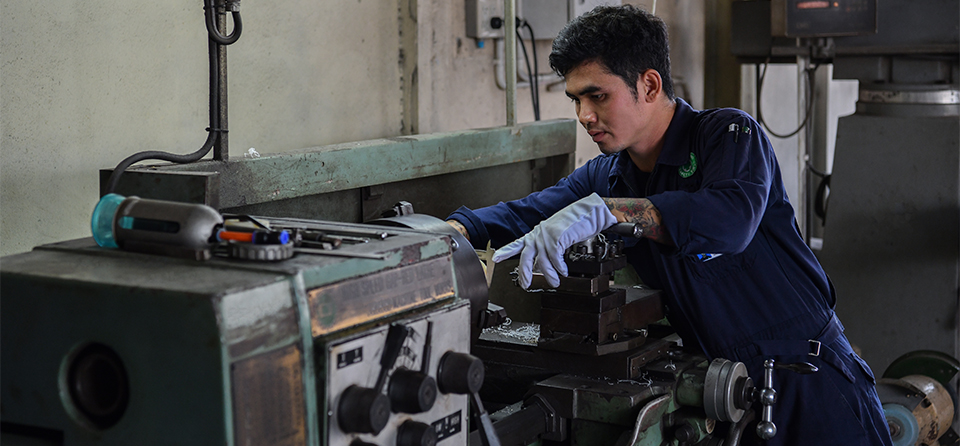
Teams that offer machinery repair services inspect worn parts or swap damaged pieces. They also test moving systems for signs of strain. As a result, machines run with strength or fewer faults.
Common Machines That Need Care
- Escalators to lifts
- Water pumps
- Ventilation fans
- Backup generators
Good care protects both workers or visitors from harm.
Signs That Machines Need Attention
Many systems show warning signs before failure. Loud sounds, shaking parts, or slow movement often signal trouble. Workers should report these signs at once.
Fast action helps engineers repair the fault before damage spreads. This habit keeps the building safe or avoids large repair jobs later.
Fire Safety Starts with Strong Planning
Fire can race through a building within minutes. Because of this, engineers place strong safety systems in every corner of the structure. Smoke alarms, sprinklers, or escape routes help save lives during danger.
Clear signs also guide people toward safe exits. In crowded buildings, this guidance becomes vital. Good planning with machinery repair services helps people stay calm or move in order.
Important Fire Safety Features
- Smoke detectors
- Fire doors
- Sprinkler systems
- Emergency lighting
- Escape stairways
Engineers test these systems on a regular basis. This process keeps each tool ready for use during an emergency.
Clean Air or Water Supports Health
People spend long hours inside buildings. Therefore, clean air or fresh water matters each day. Engineers shape systems that remove dust, smoke, or germs.
Air flow systems push stale air out or pull fresh air inside. Water systems also protect people from leaks or harmful waste. These systems help schools, offices, or hospitals stay healthy spaces.
How Engineers Improve Indoor Comfort
Engineers balance temperature or air movement across each room. They also clear damp spots that can damage walls or ceilings. In turn, people feel more comfortable at work or at rest.
Good comfort also supports focus or energy. Workers complete tasks with ease when the indoor space feels fresh or safe.
Energy Use or Environmental Care
Modern buildings need smart energy use. High power waste can strain budgets or natural resources. Engineers solve this issue through careful system design.
They install strong insulation, energy-saving lights, or modern heating systems. These steps lower power use or reduce waste. As a result, buildings support both people to the environment.
Ways Buildings Cut Energy Waste
- Use natural light during the day
- Install energy-saving heating systems
- Seal gaps around doors or windows
- Maintain cooling systems with care
These changes also improve comfort inside the building.
Training Builds Safer Buildings
Strong systems alone cannot protect a building. Workers also need training or clear safety rules. Engineers guide staff on emergency steps, machine use, or hazard control.
Training helps workers respond with speed during danger. It also lowers the risk of accidents inside the building.
Important Safety Habits
- Report faults without delay
- Keep exits clear at all times
- Check alarms or lights often
- Follow machine safety rules
These habits build a culture of care or responsibility.
Conclusion
Strong infrastructure supports every part of daily life, from homes or schools to hospitals or public spaces. Skilled engineers to repair teams maintain buildings, solve faults to keep systems running with care. Building engineering services play a key role in protecting people, reducing damage, or strengthening building performance. Safe systems also help communities grow with comfort or confidence. When engineers maintain structures with care, buildings last longer or serve people better. Good planning, smart repairs, or strong safety steps create secure spaces for future generations.
FAQs
1. Why do buildings need regular safety checks?
Regular safety checks help engineers catch small problems before they turn into major dangers. These checks protect people, prevent costly damage, to keeps systems like electricity, water, or fire safety tools running smoothly.
2. What happens when building systems fail?
When important systems fail, buildings can become unsafe for people. Broken lifts, damaged wiring, or blocked drainage can disrupt daily activities, create safety risks, or trigger expensive repair work if people ignore them.
3. How do engineers improve indoor comfort?
Engineers improve indoor comfort by balancing air flow, temperature, lighting, or water systems. These steps help people feel relaxed while working, learning, or resting in homes, schools, offices, or public buildings.
4. Why is machinery maintenance important in large buildings?
Large buildings depend on machines like pumps, lifts, or cooling systems every day. Regular maintenance keeps these machines running well, lowers the chance of sudden failure, or shields workers or visitors from harm.
5. How does safe infrastructure help communities?
Safe infrastructure supports daily life by creating secure schools, hospitals, roads, or workplaces. Strong systems protect people, improve comfort, or help communities flourish with confidence, safety, or better living conditions for everyone.
