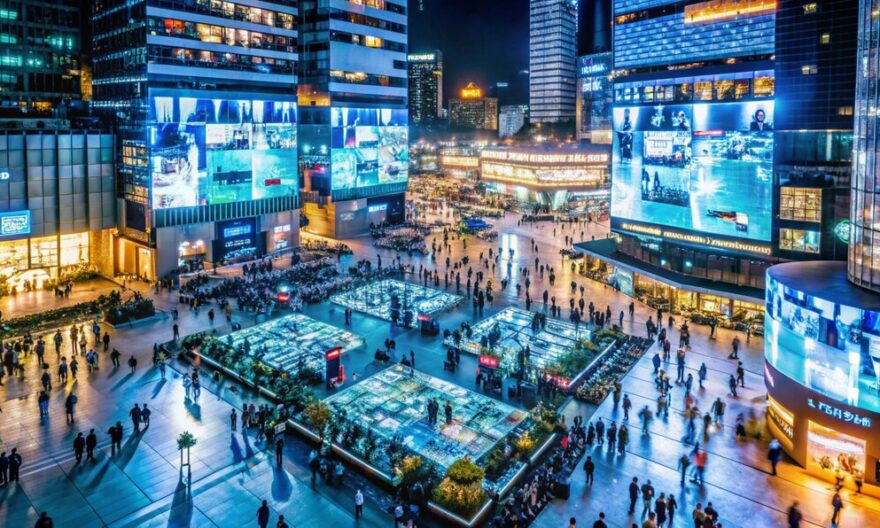
Planning a corporate event calls for clear vision and smart tools. A well-placed screen can shape how guests view and feel your event. It helps you share ideas, guide guests, and build a strong brand presence. Many planners now pick an LED Display Screen Singapore to craft bright and clear event spaces. With the right setup, you can turn a simple venue into a space that feels lively and engaging.
Why LED Displays Work for Corporate Events
A bright screen can change how people see your event. It even draws eyes and holds attention. That also helps you share clear and sharp content.
Key benefits include:
- Strong light that stays clear in any hall.
- Sharp images that keep viewers focused.
- Flexible size to fit any stage.
- Quick setup that saves time.
These LED display Singapore suit a wide range of event types. Also, you can use them for talks, launches, or award nights. As a result, your message reaches each guest with ease.
Understanding LED Display Basics
Before you choose a screen, you should know how it works. This even helps you make better choices.
Important elements to know:
- Modules: Small panels that join to form a large screen.
- Resolution: Number of pixels that shape image quality.
- Brightness level: Controls how clear the screen looks in light.
- Refresh rate: Keeps motion smooth and steady.
In simple terms, each part works together to show clear visuals. Also, when you understand these basics, you can plan your setup with more confidence.
Choosing the Right LED Display
Picking the right screen takes thought. You must even match it with your event needs.
Consider these points:
- Screen size: Match it with the venue space.
- Pixel pitch: Choose fine pitch for close views.
- Indoor or outdoor use: Pick based on location.
- Content type: Video, slides, or live feed.
In addition, plan your content early. Even this helps you avoid last-minute stress. A clear plan leads to smooth use of displays.
Matching Display Type to Event Goals
Each event has a goal. Your screen must support that goal.
Common display types:
- Backdrop screens: Sit behind speakers on stage.
- Side screens: Help guests see from far seats.
- Entrance displays: Welcome guests with brand visuals.
- Interactive screens: Let users engage with content.
For example, a product launch may need a large backdrop. On the other hand, a seminar may need side screens. When you match the type to the goal, your event feels more organised.
Set Up Steps Made Simple
A neat setup brings strong results. Each step must be clear and easy to follow.
Basic setup steps:
- Check venue space and power points.
- Even a place where the screen is visible to all can be seen.
- Test the image and sound before the event.
- Keep a backup plan for safety.
Next, work with your team to check each detail. This keeps the event flow steady. You also reduce risk during the show.
Pre-Event Planning Checklist
Good planning shapes a smooth event. You should prepare well before the day begins.
Use this checklist:
- Confirm screen size and layout.
- Review content format and quality.
- Check cables and power supply.
- Plan screen position with stage design.
In addition, run a full test before guests arrive. This LED display in Singapore for corporate events helps you spot any issues early. A strong start leads to a smooth event flow.
On-Site Installation Tips
The setup process needs care and clear steps. Even a strong team can handle this with ease.
Key installation tips:
- Evenly align panels to avoid gaps.
- Also, secure the frame for safety.
- Even hide cables to keep the area neat.
- Keep test brightness based on hall lighting.
Also, guide your team through each step. Also, this keeps work smooth and quick. As a result, your setup looks clean and sharp.
Best Use Cases for Corporate Events
A screen can serve many roles at an event. It can even inform, guide, and impress guests.
Common uses:
- Welcome screens at entry points.
- Live display during talks.
- Brand visuals for product launch.
For instance, many planners choose LED display in Singapore for corporate events to show brand stories. Even this keeps guests involved from start to finish.
Content Design for LED Displays
Good content brings your screen to life. Even you must keep it clear and bold.
Design tips:
- Use large fonts for easy reading.
- Pick strong colours for contrast.
- Keep text short and simple.
Even avoid clutter on the screen. Also, a clean design helps guests understand your message fast. In turn, your event feels more professional.
Tips for a Smooth Event Experience
A few simple steps can lift your event quality.
Follow these tips:
- Keep content clear and short.
- Use bold visuals for impact.
- Test all files before the event.
Also, check your screen often during the event. Even this helps you catch any issues fast. In turn, your event runs without breaks.
Final Thoughts
A smart display setup can lift your event from good to great. It helps you present content with clarity and keeps your audience focused from start to end. Each detail, from planning to setup, plays a key role in success. Many event teams choose an LED Display Screen in Singapore to deliver strong and clear visuals. When you plan each step with care, your event leaves a clear and lasting impact.
FAQs
- What size screen should I choose for my event?
You should pick a screen size based on your venue and audience distance. A larger space needs a bigger screen so all guests can see with ease. Always check viewing angles before you finalise your setup.
- How early should I set up the display before the event?
You should finish the setup at least one day before the event. This gives you time to test visuals, fix issues, and make sure everything runs without stress at the last moment.
- Can I use one display for different types of content?
Yes, you can show videos, slides, and live feeds on the same display. Plan your content early and test each format so it runs smoothly during the event without any trouble.
- What should I do if the display stops working during the event?
You should keep a backup plan ready at all times. Check cables, restart the system if needed, and keep support staff close. Quick action helps you fix issues and keep the event flow steady.