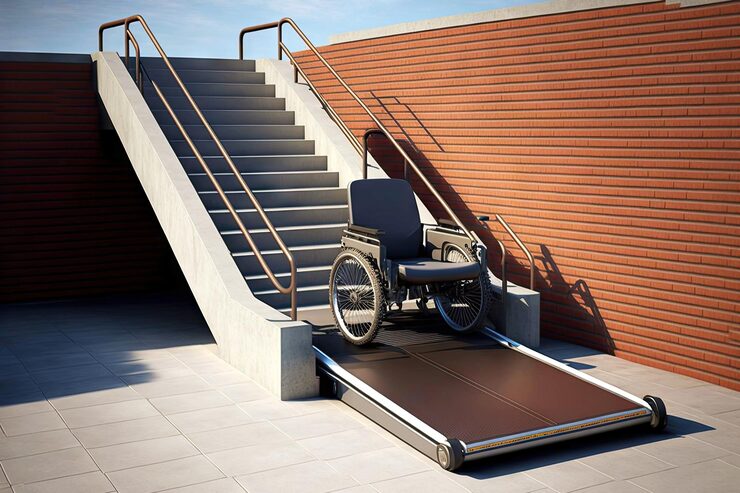
Patients are always being transferred from one floor to another within a hospital facility. Nonetheless, some hospitals have been facing challenges in this area as patients are injured when manually lifted, and there have been cases of injuries to employees. Such an accident causes pain, distress, and prolonged healing time.
The modernisation of hospitals is associated with increased emphasis on safe patient handling equipment. A wheelchair platform lift is one such type of equipment which makes the movement of patients easier for hospital workers. Similarly, the use of a hoist ensures the proper lifting of patients when transferring them from one place to another.
Mobility solutions help hospitals enhance patients’ comfort, avoid injuries, and facilitate smooth care processes.
What Is a Wheelchair Platform Lift?
The wheelchair platform lift is a machine which transports an individual sitting on his/her wheelchair up and down between floors. It contrasts with the normal passenger lift in that it is designed for use with wheelchairs.
The wheelchair, the individual using it, and even an accompanying caregiver fit in the platform.
Wheelchair platform lifts are used in:
- Hospitals and polyclinics
- Rehabilitation centers
- Nursing homes
- Outpatient clinics specialising in rehabilitation
In Singapore, with most old buildings not taking into consideration disability issues, such lifts serve a great purpose.
How Hospitals Use Wheelchair Platform Lift Systems
A variety of departments in hospitals employ wheelchair platform lifts for the purpose of safe transportation of patients within the facility. These systems allow nurses to facilitate patient transport safely, without straining themselves due to their hectic schedules.
Transporting Patients from Floor to Floor
As older structures of hospitals may not be equipped with spacious elevators, a platform lift will be of great assistance to staff members when transporting patients from floor to floor.
Accessibility Requirements Fulfilment
Hospitals should ensure equality for all their patients and visitors. Such equipment enables healthcare organisations to maintain accessibility requirements while keeping patients comfortable.
Enhancing Visitors’ Comfort
It is common practice for hospitals to install such lifts to make life easier for visitors. This will ensure that visitors feel more comfortable within a facility.
The Role of a Patient Hoist in Modern Healthcare
Patient hoist differ from the platform lifts in that they help in transferring patients from one position to another rather than transporting patients from one floor to another.
The hospital utilises hoists in its wards, intensive care units, rehab centres, and nursing homes.
Uses of Patient Hoists
- Some common applications include:
- Transfers from bed to wheelchair
- Assistance with bathing
- Rehabilitation purposes
- Surgical recovery
- Transportation of patients with limited mobility
These systems reduce physical strain on staff while helping patients feel more secure.
Wheelchair Platform Lift vs Patient Hoist
| Feature | Wheelchair Platform Lift | Patient Hoist |
| Main Purpose | Moves wheelchairs between levels | Lifts patients during transfers |
| Common Location | Stairways and entrances | Patient rooms and wards |
| User Type | Wheelchair users | Limited mobility patients |
| Staff Support | Reduces transfer effort | Reduces manual lifting |
| Safety Benefit | Prevents falls on stairs | Prevents lifting injuries |
Benefits of a Wheelchair Platform Lift for Hospitals
Hospitals require proper systems that will ensure the safety of moving patients in the facility. Use of a wheelchair platform lift ensures a safe and smooth transition in many ways.
Patient Safety
The controlled movement will prevent falls and other risks that come with transferring the patients. Patients will be more comfortable because the movement is smooth.
Reduced Cases of Injuries among Nurses
Healthcare staff may be exposed to cases of work-related injuries. Using lifts minimises injuries experienced by health workers.
Fast Moving of Patients
Rapid movement of patients in the hospital is vital for the facility’s efficient operation. The lift system ensures rapid movement.
Patient Experience
The use of mobility equipment by many hospitals has made patients more satisfied. Most hospitals have adopted the use of mobility equipment in their processes.
Choosing the Right Wheelchair Platform Lift for Hospitals Patient
Every lift is not meant for every setting. Here are factors that the purchasing committees in hospitals consider when selecting:
- Load capacity: Hospital lifts can hold up to a weight of 300 kg to 500 kg, inclusive of the patient, the wheelchair, and any accompanying carer.
- Platform dimensions: Some wheelchairs have wider dimensions than the standard. Measure the largest wheelchair available in the facility.
- Height of travel: There are some lifts that have short travel height that range from 1 meter to 2 meters, while other lifts can travel a whole floor.
- Indoor and outdoor lift considerations: Platform lifts used outdoors are supposed to have some kind of weather protection. They can be found in courtyards, covered walkways and external ramps.
- Installation site: In busy corridors in hospitals, you will find less space than in other places. Some lifts consume less space than others.
Conclusion
Safe patient handling is what determines the level of care in all hospitals. This is because the wheelchair platform lift enables hospital staff to move wheelchairs between different floors safely. A hoist enables easy transfer of patients whenever there is a need for it. The combination of the two makes the hospital environment safe and improves efficiency.
When hospitals use effective mobility equipment, they create safe environments for patients and medical practitioners alike. There is a need to embrace such technology in order to cope with future demands.
Frequently Asked Questions
What is the difference between a wheelchair platform lift and a passenger lift?
While a passenger lift is fully enclosed for general public usage, a wheelchair platform lift is a relatively smaller platform which is meant to be used by people sitting in wheelchairs. In simple terms, this is a much easier-to-install lift than a passenger lift, which can only be installed in areas where a lift cannot be installed.
Is a wheelchair platform lift suitable for hospital use?
Yes, it is especially if it is a hospital model that has been specially designed to have features including battery backup, barriers, and stop controls. This type of lift is able to withstand the frequency of use in hospitals.
Can a caregiver be lifted together with the patient?
In most cases, a hospital lift can carry both patients using wheelchairs and their caregivers, who should assist the patient while moving from one point to another.
How many times does a hospital lift need servicing?
Hospital lifts require servicing at least once every three months if the hospital uses the lift at least four times daily.