A home’s entrance gives the first look to anyone who visits. Many people in Singapore want a gate that looks attractive and works well. Picking the right gate for your home involves more than just choosing a style. This guide explains everything about picking a main gate in Singapore for your house.
Gates do more than just block the way in. They add beauty, keep you safe, and make your home worth more. Modern residential gate solutions come in many shapes, materials, and ways to open. Some people like sliding gates, while others pick swinging ones. This article looks at all these choices in simple words, helping you make a smart pick for your home.
Types of Residential Gates for Singapore Homes
Different house layouts need different gate styles. Some designs work better for flats, while others suit houses with gardens.
1. Sliding Gates for Tight Spots
Sliding gates move sideways along a metal track. These work exceptionally well for homes with short driveways or small front areas. The gate slides open without swinging out, saving valuable space.
2. Swing Gates for Big Houses
Swing gates open inward or outward like a normal door. These need more open space but give a classic, fancy look. Big houses with long driveways often use these grand entrances.
3. Bi-Folding Gates for Easy Use
Bi-folding gates fold back onto themselves in two parts. These give the best of both sliding and swinging designs. They take up less room than swing gates while giving wide access.
Materials That Make a Strong Main Gate
The stuff your gate is made from decides how long it lasts. Each material brings different good points.
1. Strong Stainless Steel
Stainless steel fights rust, which is particularly advantageous for Singapore’s wet weather. This material remains durable for many years without losing its shine. Many flats and houses use steel for these reasons.
2. Wrought Iron for Old-Style Beauty
Wrought iron gives a traditional, elegant look that remains timeless. Skilled workers can shape it into lovely curves and patterns. But this material needs regular painting to stop rust.
3. Aluminium for Light Strength
Aluminium weighs much less than steel or iron. This makes it easier to open and close, even for kids. The material does not rust, so it needs very little care.
4. Wood for Warm Feel
Wooden gates bring a cosy, natural feel to any home entrance. Teak and other hardwoods fight rot and bugs well. Wood needs regular sealing and painting to look its best.
Automation and Smart Features
Technology has changed how home gates work today. Push a button, and your gate opens without any work.
1. Motorised Opening Systems
Electric motors hook onto gates, letting them open by themselves. Sensors spot when cars come near and start the movement. Remote controls or phone apps start the process.
2. Safety Sensors and Auto-Reverse
Smart gates have sensors that spot things in their path. If a child or pet blocks the way, the gate stops and goes back. Singapore rules require these safety features.
3. Link to Home Security
New gate systems link right to your house alarm and cameras. When someone rings the gate bell, you can see them on your phone. You can also unlock the gate from far away for guests.
Design Trends for the Main Gate in Singapore
Gate styles change over time, just like clothes. Here are the current popular looks for a main gate in Singapore.
1. Simple Horizontal Bars
Clean, straight lines define this modern style. Flat metal bars make a simple, neat look. This design works exceptionally well for new homes and flats.
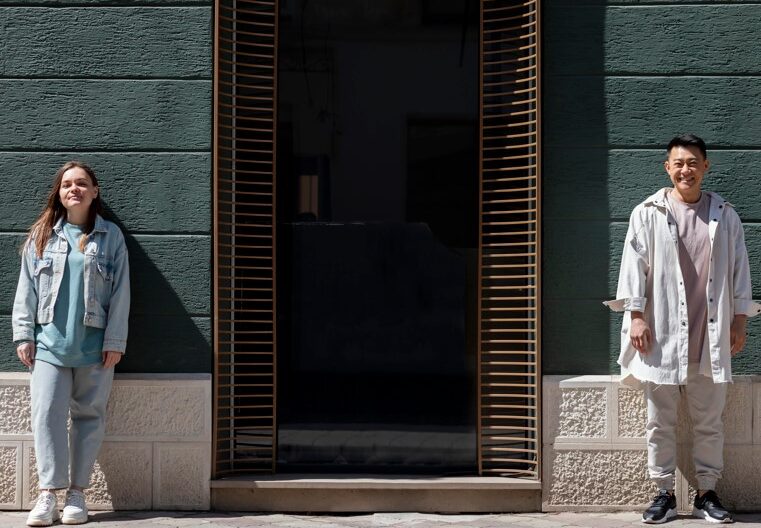
2. Metal Sheets with Holes
Small holes punched into solid metal sheets make striking patterns. These sheets block views while letting air flow through. Homeowners who like privacy love this trendy choice.
3. Mixed Materials
Designers now mix wood with metal for unique looks. Aluminium frames hold wood strips for a warm, modern feel. Glass pieces put into steel gates add a touch of class.
Security Features to Think About
A gate’s main job is to keep unwanted people out. Strong locks and smart design choices make things safer.
1. Two Locks
Good gates come with two locking spots instead of one. The top and bottom both lock tight into the frame. This makes it much harder for someone to force the gate open.
2. Anti-Lift Brackets
Sliding gates can sometimes lift off their tracks from the outside. Anti-lift brackets stop such incidents from happening by holding the gate down tight. These small parts provide significant safety benefits at a very low cost.
3. Good Hinges and Rollers
Weak hinges make even strong gates vulnerable to breaking. Heavy-duty hinges with sealed bearings last much longer. Rollers should have rubber wheels for quiet movement.
Picking Between Custom and Ready-Made Gates
Some homeowners buy standard gates from shops. Others order gates made just for their entrance size.
1. Good Points of Standard Sizes
Ready-made gates cost less because factories make many at once. You can take them home right away without waiting weeks. But odd-shaped entrances may not fit these standard choices.
2. Good Points of Custom-Making
A made-to-measure gate fits your entrance just right, with no gaps. You pick every detail, from material to colour to pattern. The wait time lasts longer, but the result looks much better.
3. Measuring Your Entrance Right
Before ordering any gate, measure the opening width and height. Check if the ground is level or slopes to one side. Wrong measures lead to gates that do not fit right.
Rules and Okay for Residential Gate Solutions
Singapore has rules about what gates you can put up. Check these before buying to avoid any fines.
1. HDB Flat Gate Rules
HDB lets only certain gate designs for normal flats. The gate cannot swing out into shared hallways. Check with your town council before ordering any residential gate solutions for an HDB home.
2. Condo Building Rules
Private condos have their own set of gate rules. Most ask for the same style across all units. Always get written okay before changing your condo’s entrance gate.
3. Landed House Freedom
Landed homeowners enjoy much more choice for their gates. You can pick any style, colour, or material you like. But the gate must stay within your property line.
Conclusion
Picking the right residential gate solutions makes your home look better and feel safer. Think about your space, style, and needs before making a choice. Sliding gates work well for tight spots, while swing gates suit big driveways. Stainless steel and aluminium need little care, but wood and iron ask for more. Electric gates add ease but cost more to put in. Always check HDB or condo rules before ordering your new gate. A good gate protects your family and makes your home worth more for years.
FAQs
1. How long does a residential gate typically last in Singapore?
A durable stainless steel or aluminium gate lasts twenty to thirty years. Wrought iron gates need more care, but can last just as long. Wood gates usually need new ones after ten to fifteen years.
2. Can I install an automatic opener on my existing gate?
Yes, most gates can take a motorised opener with some changes. A pro will check if your gate rolls smoothly on its track. Old or bent gates may need fixes before the motor works right.
3. What is the best material for a main gate in Singapore’s humid weather?
Stainless steel and aluminium fight rust best in our hot, wet weather. Both materials need very little care to stay looking new. Wrought iron needs regular painting to stop rust.
4. Do I need permission to change my HDB flat’s main gate?
Yes, HDB needs okay before you change any gate in a public housing flat. Your new gate must meet size, colour, and safety rules. Ask through the town council’s or HDB’s website first.