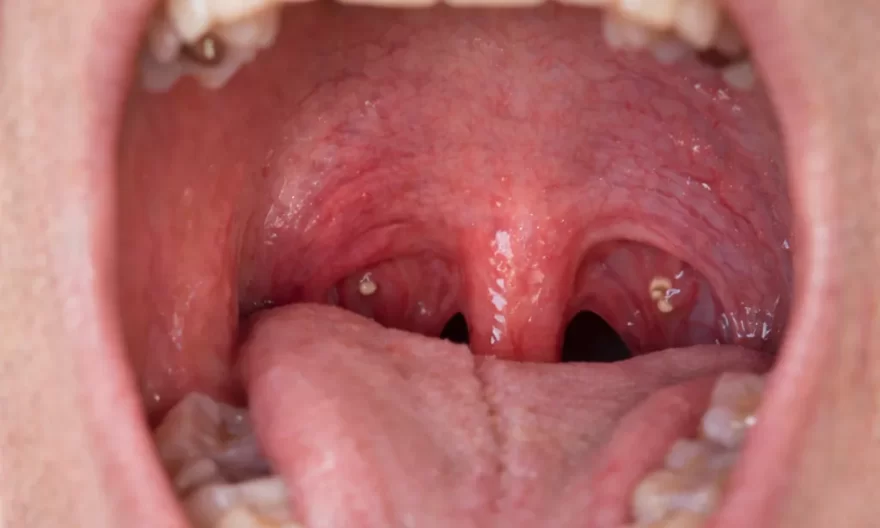
Parents often assume snoring or mouth breathing in children remains normal despite the risks. Actually, enlarged adenoids frequently cause these specific struggles. Ignoring such conditions harms sleep, speech, hearing, and academic progress eventually. It is a gamble.
Symptoms usually develop steadily, leaving adults unaware until the situation worsens significantly. Taking early action creates major improvements for every child involved. Seek help.
Consulting adenoids specialist doctor identifies underlying issues before long-term damage occurs. You gain knowledge regarding early warning signs, various effective treatment choices, and why expert support matters for recovery.
What Are Adenoids and What Do They Do?
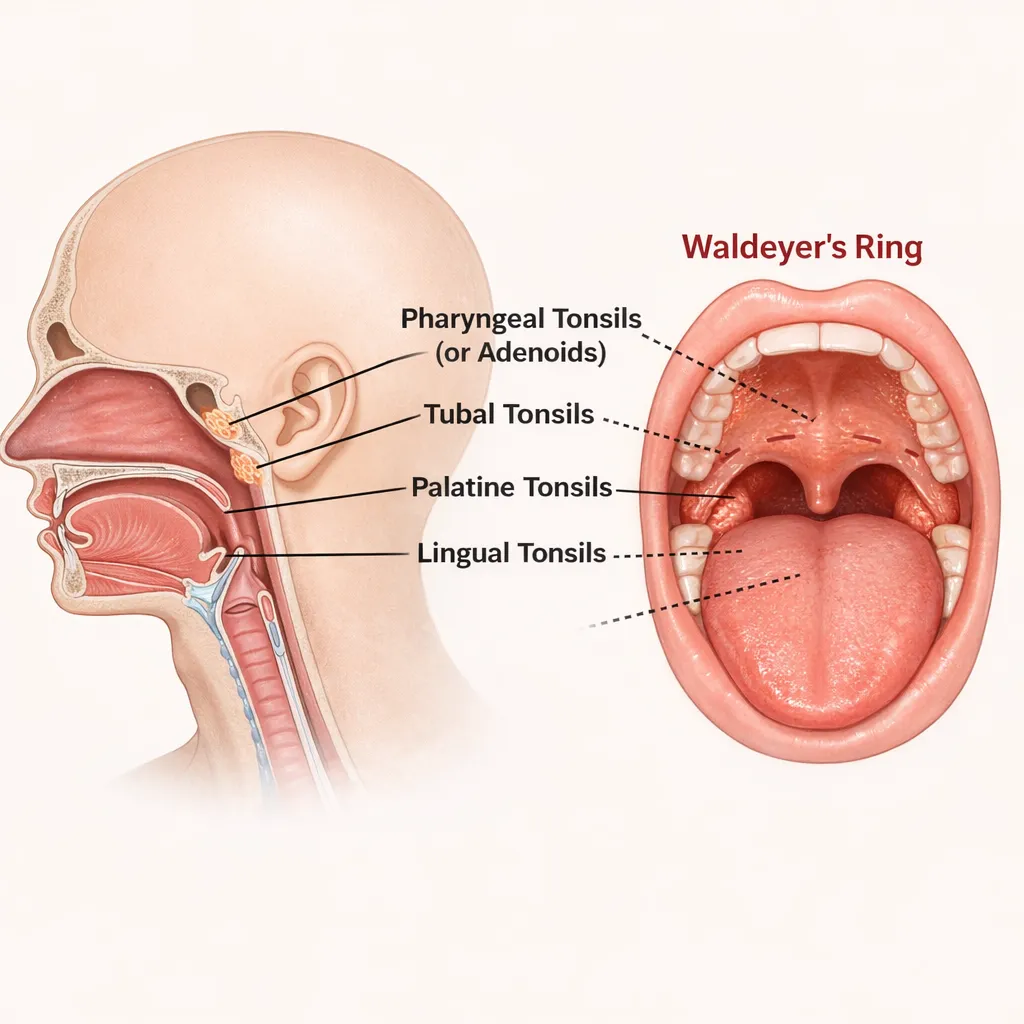
Adenoids are these small tissue patches sitting behind your nasal passage, right above the throat area. They act like immune sentries, snagging germs so little kids don’t catch everything. But kids grow fast. Sometimes those glands swell up and, somehow, do not quite return to normal again.
When the air passage is blocked, breathing gets laboured, and the evenings get rough for everyone. Exhausted children then drag themselves through school because their sleep is constantly messed up by those stubborn tissues.
Common Signs Your Child Needs Adenoids Specialist Doctor
At first, some symptoms seem kinda mild, but they can slowly signal enlarged adenoids, you know.
Constant Mouth Breathing
When a child just cannot push air through the nose, they tend to leave their mouth open. This can show up during the day or even when they are asleep.
Loud Snoring at Night
Snoring in kids should never be brushed off if it happens again and again. It may hint at narrowed passages or blocked air flow, often tied to swollen adenoids.
Repeated Ear Infections
When the adenoids grow, they can press on the Eustachian tubes. Then fluid gathers in the ears, and that leads to repeated ear infections.
Nasal Voice
A blocked nose changes speech patterns. So their voice might sound stuffy or kind of muffled most of the time.
Poor Sleep and Tiredness
Kids who struggle to breathe comfortably may wake multiple times during the night. After that, they can feel worn out, irritable, or distracted during the day.
Problems Linked to Delayed Treatment
| Issue | Possible Impact |
| Sleep apnoea | Interrupted breathing during sleep |
| Hearing loss | Speech and learning delays |
| Frequent infections | Ongoing discomfort and missed school |
| Facial growth changes | Long-term dental and jaw concerns |
| Poor sleep quality | Low energy and poor focus |
An experienced adenoids specialist doctor can reduce these risks with early care and monitoring
What an Adenoids Specialist Doctor Actually Does
When you meet adenoids specialist doctor for the first time, the appointment can feel a lot less scary than most parents imagine, even if you’re already a bit worried.
The Initial Assessment
At the start, the specialist will ask for a full history— like how long the symptoms have been going on, what they do to sleep and everyday energy, and what other treatments have been tried already.
Examination and Imaging
A small, flexible camera, called a nasendoscope, is used to look directly at the adenoids. It’s usually fast and well-tolerated by children. In certain cases, they might suggest an X-ray or a sleep study, just to better judge how serious the situation is.
A Personal Plan
Not every enlarged adenoid means surgery. The specialist will weigh the child’s age, how intense the symptoms are, and the child’s general health before recommending the next step or any particular treatment path.
Adenoid Treatment Options Available in Singapore
A skilled adenoid treatment specialist will suggest the safest and most effective option after a careful assessment.
Non-Surgical Treatment Options
Mild to moderate cases often respond well to non-surgical care. These treatments aim to reduce swelling, improve breathing, and prevent repeated infections.
- Nasal steroid sprays to reduce inflammation
- Allergy management to control triggers
- Medicines to treat infections and ease symptoms
Adenoidectomy Surgery
An adenoidectomy is advised when symptoms become severe or continue for a long time. The procedure removes the enlarged adenoids and helps restore normal breathing and sleep.
- Recommended for persistent breathing or sleep issues
- Common and safe paediatric ENT procedure
- Often provides fast relief from recurring symptoms
Combined Procedures
In some cases, doctors may combine adenoid removal with other treatments. This approach helps manage related ear or throat problems at the same time.
- Grommet insertion for repeated ear infections
- Tonsillectomy if enlarged tonsils are present
- Combined treatment may reduce future complications
Dr Sandeep Uppal, a respected ENT specialist in Singapore, takes a thorough and conservative approach — prioritising non-surgical routes where appropriate and ensuring families are fully informed before any decision is made.
Read More: How Nose Plastic Surgery Can Improve Both Appearance and Breathing
How to Choose the Right Specialist
Not every ENT doctor has the same depth of experience with paediatric adenoid conditions. When looking for an adenoid specialist doctor in Singapore, consider:
- Specific experience in paediatric ENT
- A clear, communicative approach that involves parents in every decision
- Access to full diagnostic tools, including endoscopy and sleep studies
- A track record of conservative, evidence-based management
Conclusion
Enlarged adenoids disrupt breathing, hearing, and sleep patterns. These issues interfere with learning, but many parents overlook gradual symptoms. Actually, the decline occurs far too slowly.
Seeking care from an adenoids specialist doctor changes everything. Early diagnosis simplifies treatment paths, driving faster recovery and preventing long-term complications. Whether managing symptoms through daily medicine or scheduling surgery, expert guidance empowers families to make informed decisions.
If your child has been showing signs of adenoid trouble, now is a good time to get a proper answer. You can reach out to Dr Sandeep Uppal‘s clinic to book a consultation and get a clear, honest assessment of what your child needs.
FAQs
What age is considered suitable for an adenoid consultation?
No exact age exists here. As soon as you notice any of the symptoms, such as breathing through the mouth, snoring, or ear infections in your child at any age, it might be time to consult a professional.
Is it possible for swollen adenoids to return to normal without treatment?
It might happen indeed. The adenoids start regressing in volume after the age of seven or eight. Nonetheless, waiting is not necessarily a good option for you and your child if the symptoms bother you before this age.
Is adenoid surgery safe for small kids in Singapore?
In Singapore, adenoidectomy is one of those procedures you will hear about quite often in ENT clinics, and when it’s done by a trained specialist, the overall risk is low. Most young children usually bounce back within about a week, with breathing and sleep getting better quite quickly, like right after the recovery period starts.
What is the difference between adenoid and tonsil problems?
Both tonsils and adenoids are lymphoid tissues, part of the immune defence, but they are found in different spots. The tonsils are the ones you can usually see at the back of the throat. The adenoids sit higher up, tucked behind the nose.