


Frozen shoulder affects women between 40 and 60 at a significantly higher rate than any other demographic. Hormonal shifts during perimenopause reduce joint lubrication and connective tissue elasticity, making the shoulder capsule more prone to inflammation and adhesion. Early stiffness, especially with overhead movements, is often the first warning sign — and it should not be ignored.
If you’ve been waking up with a tight shoulder or struggling to reach behind your back, you’re not imagining it. Frozen shoulders massage and targeted rehabilitation are among the most effective early interventions — and the sooner you act, the better your outcome.
What Is Frozen Shoulder, Exactly?
Frozen shoulder, also called adhesive capsulitis, is a condition in which the connective tissue around your shoulder joint becomes inflamed, thickened and eventually scarred. This results in a gradual loss of range of motion – sometimes to the point where it feels almost impossible to lift your arm above shoulder height.
It typically progresses through three stages:
-
Freezing stage: Pain increases gradually, and movement begins to restrict. This can last 2–9 months.
-
Frozen stage: Pain may ease slightly, but stiffness is at its worst. Duration: 4–12 months.
-
Thawing stage: Mobility slowly returns. Can take 12–42 months without treatment.
Without professional care, this cycle can stretch across several years. With the right intervention — including massage, manual therapy, and targeted exercise — recovery is significantly faster.
Why Women in Their 40s and 60s Are Most at Risk
This is not a coincidence. Multiple biological and lifestyle factors converge during midlife to make women particularly vulnerable to frozen shoulder.
Hormonal Changes During Perimenopause
Oestrogen is directly related to the integrity of collagen and joint fluid. During perimenopause, which typically takes place between ages 45 and 55, oestrogen levels decline and the shoulder capsule loses some of its natural elasticity. The tissue is more likely to suffer micro tears, inflammation and eventually fibrosis.
Research published in peer-reviewed rheumatology literature consistently identifies female sex and age 40–60 as the two strongest non-modifiable risk factors for adhesive capsulitis. Women are estimated to develop frozen shoulder at nearly twice the rate of men.
Thyroid Dysfunction and Diabetes Connections
Women in this age group are also more likely to develop hypothyroidism and type 2 diabetes — both of which are independently linked to frozen shoulder. Poor glucose regulation, in particular, affects the collagen in the shoulder joint capsule. If you’ve been managing blood sugar or thyroid levels, your shoulder health deserves closer attention.
Sedentary Patterns and Postural Habits
Desk work, extended screen time, and reduced physical activity compound the hormonal risk. Rounded shoulders and forward head posture reduce the natural movement of the shoulder joint, limiting the circulation and synovial fluid distribution the capsule needs to stay healthy.
Early Warning Signs You Should Not Dismiss
Many women describe their first symptoms as “just a bit of stiffness” or attribute the discomfort to sleeping in a bad position. By the time pain becomes significant, the freezing stage may already be well underway. Watch for:
-
Difficulty reaching overhead or behind your back
-
A dull, aching pain in the outer shoulder or upper arm
-
Pain that worsens at night, disrupting sleep
-
Reduced range of motion when putting on a coat or fastening a bra strap
-
Shoulder stiffness that does not ease with rest
Any two or more of these symptoms appearing together — especially in a woman between 40 and 60 — warrants a professional assessment sooner rather than later.
How Frozen Shoulders Massage Supports Recovery
Massage therapy is one of the most evidence-based conservative treatment options for frozen shoulder, especially in the early and middle stages. When applied correctly, it doesn’t just treat the superficial tension, it treats the deeper fascial and capsular restrictions that are causing the problem.
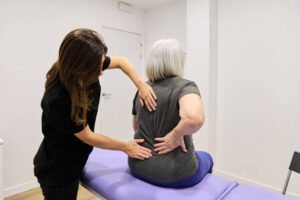
What Happens During a Frozen Shoulder Massage Session
A good therapist will be able to work through many layers of tissue starting with the surrounding musculature (rotator cuff, deltoid, pectorals, upper trapezius) and then working on the joint capsule itself with specific techniques. Some common approaches are:
-
Deep tissue massage: Releases chronic muscle tension and improves local circulation
-
Myofascial release: Targets the fascial restrictions that limit capsular mobility
-
Trigger point therapy: Addresses referred pain patterns from the shoulder into the neck and arm
-
Joint mobilisation: Gradual, guided movement to restore range of motion
When combined with shoulder pain relief massage techniques applied to the neck, chest, and scapular regions, outcomes are notably better than isolated shoulder treatment alone.
How Many Sessions Are Typically Needed?
This depends on the stage of the condition and the duration of symptoms. A standard treatment of 6-10 sessions can result in substantial improvement in the early freezing phase. During the frozen stage, more sessions and guided home exercise are usually required. Your therapist should check in on progress every 3-4 sessions and make adjustments as needed.
Complementary Approaches That Improve Outcomes
Massage works best as part of a broader rehabilitation strategy. Relying on any single intervention — including massage — without addressing the contributing factors is unlikely to deliver lasting results.
| Approach | Role in Recovery | Best Used
|
|---|---|---|
| Massage Therapy | Reduces muscle guarding, improves tissue mobility | Throughout all stages |
| Targeted Exercise | Restores range of motion, builds rotator cuff strength | Frozen and thawing stages |
| Heat Therapy | Prepares tissue before massage or movement | Prior to sessions |
| Postural Correction | Reduces ongoing strain on the shoulder capsule | Ongoing, especially for desk workers |
| Sleep Position Adjustments | Reduces night pain and capsular compression | Throughout all stages |
What to Avoid When You Have Frozen Shoulder
Equally important is knowing what not to do. Many women unknowingly slow their recovery by:
-
Pushing through pain with aggressive stretching before the tissue is ready
-
Completely resting the shoulder and avoiding all movement (this accelerates stiffness)
-
Delaying professional assessment because the pain seems manageable
-
Relying solely on anti-inflammatories without addressing tissue restriction
The shoulder needs movement — but the right movement, at the right intensity, guided by someone who understands where you are in the condition’s progression.
When to Seek Professional Help
If your shoulder stiffness has lasted more than two to three weeks — or if night pain is beginning to affect your sleep — it’s time to get a professional assessment. Earlier intervention means less scar tissue, fewer sessions, and a faster return to full function.
SMC Post Rehab specialises in post-rehabilitation and recovery care, providing customised treatment strategies for conditions such as frozen shoulder. It’s not a one-size-fits-all approach, but care is customised to where you are in the cycle of the condition and what your body specifically needs to move forward.
Frequently Asked Questions
Why do women get frozen shoulder more than men?
During perimenopause in women, especially between 40 and 60 years of age, hormonal changes occur that lead to a decrease in collagen quality and reduced joint lubrication. Such changes predispose the shoulder capsule to inflammation and adhesions. Women also have higher rates of thyroid disease and autoimmune disease both of which are associated with adhesive capsulitis.
Does frozen shoulders massage actually help or just relieve pain temporarily?
A frozen shoulder massage performed by a trained therapist does more than manage pain. It directly works on the fascial and muscular restrictions that limit capsular mobility. Massage therapy, when regular and combined with guided exercise, has been found to significantly decrease the time it takes to recover and regain range of motion at all stages of this condition.
How do I know if I have frozen shoulder or just muscle tension?
Usually, muscle tension responds to rest and stretching within a few days. A frozen shoulder does not. Key distinguishing signs include progressive limitation of movement in multiple directions, nocturnal pain, and stiffness of more than 3 weeks’ duration without clear improvement. The diagnosis will be confirmed by professional assessment.
Can frozen shoulder go away on its own without treatment?
Technically yes — frozen shoulder can self-resolve, but it often takes two to four years without intervention. Treatment significantly shortens this timeline and reduces the severity of the frozen stage. Waiting is rarely the best strategy, especially if the condition is caught early when treatment is most effective.