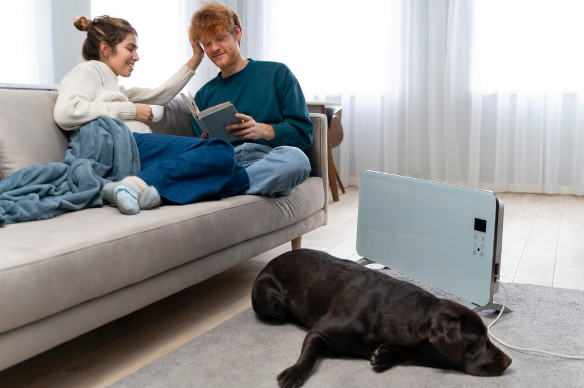
Indoor air conditions create more than just comfort because they generate various effects. The combination of poor air quality, allergies, breathing problems and mould growth creates an ideal environment for allergic reactions, respiratory problems and mould development. People who purchase air purifiers or dehumidifiers to address one issue often discover that additional problems emerge after their purchase.
Airborne particles tend to appear together with high moisture levels in the environment. Your home environment becomes physically uncomfortable because of the dust, mould spores, pet dander and damp air, which also pose health risks. Using an air purifier and dehumidifier will solve both of these problems in an effective manner.
What Does an Air Purifier and Dehumidifier Do?
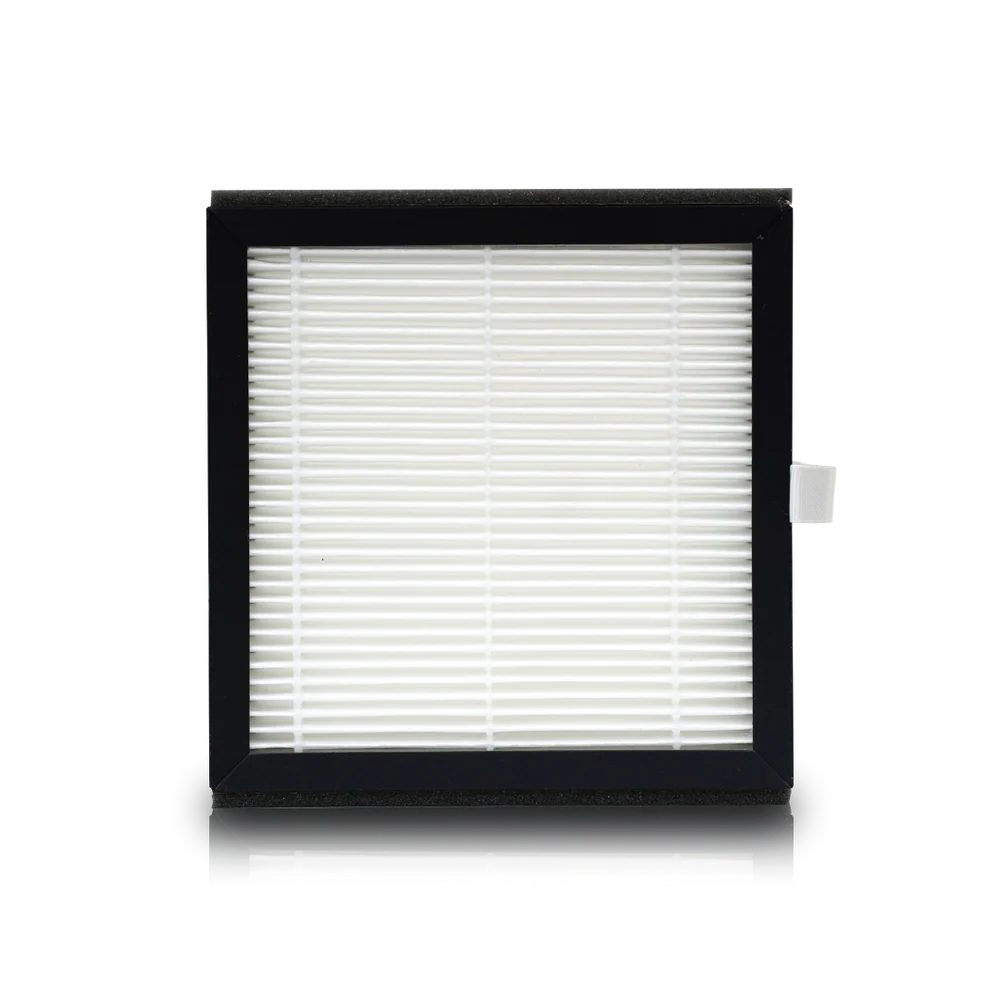
An air purifier operates by drawing air through its HEPA filter, which captures dust, along with pollen, pet dander and smoke particles and bacteria. It cleans what is floating in the air.
A dehumidifier removes excess moisture from the air. The system draws humid air inside to perform cooling, which results in water extraction before it sends dry air back into the space. The system focuses on maintaining conditions which enable mould, dust mites and bacteria to exist.
Why Singapore Homes Need Both
Singapore experiences daily humidity levels which reach between 80 and 90 per cent throughout most days.
High humidity encourages:
- Walls, ceilings, and furniture surfaces become covered with mould
- Dust mite populations to explode
- Musty odours that linger no matter how much you clean
- Bacterial growth in fabrics and carpets
An air purifier alone cannot fix this. The device captures mould spores which have entered the air, but it fails to prevent mould development when moisture remains present.
Benefits of Using an Air Purifier and Dehumidifier Together
Using an air purifier and dehumidifier together helps create a cleaner and healthier indoor environment.
1. Better Indoor Air Quality
People need clean air inside their homes to achieve both comfortable living conditions and maintain their health.
- Captures dust, pollen, and pet dander
- Reduces stale and heavy indoor air
- Creates a fresher living environment
As a result, rooms often feel cleaner and more comfortable throughout the day.
2. Reduced Mould and Mildew Growth
The combination of these two devices works to protect against mould contamination while maintaining better air quality throughout the entire space.
- Lowers indoor humidity levels
- Reduces condensation on walls and windows
- Captures airborne mould spores
Together, they help prevent mould problems before they become serious.
3. Relief from Allergies
Allergens create fast accumulation in residential spaces, which leads to ongoing home irritation.
- Eliminates airborne particles, which include pollen and pet dander
- Reduces dust mite activity by lowering humidity
- Limits exposure to mould spores
Consequently, allergy sufferers may notice fewer symptoms indoors.
4. Improved Respiratory Health
The combination of bad air quality with high moisture levels creates an environment which makes it difficult to breathe comfortably.
- Removes fine dust and smoke particles
- Reduces moisture that encourages mould growth
- Helps lower common respiratory irritants
This can make indoor spaces feel more comfortable for people with breathing sensitivities.
5. Elimination of Musty Odours
Indoor spaces maintain their freshness through the elimination of moisture and floating particles which exist in the air.
- Reduces excess moisture that causes odours
- Captures odour-causing particles
- Improves overall freshness indoors
The result is a cleaner-smelling and more pleasant home environment.
6. Greater Comfort Throughout the Year
Humidity creates an environment where rooms seem hotter than their actual temperature while making them less comfortable.
- Reduces damp and sticky indoor conditions
- Helps maintain balanced humidity levels
- Creates a fresher atmosphere indoors
This makes living spaces feel more pleasant in every season.
7. Protection for Furniture and Belongings
High humidity levels cause destruction to furniture, books and various items which people keep in their homes.
- Wooden furniture warping is prevented by this product
- Reduces mould growth on stored items
- Limits dust accumulation on surfaces
Over time, this can help extend the life of many household belongings.
8. Better Sleep Quality
A clean and comfortable bedroom environment supports better rest. The operation of these two devices together will enhance the air quality which you experience during your sleep.
- Reduces airborne allergens at night
- Controls excess humidity in the bedroom
- Creates a fresher sleeping environment
Many people find it easier to enjoy a more restful night’s sleep.
How to Use Both Devices Effectively
You can operate an air purifier and dehumidifier at their best performance through basic upkeep methods.
Maintain the Right Humidity Level
To avoid moisture buildup, the humidity needs to stay at its recommended range, which prevents the air from becoming excessively dry.
Place the Air Purifier in the Right Room
The bedroom serves as the most suitable spot for most families because it functions as their daily extended presence area.
Run Both Devices Consistently
The system operates continuously to establish permanent indoor condition stability while stopping moisture and allergens from building up again.
Clean and Replace Filters Regularly
Regular cleaning and timely replacement help ensure the device continues to perform at its best.
Air Purifier and Humidifier vs Air Purifier and Dehumidifier
The setup of an air purifier and humidifier operates differently from the system which combines air purifiers with dehumidifiers.
When an Air Purifier and Humidifier Make Sense
A humidifier adds moisture to dry air.
This combination may help when:
- Indoor air feels dry
- Skin becomes irritated
- Dry throat symptoms occur
- Winter heating removes moisture from the air
When an Air Purifier and Dehumidifier Is Better
A dehumidifier removes excess moisture.
This option is usually better when:
- Condensation appears on windows
- Mould is present
- Rooms feel damp
- Musty odours develop
Choosing the right combination depends on your home’s humidity levels and specific air quality concerns.
Conclusion
People can improve their home environment by using air purifiers together with dehumidifiers, which enhance air quality while minimising allergy triggers and preventing mould growth. The two devices work independently to deliver their benefits, but their joint operation eliminates both air pollutants and water accumulation.
Air purifier and dehumidifier will help allergy patients, together with individuals who need to manage moisture issues and remove unpleasant smells from their environment. Homeowners need to evaluate their home’s moisture content along with its air purity requirements before they can develop a proper indoor environment, which will enhance their well-being throughout the year.
Frequently Asked Questions
Can I use an air purifier and a dehumidifier in the same room at the same time?
Yes, and doing so is actually recommended. The system consists of two different units, which perform distinct functions to clean air particles and extract moisture from the environment.
What humidity level should I maintain in a Singapore home?
The ideal indoor humidity levels need to stay between 50% and 60% to achieve perfection. People experience comfort at temperatures between 20°C and 25°C because these conditions prevent mould formation and reduce dust mite presence on surfaces.
Is an air purifier and humidifier the same as an air purifier and dehumidifier?
No, they are opposite approaches. A humidifier adds moisture to the air, while a dehumidifier removes it. A dehumidifier serves as the best solution for Singapore because it experiences high humidity levels.
Do I still need to clean my home if I use both devices?
Yes — regular cleaning remains important. The two devices work to reduce airborne pollutants and moisture, but they fail to eliminate dust which has already accumulated on surfaces. The best results require regular vacuuming and surface wiping, which should be performed with both devices.