

Factory security is no longer just about locking doors at night. Recent reports show that theft, safety breaches, and unauthorised access continue to cost manufacturers thousands of dollars every year.
Many factory owners struggle to monitor large facilities, track staff movement, and protect valuable equipment. Blind spots and outdated systems often leave businesses exposed to risks they could avoid.
The right CCTV system can solve many of these challenges. A well-planned setup helps improve security, supports workplace safety, and gives managers greater visibility across the entire site.
This guide explains how factory CCTV systems work, what features matter most, and how to choose a reliable CCTV camera Singapore supplier for long-term results.
Why Factories Need a Different Approach to CCTV
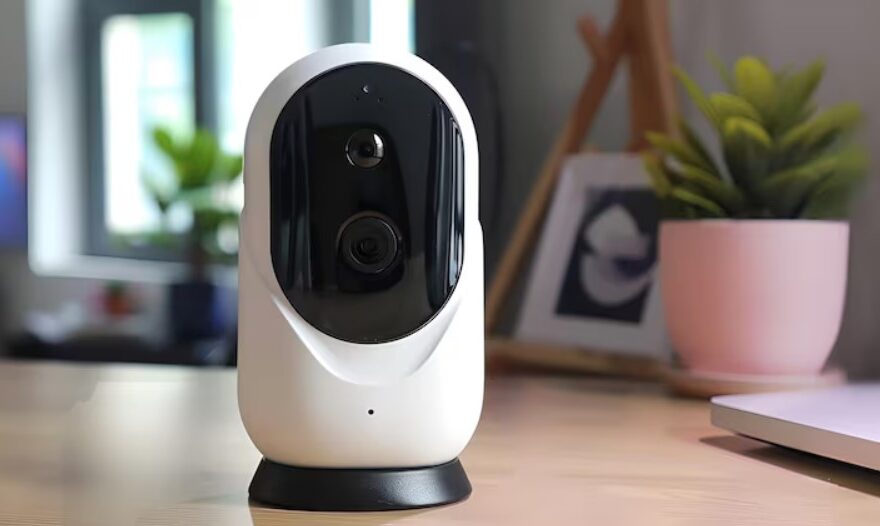
A wireless camera for home in Singapore is very different from a factory CCTV system. The former involves smaller areas with low surveillance requirements, whereas the latter entails vast amounts of space, high ceilings, a difficult environment, and constant hustle of people and machines.
The surveillance in factories also requires covering multiple access points and being in operation continuously, 24/7. This makes the former unsuitable for the latter. This is why specialised equipment is required, as well as a supplier with industrial surveillance experience.
Types of CCTV Cameras That Work in Factories
Different factory areas need different types of CCTV cameras. Choosing the right camera helps improve coverage, image quality, and overall security performance.
Dome Cameras
Dome cameras are a common selection for inside manufacturing plants due to their small size, which reduces the possibility of tampering.
- Wide view for big indoor spaces
- Mounted on the ceiling for subtle surveillance
- Consistent operation in busy workplaces
PTZ Cameras (Pan-Tilt-Zoom)
PTZ cameras have the ability to rotate in more than one direction and zoom into different sections. Thus, PTZ cameras are suitable for covering a bigger area with fewer cameras.
- Remotely controlled pan, tilt, and zoom functions
- Wider coverage from one location
- Detects movement with increased accuracy
Bullet Cameras
Bullet cameras are meant for long-distance viewing and outdoor applications. Most are made to withstand harsh weather conditions and are durable enough.
- Long-distance viewing capability
- Built for outdoor use
- Ease of positioning at perimeters
Thermal Cameras
Thermal cameras operate by detecting heat instead of visible light. They will continue functioning efficiently during night-time, smoke-filled areas, or bad weather.
- Detects motion through thermal signals
- Operates in poor visibility conditions
- Increases safety in hazardous locations
Key Features to Look for in Factory CCTV Systems
A CCTV system installed in a factory must provide more than just recordings of footage. Certain capabilities can be utilised to make sure the CCTV system serves a better purpose for the company.
High-Definition Video Footage
This allows identification of people, cars, and events more effectively. The higher the resolution, the better the detail that will be captured.
Night Vision
Most factories usually have some operations that continue at off-hours. The ability to conduct night vision surveillance comes in handy in this scenario.
Remote Accessibility
It is common for managers to monitor their factory activities while not physically present there. Remote accessibility comes in handy here.
Motion Detection
This allows security personnel to react to any suspicious behaviour quickly. Motion is detected using certain criteria.
Analytics on CCTV Footage
Today’s CCTV technology allows for doing more than just recording video footage. Some systems include video analytics built-in.
What Makes a Good CCTV Camera Singapore Supplier?
Choosing the right provider is just as important as choosing the cameras themselves. A professional CCTV camera Singapore supplier for factories should understand industrial environments and provide solutions that match operational needs.
- Experience in industry: Select a supplier that has worked extensively in factories and other industrial setups. It means that they know what kind of challenges they are going to face.
- Site survey services: A reputable provider will be able to assess your site for blind spots, critical areas, access points, production and storage areas, among others.
- Installation capabilities: A proper installation process is necessary for receiving quality footage and covering all required areas. This also includes installing the camera at the right spot, even if it is a high-end one.
- Technical maintenance services: It is best if the provider also offers support through maintenance services such as software updates, system checks, etc.
Red Flags to Watch Out For
Some companies provide extremely cheap quotations and take shortcuts that are only noticeable after a few months. Beware of:
- No survey of the location was done before providing the quotation (which means guessing about camera placements)
- Consumer-quality cameras passed off as industrial-grade
- No guarantee or a short-term 90-day guarantee for the equipment
- No local repair/maintenance service
- Ambiguous agreements without a clear installation schedule
Low-cost quotations don’t necessarily mean good value. A faulty system when it matters most will cost you a lot more than the initial savings.
Conclusion
Selecting the appropriate surveillance option is more complex than choosing just a handful of cameras. A factory premises, for instance, has specific requirements that make it necessary to consider a lot before settling on a particular surveillance system.
An experienced CCTV camera Singapore supplier should assist in evaluating your situation to come up with the best possible surveillance system. It is important to take into consideration issues such as camera quality, installation site, data storage, and technical support, among other things.
FAQs
What kind of CCTV camera should I choose for a Singapore factory?
For most cases, a suitable solution includes installing dome cameras indoors and bullet or PTZ cameras outdoors, depending on the factory’s space, available lighting, and risk areas.
Can I install wireless cameras in a factory in Singapore?
Installing a wireless system can be done for a smaller-scale and temporary project. It is better to install wired IP CCTV cameras, which are not prone to interference from machinery and concrete structures in factories.
How do I select a CCTV camera supplier for Singapore factories?
Select a supplier that is experienced in working with factories, performs a site survey first before giving quotations, carries trusted and branded cameras backed by warranty in Singapore, and maintains their installed equipment.
For how many days should I store CCTV footage at my factory?
Most factories in Singapore record and save their CCTV footage for 14 to 30 days. If you handle sensitive operations and valuable materials, longer recordings are recommended. Ensure that your NVR storage is capable of saving all your footage based on the number of cameras used.