

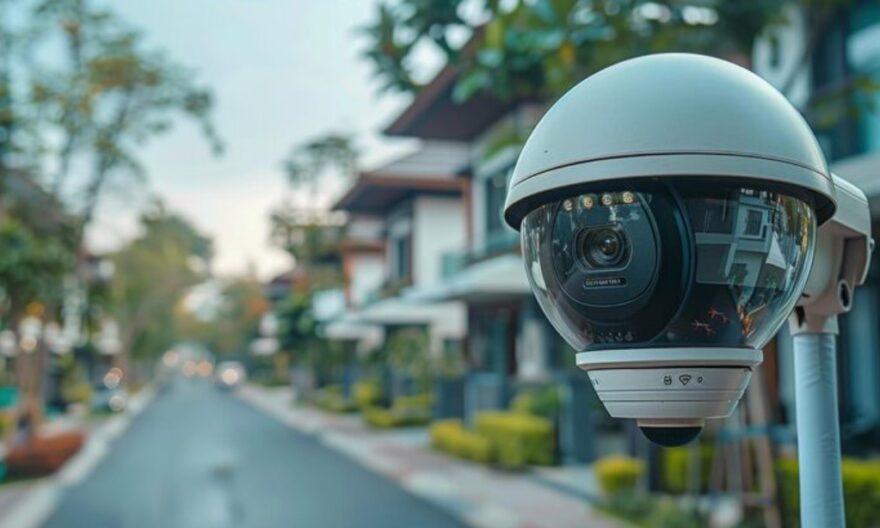
When choosing an outdoor security camera, the right features make the difference between a system that actually protects your home and one that just looks the part. The most important outdoor security camera features to evaluate include night vision capability, AI-powered motion detection, weatherproof ratings, video resolution, and remote monitoring support. Knowing what each feature does — and why it matters — helps you buy with confidence.
Why Feature Selection Matters More Than Brand
Most buyers focus on price or brand recognition. But two cameras at the same price point can perform very differently depending on their core specifications. A camera with poor night vision or no intelligent alerts will generate false alarms, miss real threats, and frustrate you within weeks of installation.
Before you compare models, understand what each feature actually delivers in real-world conditions — especially in Singapore’s climate, where humidity, heavy rain, and low-light environments are everyday realities.
1. Night Vision — See Clearly After Dark
A night vision camera is non-negotiable for outdoor use. Most security incidents happen at night or in low-light conditions, making this one of the most critical specifications to check.
There are two main types to consider:
- Infrared (IR) night vision: Uses IR LEDs to illuminate a scene in darkness. Produces black-and-white footage but works well even in complete darkness.
- Full-colour night vision: Uses a combination of a large image sensor and ambient light (streetlights, porch lights) to produce colour footage at night. Provides more detail for identifying people and vehicles.
Look for cameras with a night vision range of at least 20–30 metres for most residential driveways and gardens. For larger perimeters, 40 metres or more is recommended.
2. AI Motion Detection — Smarter Alerts, Fewer False Alarms
Basic motion detection triggers on anything that moves — a passing car, a stray cat, even swaying branches. AI motion detection changes that entirely.
Cameras with AI motion detection can distinguish between a human, a vehicle, an animal, and irrelevant movement. This means you only get alerted when it actually matters. Some advanced models also support:
- Facial recognition or person detection
- Loitering alerts (when someone lingers near your gate for too long)
- Line-crossing detection
- Intrusion zone alerts
For homeowners in Singapore managing notifications on a mobile app, AI filtering is the difference between useful alerts and notification overload.
3. IP66 Weather Rating — Built for Singapore’s Weather
Singapore receives an average annual rainfall of around 2,165mm, according to the Meteorological Service Singapore. An outdoor camera that isn’t built to handle heavy rain and persistent humidity will degrade quickly — and fail when you need it most.
An IP66 camera offers protection against powerful water jets and dust ingress, making it well-suited for exposed outdoor installations. Here’s a quick breakdown of common IP ratings:
| IP Rating | Dust Protection | Water Protection | Suitable for Outdoors?
|
|---|---|---|---|
| IP44 | Partial | Splashing water | Limited |
| IP65 | Full | Low-pressure jets | Yes |
| IP66 | Full | High-pressure jets | Yes — Recommended |
| IP67 | Full | Temporary submersion | Yes — Heavy exposure |
Always verify the IP rating before purchasing any outdoor CCTV camera in Singapore, especially for areas directly exposed to rain or hose washdowns.
4. Video Resolution — How Much Detail Do You Actually Need?
Resolution determines how clearly you can identify faces, number plates, and specific details from recorded footage. Here’s what each resolution level provides in practice:
- 1080p (Full HD): Adequate for most home installations covering entry points and driveways within 10–15 metres.
- 2K / 4MP: A strong mid-range option offering noticeably sharper detail without a massive storage requirement.
- 4K (8MP): Best for wide-area coverage, large driveways, or commercial property boundaries where you need to zoom into footage without losing clarity.
Higher resolution means larger file sizes. Make sure your storage solution — whether NVR, DVR, or cloud — can handle the data load if you opt for 4K cameras.
5. Wide-Angle Lens and Field of View
A camera with a narrow field of view forces you to install more units to cover the same area. Look for cameras offering at least 90–110 degrees horizontal field of view for general outdoor coverage.
For corner mounting positions — such as the junction of a fence line or building entrance — a wide-angle lens of 120 degrees or more reduces blind spots significantly. Some cameras also offer varifocal lenses, allowing you to adjust the focal length after installation to suit your specific layout.
6. Remote Monitoring and Mobile App Access
The ability to view your camera feed in real time from anywhere is now a standard expectation, not a premium feature. When evaluating an outdoor security camera in Singapore, check for:
- Live view via smartphone app (iOS and Android)
- Two-way audio support
- Push notifications with snapshot previews
- Playback of recorded footage through the app
- Multi-camera dashboard view
Ensure the app doesn’t require a mandatory cloud subscription to access basic live view. Some platforms lock core features behind recurring monthly fees.
7. Storage Options — Local, Cloud, or Hybrid
How your footage is stored affects both security and ongoing cost. The three main options are:
- Local storage (SD card or NVR/DVR): No monthly fees, footage stays on-site. Vulnerable if the device is stolen or damaged.
- Cloud storage: Footage is backed up offsite. Typically subscription-based. Ideal for critical cameras.
- Hybrid: Stores locally with optional cloud backup. Offers the best balance of cost and security.
For most residential setups in Singapore, an NVR-based system with at least 7–14 days of continuous recording provides a practical and cost-effective foundation.
8. Audio Capability — Two-Way Communication and Deterrence
Built-in speakers and microphones allow two-way audio, enabling you to speak with visitors or issue a verbal warning to intruders remotely. Some cameras also include a built-in siren that can be triggered manually or automatically when motion is detected.
This feature is increasingly common even in mid-range outdoor CCTV cameras in Singapore and adds a meaningful layer of active deterrence beyond passive recording.
Quick Feature Checklist Before You Buy
- ✅ Night vision range suitable for your property size
- ✅ AI motion detection with human/vehicle classification
- ✅ IP66 or higher weatherproof rating
- ✅ Resolution appropriate for coverage area and identification needs
- ✅ Wide-angle lens covering key blind spots
- ✅ Stable mobile app with live view and push alerts
- ✅ Storage capacity for at least 7–14 days of footage
- ✅ Two-way audio or built-in siren for active deterrence
Choosing the right outdoor camera isn’t about picking the most expensive model — it’s about matching the right features to your specific environment and risk profile. For homeowners and property managers in Singapore looking for reliable, professionally vetted options, Deep Security offers a curated range of outdoor CCTV solutions built for local conditions, with expert support to help you get the installation right the first time.
Frequently Asked Questions
What is the most important feature in an outdoor security camera?
Night vision and AI motion detection are the most critical features. Night vision ensures clear footage in darkness, while AI detection filters out false alerts by distinguishing people and vehicles from irrelevant movement — making your system both reliable and practical to use daily.
What IP rating should an outdoor CCTV camera in Singapore have?
An IP66 rating is the minimum recommended for outdoor cameras in Singapore. It provides full dust protection and resistance to high-pressure water jets, making it suitable for the country’s heavy rainfall and humid climate year-round.
Is 1080p resolution good enough for outdoor security cameras?
1080p is sufficient for most home entry points and close-range monitoring within 10–15 metres. For wider coverage areas, larger driveways, or situations where number plate identification is important, 2K or 4K resolution delivers noticeably better results.
Do outdoor security cameras work without internet?
Yes, cameras connected to a local NVR or DVR system record continuously without internet access. However, remote viewing, mobile alerts, and cloud backup do require a stable internet connection to function properly.
What is AI motion detection and how does it reduce false alarms?
AI motion detection uses deep learning algorithms to classify moving objects as humans, vehicles, or animals. Unlike basic pixel-change detection, it ignores irrelevant triggers like swaying trees or passing headlights, sending alerts only when a genuine threat is detected.
How many days of footage should an outdoor camera store?
A minimum of 7 days is recommended for residential use, with 14 days being ideal for most properties. This window gives you enough time to review footage following an incident before older recordings are overwritten by the system.