

Tap water is purified with a filtered water dispenser that uses multi-stage filtration and provides clean, delicious water on demand. It’s a practical, health-conscious upgrade for any modern kitchen, removing the need for bottled water, reducing plastic waste for Singapore homeowners, and providing instant access to hot or cold water.
Singapore’s tap water is safe to drink, using standards set by the World Health Organization. But safety and quality are two separate things. The taste and feel of the water that makes it to your glass can still be affected by treatment-grade chlorine, aging pipes, and sediment buildup. A filtered water dispenser is the perfect solution to that problem, delivering not only safe water, but water that is actually clean and pleasant to drink, every day.
What Makes Filtered Water Dispensers Different from Regular Filters?
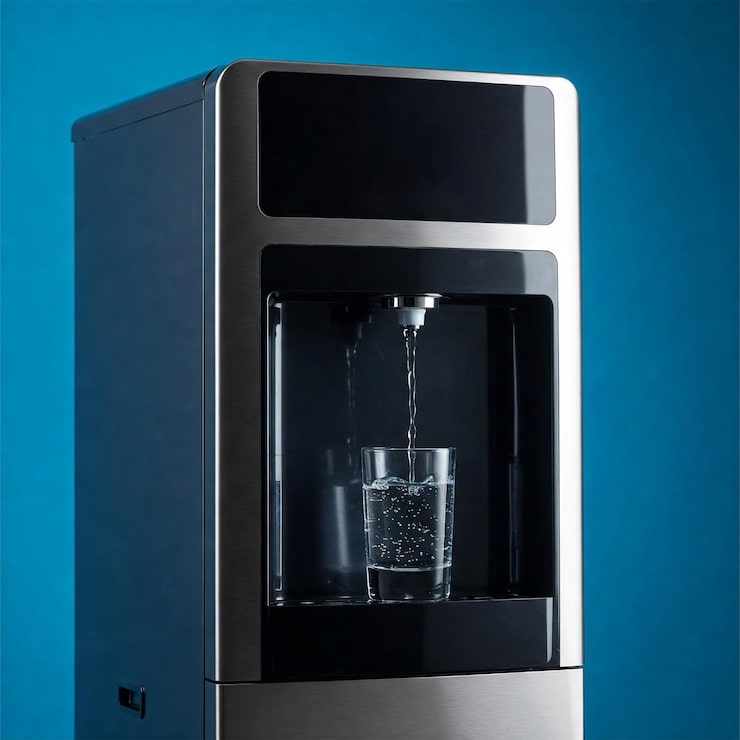
Pitcher filters or under-sink systems work, but they have disadvantages—slow filtration, no temperature control, and inconvenient dispensing. A contemporary filtered water dispenser, available as a countertop or floor-standing unit, combines multi-stage filtration with instant hot and cold output.
The difference is the experience. You get filtered water at the temperature you want, when you want it. And that affects how often people actually drink water at home.
5 Reasons Singapore Homeowners Are Making the Switch
1. Cleaner Water Without the Guesswork
Most filtered dispensers use multi-stage filtration — typically including a sediment pre-filter, activated carbon block, and ultrafiltration or reverse osmosis membrane. This combination removes chlorine, heavy metals, bacteria, and dissolved solids that can affect water quality in older HDB blocks or private condominiums with aging internal pipes.
The result is noticeably cleaner water with a neutral taste — no chlorine aftertaste, no cloudiness.
2. Convenience That Fits Singapore’s Fast-Paced Lifestyle
Making a cup of Milo, brewing green tea, or filling a water bottle before heading to work — these are everyday moments where instant hot or cold water makes a genuine difference. A hot or cold water dispenser at home means no waiting for the kettle, no fumbling with ice trays, and no trips to the fridge mid-cooking.
For families with young children or elderly members, this convenience is more than just comfort — it is a practical safety feature. Many units include child-safety locks on the hot water function, which is especially relevant in Singapore homes where multigenerational living is common.
3. Compact Design Built for Singapore Kitchens
Singapore homes — whether a 3-room HDB flat or a compact condominium unit — have limited kitchen space. This is one of the strongest arguments for a countertop kitchen water dispenser over a bulky under-sink system with a separate tap and tank.
Modern dispensers are designed with a slim footprint, typically under 30cm wide, and can sit neatly on a countertop without dominating the space. Some models are wall-mountable, freeing up counter space entirely.
4. A Genuine Cost Saving Over Time
Singapore households that rely on bottled water spend significantly more over the year than those using a home water filtration system. Consider the numbers:
- A 1.5-litre bottled water costs roughly S$0.80–S$1.50 at supermarkets
- A family of four consuming 2 litres per person daily spends approximately S$700–S$1,400 annually on bottled water
- A quality filtered dispenser with annual filter replacement typically costs S$300–S$600 per year in running costs
The savings become clear within the first year, and they compound with every year after that.
5. Better for the Environment — and That Matters Locally
Singapore generates over 1.3 billion plastic bottles of waste annually, and plastic bottles remain one of the most commonly disposed items in domestic recycling. Switching to a home filtration dispenser directly reduces plastic bottle consumption at the household level — a small change with measurable impact.
The Singapore Green Plan 2030 outlines national goals to reduce waste and improve resource efficiency. Using a filtered water dispenser at home aligns with those goals in a practical, everyday way.
What to Look for When Choosing a Filtered Water Dispenser
Not all dispensers are equal. Here is a quick guide to the features that matter most for Singapore households:
| Feature | Why It Matters | What to Look For |
|---|---|---|
| Filtration Stages | More stages = better contaminant removal | Minimum 3-stage; RO or UF for best results |
| Temperature Options | Versatility for cooking, drinking, and beverages | Ambient, cold, and hot settings |
| Tank Capacity | Affects how often you refill or wait for heating | 3–5 litres for a family of four |
| Filter Lifespan | Determines ongoing maintenance cost | 6–12 months per filter cycle |
| Footprint | Critical for compact Singapore kitchens | Countertop models under 30cm width |
| Certifications | Validates performance and safety claims | NSF, WQA, or Singapore-applicable standards |
Is a Filtered Water Dispenser Suitable for HDB Flats?
Yes — and it is arguably more valuable in HDB flats than in landed properties. Older HDB buildings, particularly those built before the 1990s, may have galvanised iron pipes that can introduce rust and sediment into the water supply. Even in newer blocks, water passes through shared building infrastructure before reaching your unit.
A countertop dispenser with built-in filtration requires no plumbing modifications, no drilling, and no HDB approval. You simply connect it to your existing tap via a diverter valve, and it is ready to use.
How Home Water Filtration Supports Daily Health Goals
The Health Promotion Board of Singapore recommends that adults drink at least 8 glasses of water per day. Yet many people fall short — not because they forget, but because the water available to them at home does not taste appealing enough to drink consistently.
Filtered water consistently scores higher in taste preference compared to unfiltered tap water. When the water at home tastes clean and is available at the right temperature instantly, people drink more of it. That is not a minor detail — it is a meaningful shift in daily hydration habits.
Children and elderly family members benefit the most. Cleaner-tasting water makes it easier to hit daily intake targets, reduces dependence on sugary drinks as a substitute, and supports overall wellness at home.
Where Amglow Fits In
If you are evaluating options for your home, Amglow offers a range of filtered water dispensers designed specifically for Singapore living — slim profiles, multi-stage filtration, and hot-and-cold functionality built for compact kitchens. Their products reflect an understanding of what Singapore homeowners actually need: reliable filtration, practical design, and easy maintenance without the clutter.
Switching to a filtered water dispenser is not a luxury decision. For Singapore homes, it is a practical one — better water quality, less plastic waste, real cost savings, and a daily routine that supports healthier hydration. The upgrade pays for itself faster than most people expect.
Frequently Asked Questions
Is Singapore tap water safe to drink without filtration?
Yes, Singapore’s tap water is safe to drink and meets the drinking water standards set by the World Health Organization (WHO), as regulated by PUB. However, older infrastructure can have building pipes and sediment that can affect water quality, so many homeowners opt for home water filtration for better taste and peace of mind.
What is the difference between a hot cold water dispenser and a regular water filter?
A hot-cold water dispenser has instant temperature control and filtration for filtered water at hot, cold, and ambient settings when needed. Standard filters only clean the water and do not have a temperature function. Dispensers are more versatile and more comfortable in everyday use in the household.
How often do I need to replace the filter in a filtered water dispenser?
Most filters have to be replaced every 6-12 months depending on use and water quality. Regular replacement helps to keep the filtration system effective, and your water quality will remain consistently high throughout the year.
Can I install a kitchen water dispenser in an HDB flat without renovation?
“Yes. Most kitchen water dispensers that sit on the counter connect to your existing tap with a simple diverter valve – no plumbing changes, drilling or HDB approval needed. It takes less than 30 minutes to install, and no permanent changes to your flat are required.
How much does it cost to run a filtered water dispenser in Singapore?
Operating costs generally include annual replacement of the filters (S100–S250) and the cost of electricity for heating and cooling. The total running cost per year is between S300-S600, which is much less than most families in Singapore spend on bottled water every year.
What filtration technology is best for Singapore homes?
The most complete purification is provided by multi-stage filtration, which includes a sediment filter, activated carbon, and an ultrafiltration or reverse osmosis membrane. Effective Removal of a Combination of Chlorine, Heavy Metals and Bacteria – The most common water quality concerns in Singapore residential properties are effectively removed with this combination.