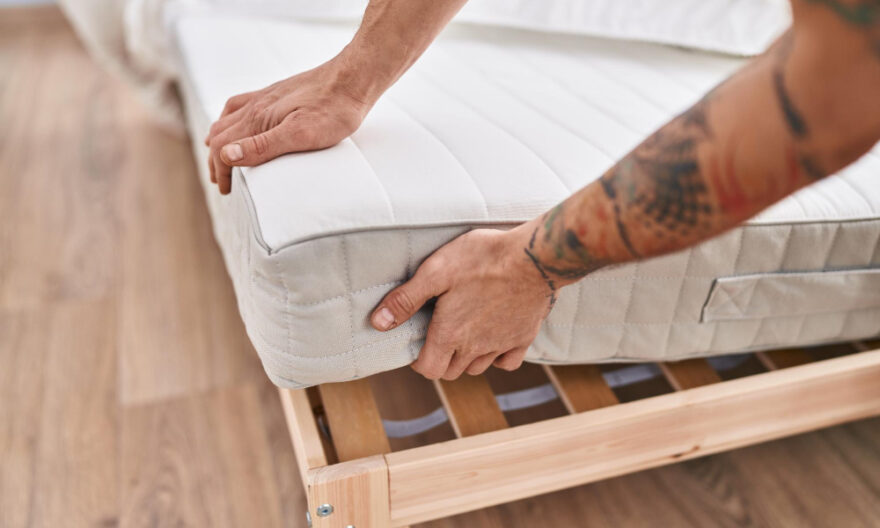
We spend roughly a third of our lives asleep, yet most of us give far more thought to choosing a phone or a pair of shoes than to the mattress we lie on every single night. In humid, fast-paced Singapore, where many people already struggle with irregular sleep schedules and warm nights, the right mattress can make an outsized difference to how rested and how healthy you actually feel.
A mattress that’s too soft, too firm, too old, or simply wrong for your sleeping style can lead to tossing and turning, morning back pain, and sleep that never quite feels restorative. On the other hand, a well-matched mattress supports your spine properly, regulates temperature, and helps you fall into deeper, more restful sleep cycles. This guide breaks down everything you need to know from firmness levels and materials to sleep positions and lifespan so you can make a confident, informed decision the next time you’re mattress shopping.
1. Why Your Mattress Matters More Than You Think
Sleep quality isn’t just about how many hours you spend in bed it’s about how effectively your body can move through deep, restorative sleep cycles. A mattress that doesn’t properly support your spine forces your muscles to stay slightly tense throughout the night, even if you’re not consciously aware of it. Over time, this can contribute to chronic back and neck pain, restless sleep, and daytime fatigue.
Sleep researchers generally agree that mattress quality is one of the most controllable factors affecting sleep quality, alongside room temperature and light exposure. Unlike your work schedule or stress levels, your mattress is something you can directly change and the effects are often noticeable within just a few nights of switching to a properly supportive one.
This matters even more in a place like Singapore, where long commutes, demanding work culture, and warm, humid nights already put pressure on sleep quality. Small inefficiencies in your sleep environment an unsupportive mattress, a room that’s too warm, or an old, lumpy pillow tend to compound over weeks and months into a level of chronic tiredness that many people simply accept as normal, without realising how much of it is fixable.
2. Understand Mattress Firmness Levels
Mattress firmness is typically rated on a scale, ranging from soft to extra firm. Soft mattresses contour closely to the body and are often preferred by side sleepers and lighter individuals, since they cushion the shoulders and hips. Medium-firm mattresses are the most popular overall choice, offering a balance of support and cushioning suitable for back sleepers and combination sleepers.
Firm mattresses provide the most support and are often recommended for stomach sleepers or heavier individuals, since they prevent the hips from sinking too deeply and misaligning the spine. It’s worth noting that ‘firmness’ and ‘support’ aren’t the same thing a mattress can be firm to the touch but still lack proper support if the internal structure is poor quality, so firmness alone shouldn’t be your only consideration.
3. Match the Mattress to Your Sleeping Position
Your dominant sleep position has a big impact on which mattress will feel comfortable. Side sleepers generally benefit from a slightly softer mattress that cushions the shoulder and hip while keeping the spine aligned. Back sleepers usually do best with medium-firm support that keeps the lower back from sinking too far. Stomach sleepers typically need a firmer surface to prevent the midsection from dipping, which can strain the lower back over time.
If you’re a combination sleeper who shifts positions throughout the night which describes most people a medium-firm mattress with responsive materials that adjust quickly as you move is usually the safest, most versatile choice.
4. Compare Mattress Materials: Memory Foam, Latex, Innerspring, and Hybrid
Memory foam mattresses contour closely to the body and are excellent at relieving pressure points, though some older foam models can retain heat, which matters in Singapore’s warm climate look for gel-infused or open-cell foam variants designed for better breathability.
Latex mattresses offer a more responsive, slightly bouncier feel than memory foam, along with naturally better airflow and durability. They tend to be a good middle-ground option for people who want contouring support without feeling like they’re sinking in.
Innerspring mattresses use a system of coils for support and are generally more breathable and often more affordable, though they may offer less targeted pressure relief compared to foam or latex. Hybrid mattresses combine coils with a foam or latex comfort layer, aiming to offer the best of both supportive bounce plus contouring comfort and have become increasingly popular for exactly this reason.
5. Consider Mattress Size and Your Room Layout
Mattress size is about more than personal preference it also needs to fit realistically within your bedroom and bed frame. A queen-size mattress is one of the most popular choices for Singapore households, offering generous sleeping space for couples while still fitting comfortably within standard HDB and condo bedroom dimensions.
Before choosing a size, measure your room with the bed frame, wardrobe, and walkway space all accounted for — not just the mattress alone. It’s also worth checking your bed frame’s compatible mattress dimensions, since not all frames accommodate every size without modification. Many homeowners looking to upgrade explore a dedicated queen size mattress Singapore range to compare thickness, firmness, and material options side by side before deciding.
Ready to Upgrade to a Better Night’s Sleep?Browse Modena’s range of queen size mattresses, designed with Singapore’s climate and comfort needs in mind. |
If you’re replacing an old mattress on an existing frame, double-check the frame’s internal dimensions first mattresses that are even a few centimetres off can shift or fail to sit properly, undermining the very support you’re trying to improve.
6. Pay Attention to Temperature Regulation
Singapore’s warm, humid climate makes temperature regulation an especially important mattress feature. Traditional memory foam can trap body heat, leading to uncomfortable, sweaty nights. Look for mattresses with cooling gel infusions, open-cell foam structures, or breathable covers made from moisture-wicking fabric.
Latex and hybrid mattresses generally sleep cooler than traditional all-foam designs due to their more open internal structure, which allows better airflow. If night sweats or overheating are a recurring issue for you, prioritising a mattress’s breathability may matter just as much as its firmness.
7. Know When It’s Time to Replace Your Mattress
Most mattresses have a functional lifespan of around 7 to 10 years, though this varies depending on material quality and usage. Signs that it’s time for a replacement include visible sagging or indentations, waking up with stiffness or pain that improves once you’re up and moving, or noticing that your mattress feels noticeably less supportive than it did a few years ago.
An old, worn mattress doesn’t just affect comfort it can actively undermine your sleep quality and spinal alignment over time, even if the decline has been so gradual you haven’t consciously noticed it.
8. Test Before You Commit
Whenever possible, lie down on a mattress for at least 10-15 minutes in your typical sleep position before purchasing. A quick press with your hand tells you very little about how a mattress will actually feel after a full night’s rest. Many retailers also offer trial periods, which are worth taking advantage of, since a mattress that feels fine after a few minutes in a showroom can feel quite different after a full week of regular use.
If you’re shopping online, look for clear product descriptions covering firmness level, material composition, and height, and don’t hesitate to reach out to the retailer with specific questions about your sleep position or any recurring back or neck discomfort.
9. Don’t Overlook Your Pillow and Mattress Protector
A great mattress can still be undermined by the wrong pillow. Your pillow should keep your neck aligned with your spine, which differs depending on whether you sleep on your side, back, or stomach. It’s worth reassessing your pillow at the same time you upgrade your mattress, rather than treating them as separate decisions.
A quality mattress protector is also a worthwhile investment it guards against spills, dust mites, and general wear, helping your new mattress maintain its support and hygiene for longer, especially in Singapore’s humid conditions.
10. Build Better Sleep Habits Around Your New Mattress
Even the best mattress can’t fully compensate for poor sleep habits. Try to keep a consistent sleep and wake schedule, even on weekends, since irregular timing can disrupt your body’s natural sleep-wake cycle. Limiting screen time in the hour before bed also helps, as the blue light from phones and laptops can delay the release of melatonin, the hormone that signals your body it’s time to sleep.
Keeping your bedroom cool, dark, and quiet also supports better rest consider blackout curtains or an eye mask if streetlight or early morning sun is an issue, and a fan or air-con timer if temperature is a recurring problem during Singapore’s humid nights.
How Often Should You Actually Reassess Your Sleep Setup?
It’s worth doing a quick sleep ‘audit’ roughly once a year noting whether you’re waking up with stiffness, whether your mattress shows visible wear, and whether your current firmness still feels right. Bodies change over time due to weight fluctuations, injuries, or ageing, and a mattress that was perfect five years ago may no longer suit you as well today.
This doesn’t necessarily mean replacing your mattress annually, but it does mean staying attentive rather than assuming your original purchase will remain the right fit indefinitely. Small adjustments, like adding a mattress topper or switching pillows, can sometimes extend the comfortable life of an existing mattress before a full replacement becomes necessary.
Conclusion
Choosing the right mattress isn’t about finding the most expensive option or the one with the flashiest marketing it’s about understanding your own body, sleep position, and environment, then matching those needs to the right firmness, material, and size. Take the time to test properly, consider Singapore’s climate when it comes to breathability, and don’t be afraid to reassess your current mattress if it’s been serving you for close to a decade. A better night’s sleep starts with the surface you’re lying on.
Pair your new mattress with consistent sleep habits a steady schedule, a cool and dark room, and limited screen time before bed and you’ll likely notice the difference within the first week or two. Good sleep compounds over time, affecting everything from mood and focus to long-term health, which makes this one investment well worth getting right.
Frequently Asked Questions
How often should I replace my mattress?
Most mattresses last around 7 to 10 years, depending on material quality and usage. If you notice visible sagging, reduced support, or waking up with stiffness that improves once you’re moving around, it’s a good sign your mattress needs replacing.
What’s the best mattress firmness for back pain?
A medium-firm mattress is generally recommended for people with back pain, as it offers enough support to keep the spine aligned while still cushioning pressure points. However, the ideal firmness can vary depending on your sleeping position and body weight.
Is memory foam or latex better for Singapore’s climate?
Latex generally sleeps cooler than traditional memory foam due to its more breathable, open structure, making it a popular choice in Singapore’s warm and humid climate. Gel-infused or open-cell memory foam variants can also help if you prefer the classic foam feel.
What mattress size is best for couples in Singapore?
A queen-size mattress is one of the most popular choices for couples in Singapore, offering generous sleeping space while still fitting comfortably within standard HDB and condo bedroom layouts.
How long should I test a mattress before deciding?
Lie down for at least 10-15 minutes in your typical sleep position when testing in-store. If shopping online, take advantage of any trial period offered, since a mattress often feels different after a full night’s sleep compared to a brief showroom test.