


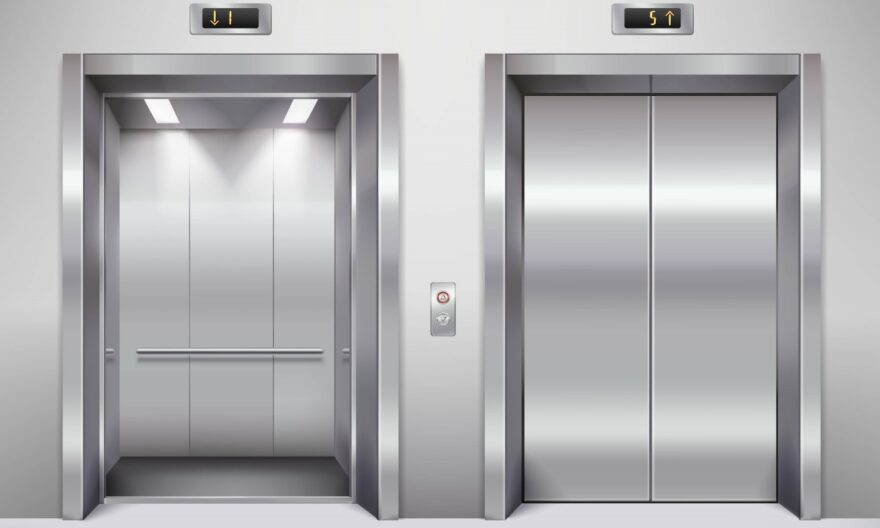
A platform lift is a vertical or inclined lifting device for moving individuals between floor levels, including persons who use wheelchairs and people with restricted mobility. Platform lifts are far easier to install than standard elevators and require no structural adjustments, making them a great option for homes and businesses alike. They are commonly utilized in Singapore to fulfilll accessibility requirements under the Building and Construction Authority (BCA) rules.
What Is a Platform Lift?
A platform lift is a powered lifting system that transports people vertically, typically over shorter travel distances. It consists of an open or enclosed platform, a drive mechanism, safety sensors, and control panels. Most units operate on standard electrical connections and do not require a dedicated machine room.
Platform lifts differ from conventional passenger lifts in a few key ways:
- Lower travel height (usually up to 3 metres for unenclosed models)
- No shaft or pit construction required in many configurations
- Faster installation with less civil work
- More cost-effective for single or double-storey level changes
Types of Platform Lifts Available in Singapore
Vertical Platform Lift
A vertical platform lift moves vertically on a mast or column framework. This is the most frequent variety utilized in Singapore for household & commercial installations. Travel heights are normally between 300 mm and 3,000 mm, making them ideal for raised entrances, split-level dwellings and multi-storey shophouses.
These lifts are tiny and can be put indoors or outdoors and are commonly seen in HDB estates, bungalows and semi-detached residences where full elevator installation isn’t practicable.
Wheelchair Platform Lift
A wheelchair platform lift is designed specifically for secure wheelchair user access. The platform is of sufficient width to accommodate a regular or motorized wheelchair, often 800mm x 1,200mm or greater. These lifts come as standard with anti-slip flooring, folding safety ramps and obstacle sensors.
Wheelchair platform lifts are often provided at building entrances, stage platforms and between floors in schools, clinics, houses of worship and other buildings in Singapore.
Accessibility Lift for Low-Rise Applications
An accessibility lift covers shorter travel distances — typically a single step, raised platform, or half-floor change. These are popular in conservation shophouses and heritage buildings where structural alterations are restricted. They offer a non-invasive solution to compliance without compromising the building’s original architecture.
Where Are Platform Lifts Used in Singapore?
Platform lifts serve a wide range of environments. Here is a breakdown by setting:
| Setting | Common Use Case | Typical Lift Type
|
|---|---|---|
| Residential homes | Access between floors for elderly or mobility-impaired residents | Vertical platform lift |
| Commercial buildings | BCA accessibility compliance at entrances and counters | Wheelchair platform lift |
| Schools and institutions | Stage and multi-level access for students with disabilities | Vertical or accessibility lift |
| Retail and F&B outlets | Entry ramp alternatives for step-access shopfronts | Accessibility lift |
| Places of worship | Access to altar areas, balconies, and upper halls | Vertical platform lift |
BCA Accessibility Requirements in Singapore
Singapore’s Building and Construction Authority (BCA) mandates accessibility provisions for new and existing buildings under the Code on Accessibility in the Built Environment. For buildings undergoing additions and alterations (A&A works), accessible routes — including lifts or ramps — must be provided where level changes exist.
Platform lifts are a recognised solution under these guidelines, particularly for low-rise level changes where a full passenger lift would be disproportionate to the scale of works. The BCA’s Accessibility Fund has also supported eligible building owners in upgrading their premises — making this a practical and financially supported route for many businesses in Singapore.
How Does a Platform Lift Work?
Most modern platform lifts use one of three drive systems:
- Screw and nut drive: A motorised screw column rotates to raise or lower the platform. Quiet, reliable, and low-maintenance.
- Hydraulic drive: A hydraulic pump and cylinder move the platform. Smooth operation, commonly used for heavier load requirements.
- Electromechanical rack and pinion: A motor drives a pinion gear along a fixed rack. Good for longer travel heights and outdoor installations.
All types include safety features such as upper and lower limit switches, emergency stop buttons, overload sensors, and non-skid platform surfaces. In Singapore’s humidity, corrosion-resistant materials and weatherproof ratings (IP55 or higher) are important for outdoor units.
Key Factors to Consider Before Installing a Platform Lift
Space and Structural Requirements
Vertical platform lifts are compact but still require a defined footprint. Measure available floor space carefully. Some models need a shallow pit (as little as 50mm), while others are pit-free. Ceiling height also affects the maximum travel distance of the unit.
Load Capacity
Standard platform lifts carry between 250kg and 400kg. If the lift will accommodate a motorised wheelchair or multiple users, confirm the load rating before selection. Heavier-duty models are available for commercial or institutional use.
Indoor vs. Outdoor Use
Outdoor installations require weatherproofing, UV-resistant materials, and corrosion protection — especially relevant in Singapore’s tropical climate. Check that the product specification includes an appropriate IP rating and that the drive mechanism is suited to exposure to rain and humidity.
Compliance and Certification
Ensure the lift model complies with Singapore’s relevant standards and BCA accessibility code requirements. For commercial installations, a licensed professional engineer (PE) endorsement may be required as part of the submission process.
Maintenance and Servicing in Singapore
Platform lifts require periodic servicing to maintain safety and performance. A typical maintenance schedule includes:
- Six-monthly inspection of mechanical components and safety sensors
- Annual lubrication of the drive mechanism
- Regular cleaning of platform surfaces and guide rails
- Battery backup testing for units with emergency lowering features
Many suppliers in Singapore offer annual maintenance contracts. It is worth confirming response times for emergency call-outs, availability of spare parts locally, and whether the service team is trained on your specific lift model.
Choosing the Right Platform Lift Supplier
When evaluating suppliers in Singapore, look beyond price alone. Key considerations include product range breadth (covering both standard and customised solutions), after-sales service, local technical support, and familiarity with BCA submission requirements.
Asiateck has been supplying and installing vertical platform lifts and accessibility solutions in Singapore across residential, commercial, and institutional projects. Their team provides end-to-end support from site assessment to installation and ongoing maintenance.
Frequently Asked Questions
What is the difference between a platform lift and a passenger lift?
A platform lift is designed for shorter travel distances and requires minimal structural work, making it suitable for home and low-rise commercial use. A passenger lift is a fully enclosed elevator designed for multi-storey buildings with a dedicated shaft and machine room.
Do platform lifts require a permit in Singapore?
For commercial installations, a submission to the relevant authority and PE endorsement is typically required. Residential installations have fewer regulatory requirements, but it is advisable to confirm with your supplier and consult BCA guidelines before proceeding.
How much does a platform lift cost in Singapore?
Costs vary depending on lift type, travel height, load capacity, and customisation. Basic vertical platform lifts for residential use generally start from a few thousand dollars, while commercial-grade units with full enclosures and longer travel heights are priced higher.
Can a platform lift be installed outdoors in Singapore?
Yes. Many platform lift models are rated for outdoor use and are built with weatherproofing suitable for Singapore’s tropical climate. Ensure the unit has an appropriate IP rating and corrosion-resistant materials before specifying for an outdoor location.
How long does installation take?
Most platform lift installations take one to three days depending on site conditions and whether any civil work is required. Pit-free models with self-supporting structures typically have shorter installation timelines compared to models requiring structural modifications.
Are platform lifts suitable for elderly users at home?
Yes. Platform lifts are one of the most practical home accessibility solutions for elderly residents in Singapore, particularly in landed properties with split-level layouts. They are easy to operate, require no climbing, and can be fitted with handrails and non-slip surfaces for added safety.