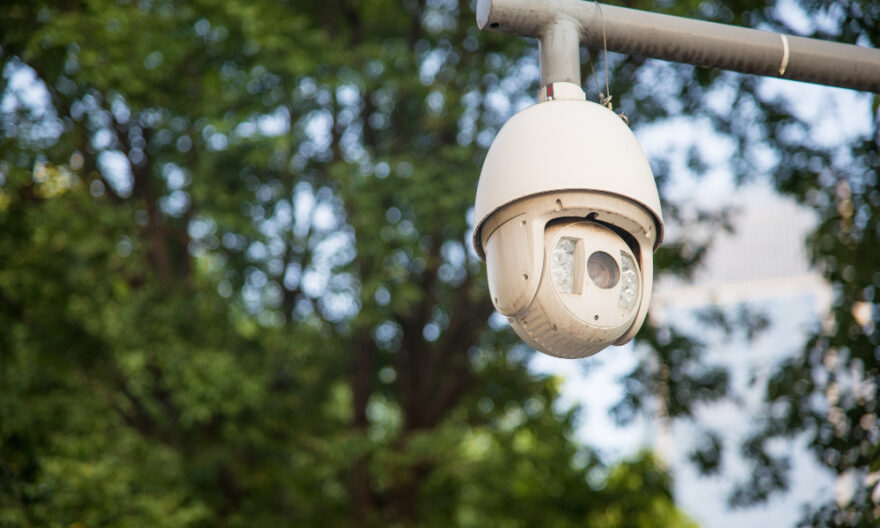
A security system is a comprehensive, multi-layered solution that includes alarms, access control, motion sensors, intercoms, and CCTV cameras. A CCTV system is a single component within that broader setup — it captures and records video footage. CCTV alone cannot detect intrusions, trigger alerts, or control access. A complete security system integrates multiple technologies to detect, deter, and respond to threats.
Why So Many People Confuse the Two
It is easy to see why. CCTV cameras are the most visible part of any security setup, so many homeowners and business owners assume that installing cameras means their premises are fully protected. In Singapore, this misconception is especially common as demand for security system Singapore solutions has grown sharply alongside rising property development and commercial activity.
But visibility is not the same as protection. A camera records what happens. A security system acts on what happens.
What Is a CCTV System?
CCTV stands for Closed-Circuit Television. A CCTV system in Singapore typically consists of cameras, a Digital Video Recorder (DVR) or Network Video Recorder (NVR), and a monitor or remote viewing app. Its primary function is surveillance — capturing footage of a space for review during or after an incident.
Modern security cameras in Singapore have evolved significantly. IP cameras now offer high-definition resolution, night vision, wide-angle coverage, and remote access via mobile apps. Some support AI-based features like facial recognition or licence plate detection.
What CCTV does well:
- Provides visual evidence after an incident
- Acts as a visible deterrent to opportunistic crime
- Enables remote monitoring of your premises
- Supports post-incident investigations by authorities
What CCTV cannot do on its own:
- Trigger an alarm when a breach occurs
- Restrict or control who enters a building
- Alert you in real time to a threat in progress
- Integrate with fire or emergency response systems
What Is a Complete Security System?
A security system is an integrated network of technologies designed to protect people and property across multiple layers. Think of it as a coordinated response plan, where each component plays a distinct role.
A typical surveillance system in Singapore for residential or commercial use may include:
- CCTV cameras — for visual monitoring and recording
- Alarm systems — triggered by motion, door/window sensors, or glass break detectors
- Access control systems — card readers, biometrics, or PIN entry to restrict entry
- Intercom and video door phone — to screen visitors before granting access
- Motion sensors and perimeter detection — for outdoor or after-hours protection
- Central monitoring — 24/7 monitoring by a security operations centre
Each layer addresses a different vulnerability. Together, they form a system that detects threats early, slows down intruders, alerts the right people, and provides evidence for follow-up.
Security System vs CCTV: Side-by-Side Comparison
| Feature | CCTV System | Complete Security System
|
|---|---|---|
| Video surveillance | ✅ Yes | ✅ Yes (included) |
| Real-time alerts | ❌ No | ✅ Yes |
| Intrusion detection | ❌ No | ✅ Yes |
| Access control | ❌ No | ✅ Yes |
| Alarm activation | ❌ No | ✅ Yes |
| Remote monitoring | ✅ Partial | ✅ Full |
| Fire/emergency integration | ❌ No | ✅ Yes (advanced setups) |
| Suitable for HDB/condo homes | ✅ Yes | ✅ Yes |
| Suitable for commercial premises | ⚠️ Limited | ✅ Recommended |
Which One Do You Actually Need in Singapore?
For Homeowners
If you live in an HDB flat or condominium, a CCTV camera at the main entrance combined with a video door phone may be sufficient for basic peace of mind. However, landed property owners — especially those with larger perimeters — benefit significantly from a full security system that includes motion detection, alarm systems, and access control.
According to the Singapore Police Force (SPF), housebreaking and related property crimes remain a concern, and the SPF actively encourages residents to install alarm systems as part of their crime prevention advisory.
For Businesses
Commercial properties have more complex needs. Retail stores, offices, warehouses, and F&B outlets all face different risk profiles — employee access management, after-hours intrusion, cash handling, and inventory theft are real operational concerns. A standalone CCTV system in Singapore addresses only the evidence side of the equation.
For businesses, a complete system that integrates access control, alarm monitoring, and video analytics is not just a security upgrade — it often becomes a compliance and insurance requirement as well.
The Right Approach: Use CCTV as Part of a Layered Strategy
The most effective security setups treat CCTV as one layer, not the whole answer. A camera covering your main door is useful. But if an intruder enters through a side window and your alarm does not trigger, the footage only helps after the damage is done.
Layered security works because it forces any threat to overcome multiple obstacles. Each barrier — physical, electronic, visual — reduces the chance of a successful breach and increases the chance of early detection.
When assessing your needs, consider:
- How many entry and exit points does your property have?
- Are there blind spots not covered by cameras?
- Do you need to control who accesses certain areas?
- Is someone actively monitoring your cameras, or is footage only reviewed after an incident?
- Do you need to meet any regulatory or tenancy requirements for security?
Deep Security provides integrated security solutions in Singapore for both residential and commercial clients — combining CCTV systems, alarm systems, access control, and ongoing monitoring into a single, managed setup. Whether you are protecting a family home or a multi-floor commercial space, the right system should be designed around your actual risk, not just your budget.
Frequently Asked Questions
Is CCTV considered a security system?
CCTV is one component of a security system, not a complete solution on its own. A full security system also includes alarm systems, access control, and motion detection. CCTV provides visual evidence and deterrence, but it cannot detect intrusions or trigger alerts without being integrated into a broader setup.
Do I need a security system if I already have CCTV cameras installed?
Yes. CCTV cameras record activity but cannot respond to threats in real time. Adding alarm sensors, access control, and monitoring services creates a complete security layer. For landed homes and commercial premises in Singapore, this integrated approach is strongly recommended for effective protection.
What is the best security system for homes in Singapore?
The best home security system in Singapore combines IP CCTV cameras, a video door phone, door and window sensors, and a monitored alarm system. Landed property owners may also benefit from perimeter detection. The right setup depends on your property type, entry points, and specific risk profile.
Are there regulations in Singapore governing CCTV installation?
In Singapore, the Personal Data Protection Act (PDPA) governs how CCTV footage is collected, stored, and used, particularly for businesses. Cameras must not be pointed into private spaces, and data retention policies must be in place. Commercial operators should ensure their CCTV deployment complies with PDPC guidelines.
What is the difference between IP cameras and traditional CCTV?
Traditional CCTV uses analogue cameras connected via coaxial cables to a DVR. IP cameras transmit digital footage over a network to an NVR, offering higher resolution, remote access, and smarter features like motion alerts and AI analytics. Most modern security camera installations in Singapore now use IP-based systems.
How much does a security system cost in Singapore?
Costs vary based on system complexity. A basic CCTV setup for a home starts from a few hundred dollars, while a full integrated security system for commercial premises can range from several thousand dollars upward. Professional installation, equipment quality, and ongoing monitoring contracts all affect the total investment.