

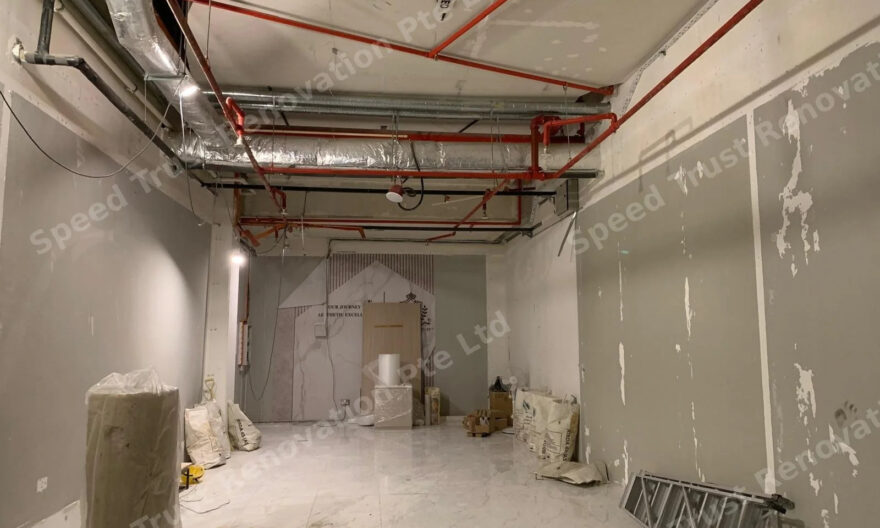
What is reinstatement cost in Singapore? To understand reinstatement costs in Singapore, you need to first know what you are paying for. Reinstatement work is the work of returning a rented commercial space to its original condition before the lease expires. Costs typically range between SGD 3 and SGD 10 per square foot, depending on scope, materials used and experience of the contractor. The right contractor will impact your final bill, timeline and landlord approval.
What Is Involved in Reinstatement Work?
Reinstatement is more than just painting walls and moving furniture. Includes the full restoration of all modifications carried out by the tenant, such as false ceilings, partition walls, flooring finishes, electrical points, plumbing fixtures, air-conditioning systems and signage. The scope is determined by your lease agreement and the original condition report provided by the landlord at handover.
In Singapore, most commercial leases require tenants to restore the premises to a bare shell condition. If this standard is not met the landlords can withhold the security deposit or charge for any outstanding work separately. This is why it is important to scope the reinstatement properly before work starts.
Why Selecting the Right Contractor Matters
Not all renovation contractors are set up for reinstatement projects. You must know the standards for compliance with the Building and Construction Authority (BCA), the HDB and URA guidelines for commercial units, and the particular landlord requirements for different types of buildings in Singapore to be reinstated.
A contractor who understands these requirements will produce works that pass the landlord’s inspection on first submission, saving you time, penalty charges and rework cost. Someone who doesn’t can create work that looks finished but doesn’t pass technical checks.
How to assess a reinstatement contractor in Singapore
1. Check Relevant Experience
Ask them directly, how many commercial reinstatement projects have they done in the last 12 months? The contractor who does a little reinstatement and a little renovation work is very different from the contractor who specialises in it.
Specialist contractors know the particular documentation, phasing and landlord submission processes that general contractors often miss.
Ask for a portfolio of completed commercial restorations, preferably in your type of building – office, retail, F&B or industrial. There are different expectations of compliance and landlord standards for each category.
2. Ask for a detailed, itemised quotation
Transparent pricing is one of the clearest signs you can trust a contractor. A trustworthy reinstatement contractor in Singapore will itemise costs by work category – demolition, disposal, ceiling works, floor restoration, electrical removal and touch-up painting – rather than giving a lump-sum figure.
When a project comes up with extra fees , vague quotes leave the door open for conflict . An itemised quotation allows you to compare the scope with your lease and ensure that nothing is missed or double-billed.
| Work Item | What It Should Include | Watch Out For
|
|---|---|---|
| Demolition & Hacking | Partition walls, false ceilings, flooring overlays | Disposal fees excluded from quote |
| Electrical Reinstatement | Removal of tenant wiring, restoration to DB board | Licensed electrician not stated |
| Plumbing Removal | Capping off tenant-installed points | No mention of leak testing |
| Floor Restoration | Screed patching or original tile reinstatement | Cosmetic patching only, not full restoration |
| Painting & Touch-Up | Full coat to original specification | Spot touch-up passed off as full repaint |
3. Check the Full Scope with Your Tenancy Agreement
Before signing any contractor agreement, always lay your tenancy agreement side by side with the contractor’s proposed scope of works. Be sure to spell out every item your landlord expects you to remove or restore. If your lease calls for original marble flooring, a screed patch just won’t do. If the landlord provides air-conditioning, only tenant-added units should be removed.
A competent reinstatement contractor will survey the site before they quote, not after. This visit provides them an opportunity to see the actual conditions on site; see hidden works and give a true estimate rather than a ballpark figure to be revised later.
4. Evaluate Realistic Timing and Scheduling Commitment
Singapore commercial tenants are often faced with narrow lease expiry windows. Some landlords allow two to four weeks for reinstatement after the lease end date but charge holding-over fees beyond that time. Delays in completion can cost you far more than any savings you may have made in choosing a cheaper builder.
Require the contractor to provide a written project schedule with milestones . Check the date you want the handover and confirm they can commit to that. And check what happens if they overrun. Contractors with reinstatement teams (not shared crews on multiple renovation projects) are much more likely to deliver on time.
5. Check Out Their Handover Support Process
The reinstatement project does not end when the contractor completes work on-site. It’s not over until your landlord signs off on the handover. A good contractor is going to be there when the landlord comes to do the inspection, will work through any snags that are raised and get the final handover report signed off quickly.
Ask potential contractors how they handle defects after the job is complete. Do they have a rectification window? Will they work directly with the building management office as and when required? These questions show a contractor’s accountability—and professionalism—before any money is exchanged.
Red Flags When Evaluating Reinstatement Contractors
No site visit before quoting – quotes based on floor plans alone are rarely accurate
- Low pricing that isn’t justified by scope – often a sign of skipped items
- No contract or scope of works document in writing;
- Unlicensed electrical or plumbing subcontractors – non-compliant work may not meet BCA standards
- Inexperience with your type of building or area
- Reluctance to give references from previous commercial clients
Understanding the Drivers of Reinstatement Cost in Singapore
There are several factors that directly affect your reinstatement costs in Singapore. This includes total square footage, number of tenant improvements, building age and condition, any landlord requirements and condition of original materials that need to be matched or sourced.
Licensed contractors must comply with regulatory requirements when conducting any reinstatement or demolition activity, says the Building and Construction Authority of Singapore, structural, electrical and mechanical works. If a tenant hires an unlicensed contractor to save money, they may be left liable if the work fails inspection or causes damage to the building.
In Singapore, the general guideline for reinstatement costs of office spaces is from SGD 3 to SGD 8 per square feet. Fit-outs for F&B and retail units are heavier and can cost SGD 8 to SGD 15 per square foot or more, especially if there are grease traps, exhaust ducting or custom counters.
Questions to Ask Before You Sign
- Could you break down the quotation by type of work?
- Do you have any experience with reinstatement work on this type of building or building?
- Are your electricians and plumbers licensed with BCA or PUB requirements?
- What to do if the landlord points out defects during the handover inspection?
- How long will the project take? What is your contingency for delay?
- Is the quoted price including debris removal?
The decision of which partner to choose for reinstatement work in Singapore is one that has real financial consequences. Speed Trust Renovation has extensive experience in commercial reinstatement for office, retail and F&B spaces in Singapore. We offer transparent pricing, reliable scheduling and end-to-end handover support, so you can leave on time and get your deposit back hassle-free. For information on the full range of Speed Trust Renovation services, visit the Speed Trust Renovation homepage.
Common Questions
What is the normal cost of reinstatement in Singapore?
The usual cost for reinstatement is between SGD 3 and SGD 10 per square foot for a normal office space in Singapore. Extra works such as removal of exhaust duct and disposal of grease traps make heavier fit-outs for F&B and retail units costlier. The final cost will depend on the scope, the size of the floors and the requirements of the landlord.
How to find a good reinstatement contractor in Singapore?
Look for contractors who have a history of commercial reinstatement, not just general renovation. Request itemised quotes, check that BCA-licensed subcontractors are used and request references from previous clients. A good reinstatement contractor will visit the site before quoting and will provide a written scope of works.
How long does reinstatement usually take in Singapore?
In Singapore, most commercial reinstatement projects are completed in between one to four weeks depending on the unit size and scope of work. Because of tight lease expiry windows, scheduling is critical – always ensure your contractor can commit to your exact handover date before you sign an agreement.
What if the reinstatement work is not done before the lease ends?
If the lease is not reinstated by the end of the lease, landlords can charge holding-over fees which are usually more than the regular rent. They may also contract the work out to their own contractors and charge the tenant for the expense, often at a premium.
Are there permits required for reinstatement works in Singapore?
Certain reinstatement works – especially those involving structural elements, electrical systems or plumbing – may require permits and need to be carried out by licensed contractors under BCA or PUB regulations. Always make sure your contractor is licensed before starting work to avoid problems with compliance.
A quotation from a reinstatement contractor should include:
The total price of a quote should include demolition, hacking, ceiling and floor repair, removal of electrical and plumbing, painting, and disposal of debris. Without line-item breakdowns, it is difficult to verify scope with lump-sum quotes and this can result in unexpected costs or disputes during or after the project.