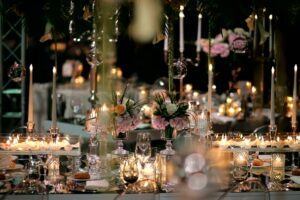


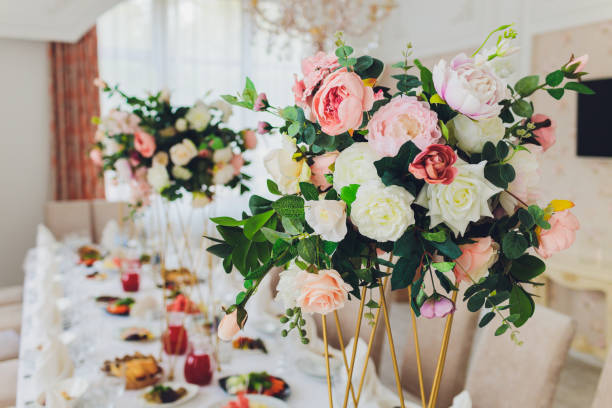
Modern floral arrangements for wedding receptions combine structural design, seasonal blooms, and curated colour palettes to create tablescapes that feel intentional and visually striking. From asymmetric centrepieces to low garden-style arrangements, today’s trends prioritise texture, negative space, and botanical variety over traditional symmetrical bouquets. The result is a reception aesthetic that feels fresh, editorial, and deeply personal.
If you are planning a wedding in Singapore and want your venue to leave a lasting impression, the floral choices you make for your reception tables matter more than most couples realise. Wedding reception decorations have shifted significantly over the past few years — moving away from predictable rose centrepieces toward layered, nature-inspired designs that reflect the couple’s personality and complement the venue’s architecture.
This guide is written for wedding planners who want to bring clients something genuinely current, practical, and visually cohesive.
Why Floral Trends Matter for Reception Table Design
Flowers set the emotional tone of a reception space before guests even sit down. According to the Singapore Florist Association, floral decor consistently ranks among the top three visual elements guests remember from a wedding reception. The arrangement style — not just the flower type — is what makes the difference between a table that photographs beautifully and one that simply has flowers on it.
Wedding planners need to stay ahead of these shifts. Couples in Singapore are increasingly influenced by editorial wedding content from platforms like Pinterest and Instagram, and they come to consultations with references. Knowing how to translate those references into feasible, budget-conscious arrangements is a core skill.
Modern Floral Styles Dominating Wedding Reception Decorations
1. Low Garden-Style Centrepieces
These arrangements sit below eye level and sprawl naturally across the table. They typically use a mix of soft-textured blooms — think ranunculus, garden roses, sweet peas, and trailing greenery like eucalyptus or ivy. The effect is lush without being obstructive, which means guests can actually see each other across the table.
This style works exceptionally well in venues with high ceilings or outdoor garden settings in Singapore, where the natural humidity gives florals a naturally dewy, vibrant look.
2. Asymmetric Column Arrangements
Tall, asymmetric floral columns create drama without requiring elaborate infrastructure. Unlike traditional symmetrical pillars, these arrangements lean, arch, or trail — giving the table a sculptural quality. Florals like anthurium, bird of paradise, and tropical leaves work particularly well in Singapore’s context, as they thrive locally and reduce procurement costs.
3. Monochromatic Palettes with Textural Contrast
Rather than mixing multiple colours, modern wedding flower arrangements often commit to a single colour family and vary the texture instead. An all-white table might include peonies, white cosmos, bleached pampas grass, and ivory candles — each element contributing a different surface quality while maintaining visual calm.
This approach photographs exceptionally well and tends to age better across different lighting conditions, from daytime outdoor weddings to candlelit ballrooms.
4. Dried and Preserved Floral Elements
Dried flowers are no longer a budget compromise — they are a deliberate design choice. Pampas grass, dried protea, cotton stems, and preserved lunaria add an earthy, intimate quality to table settings. They also hold up in Singapore’s warm climate far better than some fresh cut flowers, which is a practical advantage planners should communicate clearly to clients.
5. Floral Table Runners
Floral table centrepieces in runner format are one of the strongest current trends. Instead of a single centrepiece per table, blooms are arranged in a loose, continuous line down the centre of a long table. This suits Singapore’s popular banquet-style receptions and creates an immersive dining experience that feels both intimate and grand simultaneously.
Pairing Florals with Other Decorative Elements
Modern floral arrangements rarely exist in isolation. They are part of a wider design language that includes tableware, linen texture, candle height, and even menu card placement. Here is how to build a cohesive table that elevates the florals rather than competing with them:
- Linen choice: Textured linen or velvet tablecloths ground arrangements that use lighter, airy florals. Smooth satin works better with structured, architectural arrangements.
- Vessel selection: Terracotta pots, hammered brass urns, and ribbed glass vases all add character without distracting from the florals themselves.
- Candles and lighting: Taper candles at varying heights alongside low centrepieces create visual rhythm. Avoid placing candles directly inside dense floral clusters in humid conditions.
- Foliage to flower ratio: Modern wedding decor tends toward a higher foliage ratio — roughly 40% blooms, 60% greenery and filler — which also helps manage costs without reducing visual impact.
Practical Considerations for Wedding Planners in Singapore
When advising clients on floral arrangements, there are several Singapore-specific factors worth raising early in the planning process.
Seasonality and sourcing: Singapore does not have traditional seasons, but import cycles for specific blooms like peonies and tulips can affect availability and pricing. Tropical varieties — heliconias, anthuriums, orchids — are locally available, sustainable, and cost-effective. Orchids, as Singapore’s national flower, carry both cultural significance and wide aesthetic versatility.
Climate resilience: Outdoor and semi-outdoor venues along Marina Bay or Sentosa require florals that can withstand heat and humidity for three to four hours. Work with florists experienced in conditioning flowers for Singapore’s conditions.
Setup and strike timelines: Most Singapore banquet venues allow floral setup to begin two to three hours before the event. Coordinate closely with wedding vendors in Singapore early to ensure the florist’s timeline aligns with the venue’s access window.
How to Choose the Right Arrangement Style for Each Client
Not every modern style suits every couple. Use these markers to guide your recommendation:
| Client Profile | Recommended Arrangement Style | Key Florals to Suggest
|
|---|---|---|
| Minimalist, modern aesthetic | Monochromatic with textural contrast | White peonies, pampas grass, eucalyptus |
| Romantic, garden-inspired | Low garden-style centrepieces | Garden roses, ranunculus, sweet peas |
| Dramatic, editorial look | Asymmetric column arrangements | Anthurium, bird of paradise, monstera |
| Relaxed, bohemian feel | Dried and preserved elements | Pampas grass, dried protea, cotton stems |
| Banquet-style long tables | Floral table runners | Mixed seasonal blooms, greenery trails |
Bringing It All Together
The best floral reception tables are not just pretty — they are considered. Every element, from vessel height to foliage ratio, contributes to a space that feels curated rather than assembled. As a wedding planner, your ability to guide clients toward arrangements that are both visually impactful and logistically sound is what separates an average event from a genuinely memorable one.
For planners looking to source quality props, structures, and styling accessories that complement modern floral arrangements, The Wedding Props offers a curated range of wedding decor solutions designed specifically for Singapore reception settings. Their collection supports the layered, editorial aesthetic that today’s couples are drawn to — giving you more to work with on the day.
Frequently Asked Questions
What are the most popular modern floral centrepiece styles for wedding receptions in Singapore?
Low garden-style arrangements, floral table runners, and asymmetric column centrepieces are currently the most popular choices. Tropical florals like orchids and anthuriums are widely used for their climate resilience and local availability, making them both practical and visually striking for Singapore venues.
How far in advance should wedding planners book florists in Singapore?
Most experienced Singapore wedding florists book out three to six months in advance, particularly for peak wedding dates. Securing your florist early also allows time to source specific imported blooms like peonies or tulips, which have limited availability windows due to Singapore’s import cycles.
Are dried flowers a good option for Singapore wedding receptions?
Yes. Dried and preserved flowers perform well in Singapore’s warm, humid climate and are increasingly used as a deliberate design choice rather than a budget alternative. They work especially well in bohemian or earthy-toned reception settings and pair beautifully with terracotta or matte ceramic vessels.
What is the ideal foliage-to-flower ratio for modern wedding table arrangements?
A ratio of approximately 60% foliage and greenery to 40% blooms is widely recommended for modern arrangements. This balance creates visual depth and texture while keeping costs manageable, and it aligns with the natural, garden-inspired aesthetic that is prominent in current wedding decor trends.
How do floral arrangements affect the overall guest experience at a wedding reception?
Florals establish the emotional tone of a reception space immediately upon entry. Well-designed centrepieces at the right height encourage conversation, improve table photography, and reinforce the overall design narrative — making guests feel immersed in a cohesive experience rather than simply seated at a decorated table.
What should wedding planners consider when pairing florals with other table decor elements?
Linen texture, vessel style, and candle placement all directly influence how florals read in a space. Structured arrangements pair better with smooth satin linens, while loose garden arrangements suit textured fabrics. Vessel choice — brass, terracotta, ribbed glass — adds character without competing with the blooms themselves.