

Poor posture places excessive strain on the muscles, joints, and discs of the spine. Over time, this leads to chronic tension, muscle imbalances, and structural changes that cause persistent back pain. Common culprits include prolonged sitting, forward head position, and slouching. Correcting posture through targeted exercises, ergonomic adjustments, and professional guidance can significantly reduce pain and prevent long-term damage.
If you spend most of your day at a desk or hunched over a screen, your back is likely paying the price. Back pain is one of the most common complaints among office workers and students in Singapore, and poor posture sits at the root of most cases. Understanding how your daily habits affect your spine is the first step — and the good news is that most posture-related issues respond well to the right back treatment in Singapore.
What Poor Posture Actually Does to Your Spine
Your spine has a natural S-curve designed to distribute load evenly. When you slump forward or crane your neck toward a monitor, that curve flattens or reverses — and the pressure on your spinal discs increases dramatically.
Research shows that sitting in a flexed, forward-leaning position increases intradiscal pressure by up to 40% compared to standing upright. For someone sitting eight or more hours a day, that sustained compression adds up fast. The muscles around the spine work overtime to stabilise the structure, leading to fatigue, tightness, and eventually pain.
Common Posture Problems in Office Workers and Students
Not all posture problems look the same. Here are the patterns that show up most frequently in desk-based lifestyles:
- Forward head posture: For every inch your head moves forward of your shoulders, the effective load on your cervical spine roughly doubles. This strains the upper back and neck.
- Rounded shoulders: Tight chest muscles pull the shoulders inward, creating a kyphotic curve in the thoracic spine and compressing the discs.
- Anterior pelvic tilt: Sitting for long periods tightens the hip flexors and weakens the glutes, tilting the pelvis forward and exaggerating the lumbar curve.
- Swayback posture: Common in students who lean back lazily in chairs, this shifts the hips forward and loads the lower back joints unevenly.
Signs Your Back Pain May Be Posture-Related
Posture-related back pain has specific patterns that separate it from injury-related pain. Watch for these signals:
- Discomfort that worsens after long periods of sitting or standing
- Pain that eases when you move around or change position
- Stiffness in the morning or after getting up from a chair
- Muscle tension concentrated in the neck, upper traps, or lower back
- Headaches originating from the base of the skull
If the pain is sharp, radiates down your leg, or is accompanied by numbness, it may indicate nerve involvement and warrants professional assessment through back pain physiotherapy.
How to Improve Your Posture: Practical Daily Habits
1. Set Up Your Workstation Correctly
Your environment shapes your posture more than your willpower does. Adjust your chair so your feet rest flat on the floor, your knees are at roughly 90 degrees, and your screen is at eye level. Your elbows should sit close to your body when typing, not reaching forward or flaring out.
If you are using a laptop without a stand, your neck is likely bent downward for hours at a time. A laptop stand and an external keyboard cost very little but make a significant ergonomic difference.
2. Break the Sitting Cycle
Sitting is not the problem — static sitting is. The spine needs movement to maintain disc hydration and muscle tone. Use the 30-30 rule: every 30 minutes of sitting, stand or move for at least 30 seconds. Set a phone alarm if needed.
Micro-breaks are more effective than one long walk at the end of the day. Even standing while taking a call or doing a few shoulder rolls at your desk helps interrupt the postural strain cycle.
3. Strengthen the Right Muscles
Posture correction is not just about reminding yourself to sit straight. It requires building the muscular endurance to hold proper alignment effortlessly. Focus on:
- Deep core muscles (transverse abdominis) — these stabilise the lumbar spine
- Glutes and hip extensors — counteract the hip tightness from prolonged sitting
- Thoracic extensors and scapular retractors — pull the shoulders back and open the chest
- Deep neck flexors — counterbalance forward head posture
Exercises like dead bugs, bird dogs, face pulls, and chin tucks target these areas without requiring a gym membership.
4. Stretch What Sitting Tightens
Prolonged sitting shortens the hip flexors, chest muscles, and hamstrings. These restrictions pull the spine out of alignment from multiple directions. Daily stretching — particularly hip flexor stretches, chest openers, and thoracic rotations — restores the range of motion needed for good posture.
Even five to ten minutes of targeted stretching after work makes a measurable difference over time.
When Posture Correction Alone Is Not Enough
Some cases of posture-related back pain have already progressed beyond what home exercises can resolve. If you have been dealing with persistent pain for more than a few weeks, or if certain movements cause sharp discomfort, professional back pain treatment in Singapore is worth considering.
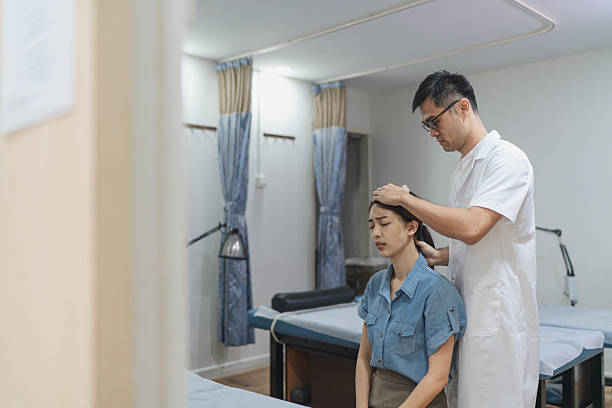
A physiotherapist can conduct a detailed postural assessment to identify specific imbalances, joint restrictions, or disc involvement. Treatment may include manual therapy, targeted exercise prescription, and education on movement patterns — all tailored to your body, not a generic programme.
Posture correction through physiotherapy is not a passive process. It is a structured rehabilitation pathway that addresses the root cause rather than just the symptom.
Comparison: Self-Management vs. Professional Physiotherapy for Back Pain
| Factor | Self-Management | Physiotherapy
|
|---|---|---|
| Diagnosis accuracy | Limited | High — clinical assessment |
| Exercise personalisation | Generic | Tailored to your condition |
| Pain relief timeline | Slower, inconsistent | Faster with guided intervention |
| Risk of worsening | Moderate if exercises are wrong | Minimal with supervision |
| Best for | Mild, early-stage discomfort | Persistent or recurrent pain |
For mild discomfort caught early, the daily habits outlined above can be highly effective. For anything that has persisted beyond a few weeks, or keeps coming back, professional assessment is the smarter path.
If you are ready to address the root cause of your back pain, the team at Heartland Rehab offers evidence-based physiotherapy designed to help office workers and students in Singapore recover and move better — without relying on painkillers or guesswork.
Frequently Asked Questions
Can poor posture permanently damage your back?
Yes, over time poor posture can cause structural changes including disc degeneration, muscle imbalances, and altered spinal curvature. However, most posture-related back conditions are reversible when caught early and treated with the right combination of exercise, ergonomic correction, and physiotherapy before permanent changes set in.
How long does it take to correct posture?
Noticeable improvement in posture typically takes four to eight weeks of consistent effort. The timeline depends on how long the poor posture has been present and how committed you are to daily exercises and ergonomic adjustments. Working with a physiotherapist can shorten this timeline significantly.
Is back pain physiotherapy effective for posture-related pain?
Yes, back pain physiotherapy is highly effective for posture-related conditions. A physiotherapist identifies the specific postural faults contributing to your pain and prescribes targeted exercises, manual therapy, and movement re-education. It addresses the cause rather than just managing the symptom, making it more sustainable than pain relief alone.
What is the best sitting position to avoid back pain?
Sit with your feet flat on the floor, knees at 90 degrees, and lower back lightly supported by your chair. Keep your screen at eye level and shoulders relaxed. Avoid holding one position for more than 30 minutes — regular micro-breaks matter as much as the position itself.
When should I see a doctor or physiotherapist for back pain?
Seek professional advice if your back pain has lasted more than two to three weeks, worsens with rest, radiates into your leg, or is accompanied by numbness or weakness. These signs may indicate nerve involvement or a structural issue that requires clinical assessment beyond self-management strategies.
Can students develop serious back problems from poor posture?
Yes, students are increasingly at risk due to long study hours, heavy school bags, and prolonged screen use. Poor spinal habits formed young can accelerate disc wear and muscular imbalances. Early posture correction and regular movement breaks are essential preventive steps for students before symptoms become chronic.