

Selecting the right vinyl wood flooring means evaluating wear layer thickness, core construction, plank dimensions, and surface texture against your household’s specific needs. For Singapore homes, humidity resistance and ease of maintenance matter as much as aesthetics. The best choice balances realistic wood appearance, durability under daily foot traffic, and suitability for the local climate.
Why Vinyl Wood Flooring Works Well in Singapore
Singapore’s tropical climate — high humidity, frequent temperature shifts, and air-conditioned interiors — creates a challenging environment for natural timber. Solid wood expands and contracts noticeably, which leads to warping and gaps over time. Vinyl flooring handles these conditions far more reliably because it is dimensionally stable and 100% waterproof.
According to the Building and Construction Authority (BCA) of Singapore, interior moisture management is a key consideration in residential renovation specifications. Vinyl’s moisture resistance makes it a practical first choice for HDB flats, condominiums, and landed homes alike.
Understanding the Core Types of Vinyl Wood Flooring
Not all vinyl flooring is the same. The core construction determines how it performs under load, resists indentation, and handles subfloor imperfections.
Luxury Vinyl Plank (LVP)
Luxury vinyl plank flooring replicates the look of hardwood in long, narrow planks. It typically features an embossed wood-grain texture that adds depth and realism. LVP is ideal for living rooms, bedrooms, and open-plan spaces where visual continuity matters.
SPC (Stone Plastic Composite) Core
SPC flooring uses a rigid stone-polymer core that resists denting and handles high traffic well. It is thinner than WPC but denser, making it suitable for areas where heavy furniture or foot traffic is constant. SPC is increasingly preferred by vinyl flooring contractors in Singapore for commercial and high-use residential applications.
WPC (Wood Plastic Composite) Core
WPC has a foamed core that provides a softer underfoot feel and better sound absorption. It is slightly thicker than SPC and works well in bedrooms or spaces where comfort matters more than maximum rigidity.
How to Compare Vinyl Flooring Options: Key Specifications
When reviewing products at a showroom or online, focus on these five technical factors rather than appearance alone.
- Wear Layer Thickness: Measured in mils (1 mil = 0.0254mm). Residential use typically requires 12 mil or above. High-traffic areas benefit from 20 mil or more. A thicker wear layer resists scratches, scuffs, and staining.
- Overall Plank Thickness: Ranges from 4mm to 8mm for most residential vinyl plank flooring. Thicker planks cover minor subfloor imperfections more effectively and feel more substantial underfoot.
- Embossing Depth: Deeper emboss patterns improve texture realism. “Embossed in register” (EIR) technology aligns the texture with the printed grain for a more convincing wood look.
- Locking System: Most modern planks use a click-lock system for floating installation. Verify compatibility with the existing subfloor and check if the product requires underlay.
- AC Rating: The Abrasion Criteria (AC) rating indicates durability. AC3 is standard for residential use; AC4 suits home offices or moderate commercial spaces.
Matching the Design to Your Space
Wood look vinyl flooring comes in dozens of species simulations — oak, walnut, ash, teak, and more. Choosing the right visual style requires thinking beyond personal preference.
Plank Width and Room Perception
Wider planks (180mm–230mm) create a more open, spacious feel — well-suited to larger Singapore living areas. Narrower planks (100mm–150mm) work better in compact rooms or areas where you want to add visual structure without overwhelming the space.
Colour Tone and Natural Light
Lighter tones in grey-washed or blonde oak finishes reflect Singapore’s bright, natural light and make rooms feel larger. Darker walnut or espresso tones add warmth and contrast but can make smaller rooms feel enclosed if used without adequate lighting.
Finish Type
Matte finishes hide everyday scuffs and dust better than high-gloss options, which is why most interior designers in Singapore favour them for residential spaces. Satin finishes offer a middle ground with moderate sheen and reasonable scratch concealment.
Installation Considerations for Singapore Homes
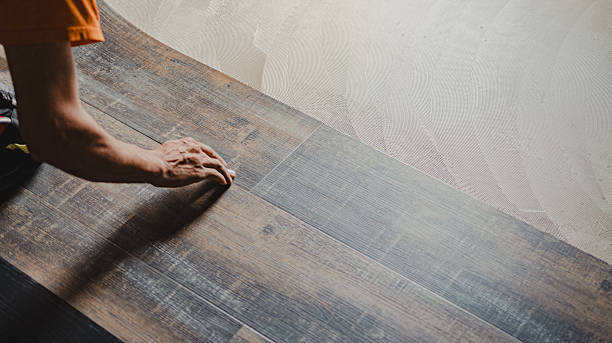
Installation method affects longevity and repair flexibility. The two primary approaches for vinyl plank flooring are floating and full-spread glue-down.
Floating installation is quicker and allows planks to be removed and replaced individually if damaged. It is the most common choice for HDB renovations. Glue-down installation creates a firmer bond and reduces hollow-sounding areas, often preferred when installing over concrete screeds in older properties.
Before installation, the subfloor must be level within 3mm per 1.8m span. Any higher variation will cause the locking joints to stress over time. Working with experienced vinyl flooring contractors who understand local subfloor conditions will prevent premature joint failure.
Daily Use, Maintenance, and Lifespan
Vinyl flooring in Singapore requires minimal upkeep compared to natural timber. Here is what you should know for the long term:
- Sweep or vacuum dry debris daily to prevent surface micro-scratches from grit.
- Use a damp mop with a pH-neutral cleaner weekly. Avoid steam mops — the heat can compromise the adhesive layer or warp the planks over time.
- Place felt pads under furniture legs to prevent concentrated pressure marks.
- Keep direct sunlight from hitting the floor for extended periods. UV exposure fades printed layers, particularly on lower-quality products. Use curtains or UV-filtering window films.
A quality vinyl plank flooring product, properly installed and maintained, typically lasts 15–25 years in a Singapore residential setting.
Vinyl Flooring Singapore: Pricing Benchmarks
In Singapore, vinyl flooring generally ranges from S3toS9 per square foot for the material, with installation adding S1.50toS3 per square foot depending on subfloor preparation required. SPC-core products with a 20 mil wear layer sit at the higher end of this range but offer better long-term value for high-traffic households.
Always request a full quote inclusive of subfloor levelling, underlay (if required), and skirting. Some contractors quote material-only pricing, which can mislead your renovation budget planning.
Questions to Ask Before You Buy
Use this quick checklist when speaking with suppliers or vinyl flooring contractors in Singapore:
- What is the wear layer thickness in mils?
- Is the core SPC or WPC, and what is the total plank thickness?
- Does the product come with a residential warranty, and what does it cover?
- Is underlay included or sold separately?
- What is the recommended maintenance product for this specific range?
For homeowners in Singapore looking for a trusted supplier with a broad selection across SPC, WPC, and wood look vinyl flooring options, Xing Floors offers both product expertise and professional installation support — making the selection process considerably more straightforward from first visit to final finish.
Frequently Asked Questions
What wear layer thickness is recommended for vinyl wood flooring in a Singapore HDB flat?
For standard residential use in an HDB flat, a wear layer of at least 12 mil is recommended. High-traffic areas such as entryways, hallways, and living rooms benefit from 20 mil or above, as it provides better resistance to scratches, scuffs, and daily foot traffic over the long term.
Is vinyl plank flooring suitable for Singapore’s humid climate?
Yes. Vinyl plank flooring is 100% waterproof and dimensionally stable, making it well-suited to Singapore’s high humidity. Unlike solid timber, it does not expand or warp under moisture exposure, which makes it a practical choice for kitchens, bathrooms, and areas prone to condensation from air-conditioning units.
What is the difference between SPC and WPC vinyl flooring?
SPC (Stone Plastic Composite) has a rigid, dense core suited to high-traffic areas and is thinner overall. WPC (Wood Plastic Composite) has a foamed core that offers a softer, quieter underfoot feel. SPC is generally preferred for commercial or busy residential spaces, while WPC suits bedrooms and comfort-focused areas.
How long does vinyl wood flooring last in a Singapore home?
With proper installation and routine maintenance, quality vinyl plank flooring lasts between 15 and 25 years in a Singapore residential setting. Lifespan depends on wear layer thickness, foot traffic levels, UV exposure, and adherence to recommended cleaning practices such as avoiding steam mops and abrasive cleaners.
Should I hire professional vinyl flooring contractors or install it myself?
Professional installation is strongly recommended in Singapore, particularly for older HDB flats where subfloor levelling is often required. Improper installation over an uneven subfloor causes joint stress and plank movement over time. Experienced contractors also ensure correct expansion gaps, which prevent buckling in areas with significant temperature variation from air-conditioning.
What is the average cost of vinyl flooring installation in Singapore?
Material costs for vinyl flooring in Singapore typically range from S3toS9 per square foot, with installation adding S1.50toS3 per square foot. Total costs vary based on subfloor condition, plank quality, and whether underlay or skirting is included. Always request an all-in quotation to avoid unexpected renovation budget shortfalls.