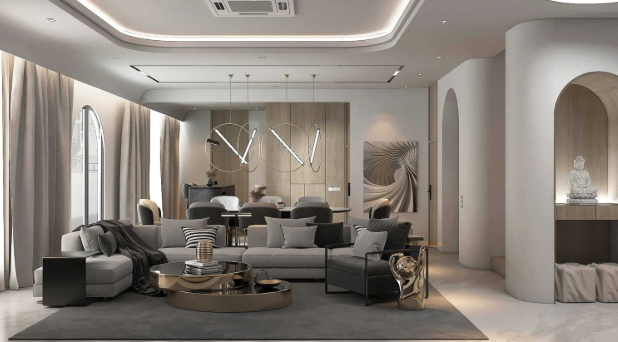
Design changes how people live, not just how their spaces look. A well-planned room encourages comfort, order, and pride. In Malaysia, homeowners often want spaces that feel fresh but still function well every day. That’s where expert guidance proves valuable.
Choosing top interior designers makes a real difference in how your home works for you. From room flow to furniture placement, their touch brings both beauty and function into balance. In this guide, we explore why working with these professionals matters, and how they help turn visions into reality.
What Makes Interior Design a Critical Investment?
Design shapes mood, movement, and lifestyle. A cluttered space causes stress. Poor lighting leaves rooms dim or unsafe. Without good design, even large rooms feel cramped. That’s why careful planning isn’t optional—it’s essential.
Malaysia’s diverse housing styles—from high-rise apartments to terrace homes—offer different challenges. One layout may need clever storage. Another may need better airflow. Design solves those challenges by making the best use of every inch.
More than decoration, interior design guides how a room serves your daily life.
The Value of Working with Experienced Professionals
Many people begin with ideas they’ve saved online. But turning images into livable spaces takes skill. That’s where the role of top interior designers becomes clear. They do more than match colours—they create full environments that support how you live.
With a clear understanding of structure, lighting, and spatial flow, they:
- Read room proportions with accuracy
- Balance form with function
- Offer creative solutions for difficult layouts
- Select materials that suit local weather and usage
They listen, translate, and then build. Every decision reflects what you want and what the space needs.
Malaysian Lifestyles Require Flexible Design
Homes in Malaysia need to serve many roles. A single room might be a place for rest, family gatherings, and work. Top interior designers understand this. They plan flexible layouts and multifunctional zones.
They may suggest sliding partitions, dual-purpose furniture, or movable storage. In high-rise settings, where space feels limited, small changes lead to big improvements.
Families grow. Work-from-home patterns shift. Needs change. Designs that adapt help homes stay useful through all of life’s seasons.
Layouts that Support Movement and Comfort
Have you ever walked into a room and felt awkward, unsure where to sit or stand? That often happens in spaces with poor layouts. One chair is too many. A dining table that blocks the way. Design should remove friction, not add it.
Top designers consider how people move through each room. They:
- Allow clear walkways
- Create natural focal points
- Use furniture to define space without walls
- Balance open zones with cosy corners
When movement feels easy, comfort follows. The room welcomes, rather than overwhelms.
Lighting as a Tool, Not Just a Feature
Lighting shapes the feel of every room. Harsh light can make a space look sterile. Poor placement leaves areas in shadow. Top interior designers build lighting plans that support both activity and atmosphere.
They balance three layers:
- Ambient light for general brightness
- Task lighting for reading, cooking, or studying
- Accent lights to draw focus to art, walls, or details
In homes across Malaysia, where natural light may vary by building type, this balance matters. Strategic placement enhances comfort while saving energy.
Material Choices Reflect Daily Use
Each surface in your home faces wear. That’s why picking the right material isn’t just about taste—it’s about function. A busy kitchen needs worktops that resist stains. Bathrooms must fight humidity. A living room should feel soft but clean easily.
Top designers choose materials based on how you live, not just what’s trendy. They factor in:
- Durability for high-touch areas
- Texture and temperature for comfort
- Maintenance level to suit lifestyle
- Safety, especially in family homes
These choices ensure that the design stays beautiful and practical over time.
Furniture that Fits and Flows
Furniture anchors each room. But oversized sofas or clunky tables can throw off a room’s balance. Top interior designers assess space before suggesting pieces. They don’t just decorate—they choreograph the room’s movement.
They consider:
- Height and shape for visual balance
- Materials that connect across rooms
- Storage that blends into the design
- Sizes that match room scale and usage
Designers make sure your home isn’t just filled—it’s furnished with care and purpose.
Colour and Texture That Communicate Feeling
Colour and texture change how a space feels. Soft tones soothe. Deep hues add drama. Rough wood adds warmth. Smooth marble brings polish. But too much variety confuses the eye. Too little makes a room dull.
Top interior designers in Malaysia select tones that suit both space and light. They use contrast to guide the eye and texture to add richness.
Every element supports a larger message: calm, creativity, energy, or ease.
Design That Plans for the Future
Good design grows with you. Top designers think ahead. They plan spaces not just for today, but for what tomorrow might need.
They ask:
- Will this room stay the same, or change use?
- Can a child’s room become a study later?
- Will materials and layouts stay useful over time?
Design should respond to life’s changes. When you choose top interior designers, you invest in future-proof plans that reduce the need for frequent updates.
The Power of Personalisation
Mass-produced furniture fills space but lacks character. Top designers know how to make a home feel yours. They bring in details that reflect your habits, values, and story.
This might look like:
- Custom-built shelves for book lovers
- Window seating for quiet reading
- Statement walls that tell a personal tale
- Colours that match memories or moods
Your space should echo who you are. That’s the difference between a showroom and a home.
Design as a Form of Problem-Solving
Design solves problems. A dark kitchen gets brighter. A narrow hall feels wider. A cluttered corner becomes useful. These shifts improve how you feel in your home.
Top designers approach each space as a puzzle. They look for what doesn’t work and fix it using tools like layout, lighting, and material. Their choices add more than style—they create calm, control, and joy.
They focus on how space feels, not just how it appears.
How Good Designers Save Time and Reduce Waste
Without guidance, design projects often waste effort. Paint colours get changed. The furniture doesn’t fit. Time gets lost. Designers help avoid this.
They bring:
- Clear plans
- Access to trusted resources
- Order in sequence—what gets done, when, and how
This structure removes trial and error. It also supports sustainability. Fewer wrong choices mean fewer wasted materials and energy.
Planning well helps the planet, not just your peace of mind.
Conclusion
Choosing top interior designers doesn’t mean losing control. It means gaining a guide. Someone who listens to your ideas, adds insight and shapes your vision with care.
Style without purpose fades quickly. But design rooted in understanding stays useful and inspiring for years.
Whether you live in a small flat or a landed house, the right designer turns walls and floors into places where life unfolds beautifully. Their work brings calm to chaos, rhythm to routine, and clarity to clutter.
FAQ’s
1. Why is hiring a top interior designer in Malaysia a smart choice?
Top designers bring both creative and technical skills to the table. They understand how to balance aesthetics with function, which is crucial for spaces in Malaysia’s varied climates and lifestyles. Their experience helps avoid costly mistakes and ensures smooth execution from concept to completion.
2. Can a good designer help me save money in the long run?
Yes. While design fees may seem like an added cost, professionals help you avoid overspending on unnecessary features. They plan layouts that reduce waste, select durable materials, and manage budgets efficiently—reducing the risk of expensive rework or delays.
3. What makes a space both stylish and practical?
A stylish and practical space feels visually appealing yet functions smoothly for daily use. Good designers consider lighting, ventilation, furniture placement, storage, and circulation. They make sure your home or office supports your lifestyle, not just your Pinterest board.