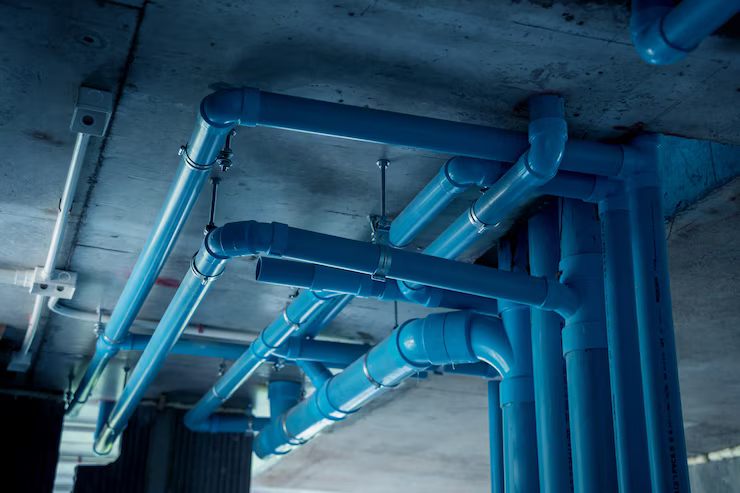
Crafting a chilled water piping system involves much more than sketching lines or attaching parts. Each move during design shapes how the system behaves. If even one part strays from the right path, it can drain energy, swell costs, and wear down equipment too early.
This guide reveals the most frequent mistakes that sneak into these chilled water piping systems. It also explains how to dodge them using smart, careful steps. Understanding these problems helps keep performance strong and reliable. Whether designing something new or reviewing an existing setup, sidestepping these faults can make all the difference.
Ignoring Pipe Sizing Rules Can Cripple the System
Laying out a water piping system without proper sizing opens the door to flow disruptions. Jumping to conclusions or oversizing to play it safe ends up weakening performance.
- Oversized pipes slow the flow and drain more resources
- Undersized lines create bottlenecks and pressure dips
- Incorrect sizing muddles water speed and coil response
Designers must calculate pipe sizes with care. Oversized piping hikes costs and dulls flow speed. Undersized lines squeeze the system and keep chilled water from reaching every corner. Choose pipe dimensions that match pressure loss, velocity, and flow demand to keep everything moving smoothly.
Skipping Flow Balancing Creates Hot and Cold Pockets
When the flow runs unevenly, the system can’t cool each space as needed. This causes discomfort and wastes energy, no matter how advanced the equipment is.
- Unbalanced flow leaves some zones too warm or too cold
- Certain coils overflow while others stay dry
- Flow becomes wild, forcing pumps to work harder
Flow balancing sets the rhythm of the entire system. Balancing valves help adjust how much water reaches each part. Without these controls, water can flood some coils and ignore others. Placing valves at the right points helps water spread evenly, preventing overload and keeping temperatures steady.
Forgetting Air Removal Causes Noisy and Inefficient Systems
Small air pockets trapped in the system can cause significant trouble. These bubbles block flow, create noise, and weaken cooling when ignored.
- Air blocks prevent water from reaching coils
- Trapped air rattles pipes and disturbs flow
- The system loses heat transfer strength and struggles to cool
Designs must always include proper venting. Air separators and high-point vents help collect and release air that rises in the pipes. Pipes should tilt gently toward vents to guide air away. Skipping this step leads to noisy, sluggish systems that fight to work correctly.
Placing Pumps Wrong Can Drain Performance
Placing the pump in the wrong spot shakes the system’s balance. It puts stress on parts and leaves water wandering without purpose.
- Pumps on the wrong side of the chiller dull its effect
- Sharp or short suction lines disturb flow
- Poor pump location causes vibration and flow loss
Pump placement shapes the way water flows. Set the pump where it can draw smoothly and push with power. Suction lines must stretch straight and long to let water glide in. Curves, short runs, or high spots can stir up pressure drops and invite pump damage.
Overlooking Pipe Support Damages the Structure
Pipes filled with chilled water weigh a lot. Without proper support, they droop, pull at joints, and create damage across the system.
- Drooping pipes, stress fittings, and anchors
- Pump vibration rattles loose joints
- Pipe weight tears at walls and ceilings
Supporting the pipes keeps everything in place. Each section needs brackets, anchors, or guides at the right distance. Support must handle pipe size, water weight, and movement. If this step is missed, the system can collapse under its weight or twist from thermal shifts.
Wrong Valve Placement Blocks Maintenance
Valves must stay within reach. If placed too high, hidden, or behind machines, they become hard to operate when needed.
Each device—pump, chiller, coil—needs an isolation valve nearby. These let technicians shut off one part without draining the whole system. Keep valves in clear view and make room around them. Good placement cuts maintenance time and helps stop problems early.
Ignoring Expansion Gaps Cracks the System
Pipes grow and shrink with temperature changes. Ignoring this movement invites cracks and stress at joints.
- No room to move causes pipe breaks
- Heat and cold stretch pipes beyond their limits
- Rigid lines pull apart under pressure
Designs must welcome pipe movement. Expansion joints, loops, and flexible sections let pipes grow and shrink without snapping. Anchor points help control where movement happens, guiding the system safely through changes in water temperature.
Mixing Materials Creates Corrosion Problems
Using different materials in the same system may trigger corrosion. Metal types that don’t match can react badly over time.
- Mixed metals wear down when exposed to each other
- Pipes corrode from the inside, causing leaks
- Valves and joints weaken from unseen chemical damage
Material choice matters. Keep copper, steel, and other metals separate using dielectric fittings. Choose components that match the material and quality. Also, the water chemistry must be controlled to protect against rust and build-up inside the piping.
Overcomplicating Controls Confuses the System
Controls should guide the system, not confuse it. Adding too many sensors or layers of logic slows response and causes mistakes.
- Confusing logic creates signal delays
- Unclear settings lead to poor temperature control
- Operators bypass controls when systems misbehave
Keep controls clear and direct. Use simple strategies that respond fast to temperature or pressure changes. Match logic across loops to create harmony. Avoid filling the system with gadgets that don’t communicate clearly. A simple setup often works better and needs less fixing.
Neglecting Insulation Weakens Efficiency
Insulation may seem simple, but it significantly keeps a chilled water piping system efficient. Poor or missing insulation allows heat gain and invites moisture problems.
- Uninsulated pipes raise the water temperature unexpectedly
- Moisture forms on cold surfaces, causing damage
- Energy loss increases as pipes absorb heat from their surroundings
Use insulation with the right thickness and type for chilled water lines. Secure all seams tightly, especially near valves and joints. A small effort here protects the system’s performance over time.
Disregarding System Commissioning Damages Long-Term Operation
Even a well-designed water piping system fails if not properly commissioned. Skipping this step leads to hidden flaws that affect flow, control, and energy performance from the start.
- Valves may remain partially closed or incorrectly set
- Air might stay trapped, causing noise and inefficiency
- Flow rates often miss design values without proper checks
System commissioning confirms that each part performs as expected. Run flow tests, inspect control responses, and verify sensor readings before final handover. Thorough checks help prevent early wear and future problems.
Conclusion
Designing a chilled water piping system requires more than ticking off parts or copying old layouts. Every decision, from pipe size to valve access, shapes the system’s success. Mistakes in design won’t just stay hidden—they show up later as pressure problems, cooling gaps, or mounting costs.
Choosing the right path means thinking through every part. That includes how water flows, pipes move, and controls respond. Details like balancing valves, proper pipe supports, and expansion joints carry significant weight. Skipping these or guessing puts the system at risk. Careful, smart design prevents future failures and helps systems run at full strength.
Looking ahead with a clear, focused design helps deliver a system that stays dependable, efficient, and easy to maintain.