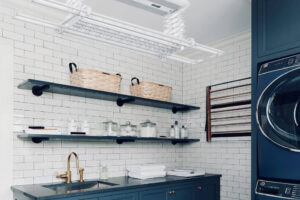
Colors have a profound impact on our emotions, productivity, and overall well-being. Whether it’s the walls of your bedroom, the trim in your kitchen, or the exterior of your home, the shades you choose can subtly influence how you feel every day. Understanding the psychology of paint helps you make thoughtful choices that create spaces that feel uplifting, calming, or energizing—depending on your goals.
1. How Color Affects Mood
The human brain responds to colors in ways that can influence our mental and physical states. Warm tones like reds, oranges, and yellows tend to evoke feelings of energy, warmth, and excitement. Cool tones like blues, greens, and purples generally promote calmness, focus, and relaxation. Neutral colors, such as whites, grays, and beiges, can provide balance and serve as a backdrop for more vibrant accents.
Choosing the Right Colors for Different Spaces
- Living Room—Soft earth tones, warm neutrals, or gentle greens can create an inviting space that encourages conversation and comfort.
- Bedroom—Shades of blue, lavender, or muted greens can promote relaxation and restful sleep.
- Kitchen – Bright yellows and warm creams can stimulate appetite and foster a cheerful atmosphere.
- Home Office—Light blues and soft grays can encourage focus and productivity without feeling overwhelming.
2. Interior and Exterior Considerations
When selecting paint, it’s important to think beyond aesthetics. Interior And Exterior Painting choices should also consider lighting, existing décor, and the way spaces connect. For interiors, natural and artificial light will affect how colors look throughout the day. For exteriors, climate, surrounding landscapes, and neighborhood styles should guide your palette selection to ensure harmony and lasting appeal.
3. The Role of Texture and Finish
Paint isn’t just about color—texture and finish can also influence mood and style. Matte finishes offer a softer, more relaxed feel, while high-gloss finishes create a vibrant, modern look. Adding visual interest through accent walls, stenciling, or faux finishes can bring personality to a room without overwhelming the space.
4. Blending Color Psychology with Personal Style
While color psychology provides helpful guidelines, personal preference plays a significant role. A color that’s energizing for one person might feel overwhelming to another. The key is to find shades that align with both your emotional needs and your taste. You can also incorporate your favorite colors through décor, art, and accessories to add layers of personality to your home.
5. Maintaining a Polished Look
Fresh paint can dramatically improve the look of a space, but the overall aesthetic also relies on the condition of surrounding elements. Damaged woodwork, trim, or cabinetry can distract from even the most beautiful paint job. In such cases, Custom Woodwork Repair ensures a flawless finish that enhances the overall impact of your color choices.
Final Thoughts
Paint is a powerful design tool that can shape the atmosphere of your home. By understanding color psychology and pairing it with thoughtful design choices, you can create spaces that truly elevate your mood and reflect your personality. At Jersey Shore Handy Heroes, expert painting services, attention to detail, and complementary repair work help bring your vision to life, ensuring every space in your home feels as good as it looks.