


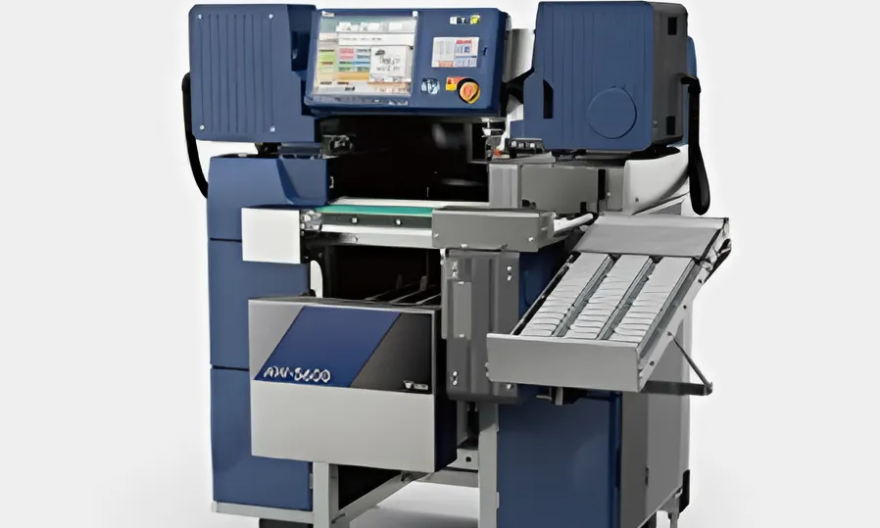
Spice brands need quick and clean packing methods to protect product quality and keep customers happy. Fine powders often drift through work areas and create waste during filling and sealing. Food packaging machines help factories pack spice powders with better speed, accuracy, and hygiene. These systems guide smooth production while keeping each pouch fresh and secure during storage and transport. In addition, modern machines cut manual work and sharpen filling control. From small spice shops to large production plants, the right packing system shapes daily work and strengthens long-term product value.
Why Spice Packing Needs Care
Spice powder moves with ease. Fine grains float through the air and cling to tools. Because of this, workers need strong control during each stage of packing.
A sound packing system helps teams:
- Keep powder fresh
- Cut product loss
- Hold clean working areas
- Fill packs with the right weight
- Seal bags with firm edges
Many spice makers also seek fast output. Yet they must guard taste and scent at the same time.
Types of Machines Used for Powder Packing
Different machines suit different tasks. Some fill small sachets, while others handle large bags for bulk trade.
Auger Filling Machines
These food packaging machines for powder packaging use a screw system to guide powder into packs. The screw turns and drops a set amount into each pouch. This design suits spice blends, flour, and fine herbs.
Vertical Form Fill Seal Machines
This system shapes a pouch from film, fills it with powder, and seals it in one flow. Therefore, many factories pick this option for daily use.
Semi-Automatic Packing Machines
Small brands often choose these systems. A worker places the pouch under the nozzle, and the machine fills the pack. This setup gives control and saves floor space.
Fully Automatic Packing Machines
Large factories often rely on automatic systems for high output. These machines handle filling, sealing, cutting, and counting without long pauses. As a result, teams can pack more goods within a short time.
Key Features to Look For
Buyers should study machine parts with care. A poor match can slow work and waste stock.
Strong Build Quality
Steel frames resist rust and support clean handling. This matters in spice plants where powder spreads across surfaces.
Accurate Filling Control
Precise filling guards pack weight. In turn, brands avoid waste and hold product trust.
Easy Cleaning
Powder settles in corners and joints. So, workers need quick access to machine parts during wash cycles.
Flexible Pack Sizes
Many brands sell spices in small and large packs. A flexible machine supports both formats with fewer tool changes.
User-Friendly Controls
Simple controls help workers run the machine with ease. Clear buttons and touch panels also lower training time.
Benefits of Modern Packing Systems
Modern systems support smooth work across the full line. They also help staff manage high demand during busy seasons.
Some clear gains include:
- Faster packing speed
- Better hygiene control
- Less product waste
- Neat pouch appearance
- Stable sealing strength
In many plants, teams also track output with simple control panels. This helps staff spot faults before they grow.
How Powder Flow Affects Packing
Powder does not move like solid food. Some spice blends clump, while others drift through the air. Because of this, machine choice plays a major role. Food packaging machines for powder packaging often include dust control parts and sealed filling zones. These features protect both workers and products. In addition, they help factories meet food safety rules.
Free-Flowing Powders
Some powders move through the filling system with ease. Salt and fine sugar often fall into this group.
Non-Free-Flowing Powders
Certain spices hold moisture and form lumps. These powders need stronger filling systems to support smooth movement.
Importance of Hygiene in Spice Packing
Clean handling protects spice quality and keeps buyers safe. Even small dust build-up can affect the final product.
Factories often follow strict hygiene steps such as:
- Daily machine cleaning
- Protective clothing for workers
- Sealed storage areas
- Routine surface checks
- Safe waste removal
Strong hygiene habits also help brands meet food safety standards.
Packing Speed and Production Goals
Speed matters in busy spice plants. Yet fast output should not weaken pack quality.
A balanced system helps factories:
- Meet daily targets
- Reduce worker strain
- Keep filling levels steady
- Avoid delays during large orders
Strong planning also supports smooth product flow across the full packing line.
Future Trends in Spice Packaging
The spice industry continues to change with new packaging needs. Many factories now seek systems that support faster work and lower waste.
Some rising trends include:
- Smart control panels
- Eco-friendly packaging materials
- Compact machine designs
- Improved dust control systems
- Energy-saving technology
These changes help factories improve output while supporting cleaner production methods.
Final Thoughts
Spice packing demands strong control, clean handling, and steady production from start to finish. Different powders flow in different ways, so factories must choose systems that match their packing needs. Food packaging machines support accurate filling, tight sealing, and safe storage for spice products across many industries. These machines also trim waste, strengthen hygiene, and preserve product freshness during transport and shelf display. With regular care and smart machine selection, businesses can build smooth production lines that support growth, product quality, and customer trust over time.
FAQs
1. Which machine suits spice powder packing best?
The right machine depends on the powder type, pack size, and production needs. Small businesses often pick semi-automatic systems, while large factories choose automatic machines to speed up and smooth out packing work.
2. Why does hygiene play a big role in spice packaging?
Clean packing areas shield spice quality and stop dust, moisture, and germs from spoiling the product. Regular cleaning also keeps machines clear of blockages and helps factories follow food safety rules with ease.
3. How often should teams service packing machines?
Workers should clean and inspect machines after every production run. Teams should also examine seals, moving parts, and filling systems often to avoid breakdowns and keep production lines moving without long stops.
4. Which packaging materials protect spice products well?
Many spice brands favour laminated films, plastic pouches, and paper-based packs. These materials lock in flavour, block moisture, and keep products fresh during transport, storage, and shelf display.
