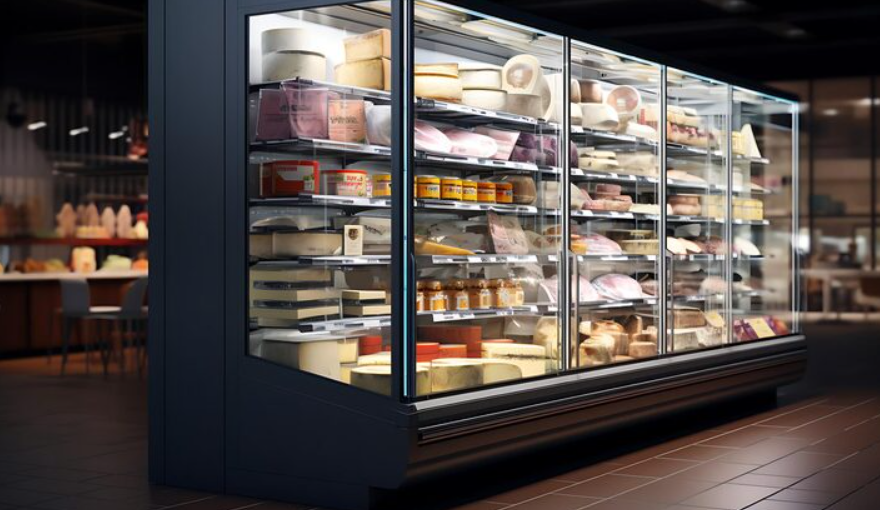
A display chiller built for high-traffic retail should offer multi-deck open-front shelving, energy-efficient compressor systems, LED lighting, glass door options for temperature retention, and smart thermostat controls. These features keep products consistently cold, reduce operating costs, and improve product visibility — all critical for supermarkets and convenience stores managing constant customer footfall and tight margins.
Choosing the right display chiller is one of the most important decisions a retail operator makes. It directly affects product freshness, energy bills, customer experience, and ultimately — sales. In Singapore’s competitive grocery and convenience store landscape, where customers expect cold beverages and fresh food available at all times, the wrong unit can cost you more than you realise.
This guide breaks down the features that matter most — and why each one makes a measurable difference on the shop floor.
Why Display Chiller Features Matter in High-Traffic Retail
Supermarkets and convenience stores in Singapore operate in warm, humid conditions year-round. Your refrigeration equipment works harder here than in temperate climates. A chiller that performs well in a low-footfall environment may struggle with constant door-opening cycles, fluctuating ambient temperatures, and the sheer volume of stock rotation that busy retail demands.
According to the Energy Market Authority of Singapore, commercial refrigeration accounts for a significant share of electricity consumption in the retail sector. Selecting a unit with the right specifications is not just a comfort choice — it is a cost management decision.
Key Features to Look for in a Supermarket Display Chiller
1. Consistent Temperature Performance
This is non-negotiable. A supermarket display chiller must maintain stable temperatures across all shelf levels — not just near the evaporator coil. Look for units with multi-airflow distribution systems that push cold air evenly from top to bottom. Inconsistent temperatures cause spoilage, increase wastage, and can create food safety compliance issues under Singapore Food Agency (SFA) guidelines.
For chilled ready-to-eat foods and dairy, the SFA requires storage at or below 4°C. A reliable commercial unit should maintain this without fluctuation, even during peak hours when the doors are opened repeatedly.
2. Energy Efficiency Ratings
Running a commercial chiller 24/7 is expensive. The National Environment Agency (NEA) in Singapore operates the Mandatory Energy Labelling Scheme (MELS), which applies to certain commercial refrigeration equipment. Prioritise units with high energy efficiency ratings or those that meet NEA’s standards — you will notice the difference in your monthly utility bills.
Features that drive efficiency include:
- Variable-speed compressors that adjust to load demand
- High-density foam insulation panels
- Anti-condensation heaters with auto-on controls
- Night blinds or strip curtains for open-front models
3. LED Lighting That Sells
LED lighting inside a chiller does more than illuminate — it merchandises. Well-lit shelves attract attention, make products easier to find, and influence purchase decisions. LED strips also generate significantly less heat than fluorescent alternatives, which means your compressor does not have to work as hard to compensate.
For a beverage display chiller specifically, back-lit or top-lit LED configurations make coloured labels and bottle designs pop — a subtle but effective driver of impulse purchases.
4. Glass Door vs. Open-Front Design
Both configurations have their place, and the right choice depends on your store layout and product category.
| Feature | Glass Door Chiller | Open-Front Chiller
|
|---|---|---|
| Energy Efficiency | Higher — doors retain cold air | Lower — constant cold air loss |
| Product Accessibility | Slightly slower — door must open | Instant grab-and-go access |
| Best For | Beverages, dairy, packaged goods | Fresh produce, deli items, bakery |
| Ambient Temperature Impact | Minimal | Higher — warm air ingress |
For most convenience stores in Singapore, glass door chillers are the preferred choice for beverages and packed snacks. They retain temperature better in air-conditioned retail environments and reduce electricity consumption noticeably over time.
5. Smart Thermostat and Monitoring Controls
Modern commercial display refrigerators increasingly come with digital temperature controllers and remote monitoring capabilities. For operators managing multiple outlets — a common scenario among convenience store chains in Singapore — centralised monitoring allows you to detect faults early, track temperature logs, and ensure compliance without being physically present.
Look for units with:
- Digital display panels showing real-time internal temperature
- Adjustable thermostat ranges
- Audible or visual alarms for temperature deviations
- Defrost cycle control to prevent ice build-up
6. Capacity and Shelving Flexibility
High-traffic stores need high-capacity units. A chiller that cannot hold sufficient stock creates gaps on the shelf — and gaps cost sales. Multi-deck open display chillers typically offer between three and five adjustable shelves, allowing you to reconfigure layouts based on promotional campaigns or seasonal stock changes.
Adjustable shelf heights are particularly useful in supermarkets where product sizes vary — from tall juice bottles to compact yoghurt tubs. Cantilever shelving, which allows shelves to be removed without tools, speeds up restocking and cleaning significantly.
Display Chiller Features Specific to Convenience Stores
Compact Footprint, Maximum Yield
Floor space in a Singapore convenience store is precious. A well-designed chiller should maximise usable shelf area relative to its footprint. Slim-profile upright chillers are ideal here — they deliver high storage density without dominating the floor plan. Units with rear access doors are also worth considering, as they allow staff to restock from the back while customers browse the front simultaneously.
Durability for Constant Use
A convenience store chiller runs non-stop — doors open hundreds of times a day. Hinges, door gaskets, and handle mechanisms take a beating. Opt for units built with commercial-grade door seals, stainless steel interiors, and reinforced door frames. A chiller that requires frequent gasket replacements or hinge repairs will cost more in downtime and maintenance than a sturdier unit would have cost upfront.
Noise Levels and Customer Comfort
This is an often-overlooked specification. In smaller retail environments, a noisy compressor is noticeable and uncomfortable for both customers and staff. Look for units with low-decibel ratings, particularly if the chiller will be placed near a checkout counter or in a compact store. Inverter compressor technology, common in newer models, reduces operational noise significantly compared to traditional fixed-speed units.
Hygiene and Cleaning Ease
Retailers in Singapore must comply with SFA hygiene standards for food display equipment. Chillers with smooth, stainless steel interiors, removable shelf components, and enclosed drainage trays are far easier to clean thoroughly. Poor drainage design leads to water pooling, which encourages bacterial growth and can trigger compliance issues during inspections.
Features to prioritise for hygiene:
- Stainless steel or coated aluminium interior liners
- Anti-bacterial surface treatments
- Easy-drain condensate trays
- Removable, dishwasher-safe shelf brackets
What to Ask Before You Buy
Before committing to any unit, walk through these practical questions with your supplier:
- What is the ambient operating temperature range? Singapore’s retail environments can reach 28–32°C without air conditioning — ensure the unit is rated for tropical conditions.
- What refrigerant does it use? R290 (propane) and R600a are increasingly preferred for lower global warming potential and are aligned with Singapore’s sustainability commitments.
- What is the warranty and service response time? A chiller breakdown during peak hours is a serious operational issue. Fast local service support matters.
- Are spare parts locally available? Imported units with limited local distribution can result in long repair delays.
Choosing a Reliable Supplier in Singapore
For supermarket owners and convenience store operators in Singapore, partnering with a supplier who understands local retail demands is just as important as the unit itself. Hubs offers a range of commercial refrigeration solutions suited to high-traffic retail environments, with options across upright display chillers, multi-deck units, and glass door beverage coolers — backed by local technical support. Getting the specification right from the start means fewer headaches, lower running costs, and better product presentation for your customers.
Frequently Asked Questions
What temperature should a display chiller maintain in a supermarket?
A supermarket display chiller should maintain temperatures at or below 4°C for chilled ready-to-eat foods and dairy, in line with Singapore Food Agency (SFA) guidelines. Beverages are typically stored between 2°C and 8°C depending on product type.
What is the difference between a glass door chiller and an open-front display chiller?
Glass door chillers retain cold air more effectively and consume less energy, making them ideal for beverages and packaged goods. Open-front chillers offer instant product access, which suits fresh produce and grab-and-go items but results in higher energy consumption.
How do I choose a beverage display chiller for a convenience store in Singapore?
Choose a beverage display chiller with a compact footprint, glass doors for energy retention, LED interior lighting, and a thermostat range suitable for Singapore’s tropical ambient conditions. Rear-access restocking and durable door hinges are critical for high-footfall environments.
Are there energy efficiency standards for commercial display refrigerators in Singapore?
Yes. The National Environment Agency (NEA) administers the Mandatory Energy Labelling Scheme (MELS), which covers certain commercial refrigeration equipment in Singapore. Selecting units with higher NEA energy ratings reduces operating costs and supports sustainability compliance requirements.
How often should a commercial display chiller be serviced?
Commercial display chillers in retail environments should be serviced at least every six months. High-usage units in supermarkets may require quarterly servicing to inspect compressor performance, clean condenser coils, check door seals, and ensure accurate thermostat calibration.
What refrigerant should I look for in a display chiller for sustainability?
Look for chillers using R290 (propane) or R600a refrigerants. These natural refrigerants have significantly lower global warming potential than older HFC refrigerants and align with Singapore’s broader environmental and energy efficiency goals for commercial equipment.