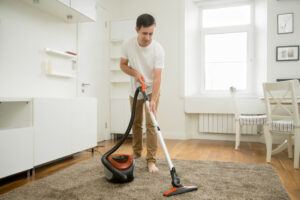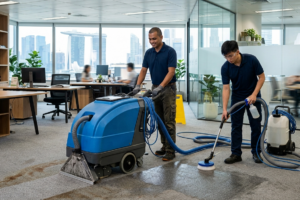
Many homes look neat on the top, yet carpets and sofas hide deep dirt that people do not see. Dust, crumbs, and tiny living things settle into soft fibres each day. Over time, these hidden particles grow and spread across indoor spaces. As a result, the air inside the home feels heavy and may cause breathing trouble. Many families in Singapore now explore carpet cleaning service in Singapore options to grasp this issue better. When people ignore carpets and upholstery, they let harmful elements stay close to daily life. This blog shows how these hidden dangers affect health and indoor air. These risks often grow fast without any clear warning.
What Lurks Inside Carpets And Upholstery
Carpets and sofas act like large sponges. They gather dust, dirt, food bits, pet hair, and many tiny organisms. Each step on a carpet pushes these particles deeper into the fibres. Over time, the material holds more harmful matter. This hidden build-up quietly harms the living space inside. Dust mites live in warm and soft places. Carpets give them a perfect home. These tiny creatures feed on dead skin and grow fast. Many people do not notice them, yet they harm health in serious ways. They spread fast and stay hidden from plain sight.
Mould spores settle into damp carpets. When moisture enters the fibres, mould begins to grow. This growth spreads and sends harmful particles into the air. It can also damage surfaces and weaken indoor hygiene.
Why Soft Surfaces Trap More Harm
Hard floors allow easy cleaning. In contrast, carpets grip particles tightly. Upholstered furniture also locks dirt inside cushions and fabric layers. This makes it hard to remove harmful elements without proper care. Dirt stays trapped and builds up over long periods.
People often think vacuuming solves the problem. However, basic cleaning clears only surface dust. Deep layers still hold allergens and bacteria. These layers stay hidden and continue to affect health.
The Impact Of Dust Mites On Health
Dust mites appear harmless because they exist as tiny creatures which most people fail to detect. However, they trigger strong allergic reactions in many people. The waste particles from these organisms spread through the air, which people inhale to enter their bodies. The reactions create disruptions that interfere with people’s regular activities and their ability to sleep peacefully.
Common Health Problems Caused By Dust Mites
- Sneezing and a runny nose
- Itchy eyes and throat
- Skin irritation
- Asthma symptoms
People from older generations and children under five develop these medical conditions at a higher rate than other groups in society. The home environment, which ignores carpet maintenance, tends to produce a rising number of health-related problems. Medical problems begin to appear after enough time passes when patients fail to obtain suitable medical care.
How Dust Mites Spread Indoors
The dust particles become airborne whenever someone moves across a carpeted surface. Walking, sitting, or lying down releases these allergens. The dust particles travel through the air until they reach different rooms, where they land on multiple surfaces. The process continues to repeat itself, which causes indoor spaces to maintain their polluted atmosphere. The need to reduce carpet dirt exposure has led many families to seek professional carpet cleaning services like Bee Cleaning, which also helps them maintain better home environments.
Allergens Trapped In Carpets And Their Effects
Carpets hold many allergens beyond dust mites. These include pollen, pet dander, and bacteria. These particles enter homes through shoes, clothes, and open windows. They settle deep and stay for long periods inside.
How Allergens Affect Breathing
When allergens enter the lungs, they irritate the airways. This leads to coughing, wheezing, and shortness of breath. People with asthma face stronger reactions. Breathing becomes hard and affects daily comfort and activity.
The issue grows in closed indoor spaces. Poor airflow lets allergens stay trapped inside. This makes indoor air feel heavy and unsafe over time.
Why Allergens Stay Hidden For So Long
Carpet fibres act like nets. They catch particles and hold them tight. Over time, layers of allergens build up without clear signs. These layers remain unseen and continue to affect health daily.
This explains why many people search for allergens trapped in carpets to understand hidden risks in their homes. This knowledge helps people take better care of their living spaces.
Upholstery And Its Silent Role In Indoor Pollution
Sofas, chairs, and cushions gather dust just like carpets. People spend many hours sitting on these surfaces. This raises direct contact with hidden dirt. This contact increases the risk of exposure during daily routines.
Food crumbs and spills settle into upholstery. These attract bacteria and pests. Over time, the furniture turns into a source of indoor pollution. This pollution spreads and affects air and surface quality.
Health Risks Linked to Upholstery
- Skin irritation from bacteria
- Breathing issues from dust
- Unpleasant smells that affect comfort
People understand that sofa cleaning services in Singapore help them preserve their home environment through proper upholstery maintenance. The awareness process enables people to identify concealed contaminants that exist in their environments.
Indoor Air Quality and Hidden Pollution Sources
The quality of air inside buildings directly impacts human well-being because it determines the health status of all occupants. People can breathe easily when they receive clean air because it creates an environment that supports their comfort. The air becomes contaminated because carpets and upholstery emit the particles that they have previously absorbed. The release of these substances creates an environment that damages the quality of the air that people breathe when they stay inside enclosed spaces.
How Dirty Carpets Affect Air Quality
Each step on a carpet sends dust into the air. This creates a cycle where pollutants keep moving around the home. This cycle repeats and spreads particles across every room.
Poor air leads to:
- Headaches
- Fatigue
- Breathing discomfort
Families often explore the benefits of carpet cleaning services in Singapore to reduce these issues and improve indoor air quality. This step helps create a fresher and safer environment.
The Role Of Moisture And Mould Growth
Moisture brings serious problems for carpets and upholstery. Spills, humidity, and leaks allow mould to grow inside fibres. This growth spreads and harms indoor surfaces and air quality.
Signs of Mould in Carpets
- Musty smell
- Dark patches
- More allergies
Mould sends spores into the air. These spores harm the lungs and trigger illness. They spread fast and affect breathing over time.
To prevent this, many people learn about upholstery cleaning in Singapore as part of regular home care. This step helps control moisture and reduce mould risks.
How Often Should Carpets Be Cleaned in Singapore?
Are you in a dilemma about how often carpets should be cleaned in Singapore? Cleaning depends on lifestyle and environment. Homes with pets or children need more care. High foot traffic also raises dirt build-up. Regular care keeps carpets cleaner and safer for use.
- General Cleaning Guidelines
- Vacuum each week
- Deep clean every few months
- Clean spills at once
Many residents ask how often carpets should be cleaned in Singapore to keep a healthy indoor space. This helps them follow proper cleaning routines at home.
Why Regular Cleaning Protects Health
Regular cleaning clears hidden dirt and harmful particles. It improves air quality and reduces allergy risks. This helps create a safer and cleaner living space.
Key Health Benefits
- Cleaner air
- Fewer allergens
- Less breathing trouble
People often turn to professional carpet cleaning to reach deeper results that simple cleaning cannot give. This method removes dirt from deep layers of fibres.
Practical Steps To Reduce Indoor Pollution
Simple actions help reduce risks from carpets and upholstery. These steps support better indoor air and daily comfort.
Easy Habits For A Cleaner Home
- Remove shoes before entering
- Clean spills at once
- Keep rooms ventilated
Use proper cleaning methods
These steps support better indoor air and reduce harmful exposure. They help maintain a cleaner and safer living space.
The Growing Awareness Of Carpet Hygiene
More people now understand the impact of dirty carpets on health. They seek knowledge about cleaning and care. This awareness grows as people learn about hidden risks. This shows how people link cleaning with better health, even when they do not focus on sofa cleaning services in Singapore. This name reflects growing attention to cleaner indoor spaces.
Understanding the benefits of carpet cleaning services in Singapore helps families make wise choices about home care. This knowledge supports better habits and healthier environments.
Long-Term Effects Of Neglecting Carpets
Ignoring carpets leads to long-term health problems. Dust, allergens, and bacteria build up over time. This build-up affects both health and indoor comfort.
Possible Long-Term Issues
- Long-lasting allergies
- Asthma growth
- Poor sleep due to breathing trouble
Learning about allergens trapped in carpets helps people see why regular care matters. This understanding helps prevent serious health problems later.
Creating A Healthier Living Space
A clean home supports both body and mind. Fresh air and clean surfaces bring comfort and safety. The benefits of carpet cleaning service in Singapore improve daily living and overall well-being.
Steps Towards Better Indoor Health
- Keep regular cleaning habits
- Focus on hidden areas
- Watch the air quality
Many people explore upholstery cleaning in Singapore to keep furniture safe and clean. This helps maintain a healthy and comfortable home environment.
Conclusion
Most people fail to grasp how carpets and upholstery impact the health of their indoor spaces. The fibres of these materials collect and hold dust particles together with allergens, bacteria, and moisture. The secret components that exist in our environment create negative effects on human breathing, skin health, and our overall feeling of well-being. Families who learn about these dangers can establish basic protective measures to safeguard their residential environment. People need to check their regular home maintenance activities because these tasks help them avoid dangerous environmental risks. Clean carpets and furniture support better air and healthier living. People who maintain these secret spaces produce environments that protect everyone who uses them.