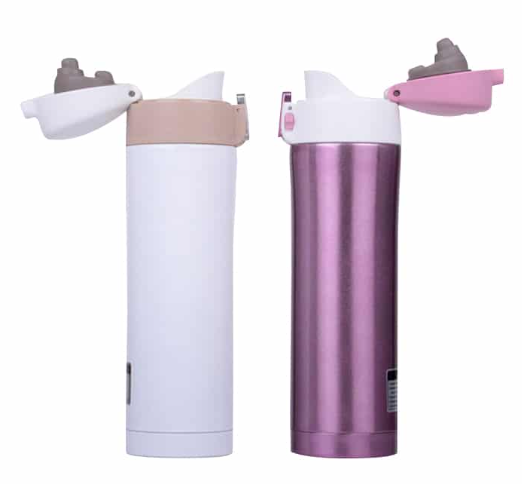
Every school morning begins with a routine. Uniforms pressed, snacks packed, and bottles filled. In Singapore, where heat and humidity shape daily life, a good thermal bottle becomes more than an accessory—it becomes a daily essential. The right bottle doesn’t just carry drinks. It keeps water cool, soups warm, and fruit teas fresh.
Parents want products that last through bus rides, playground drops, and long lessons. With more focus on health and sustainability, thermal bottles have earned a permanent place in school bags across the island. They play a small but powerful role in a child’s daily comfort and hydration.
What Makes a Thermal Bottle Stand Out?
Not all bottles are equal. Parents today look for smart, strong, and child-friendly features that match fast-paced school life. Some designs offer advanced lids that open with one hand, while others come with a shoulder strap or carabiner hook to clip onto bags.
Key Features to Check:
| Feature | Why It Matters |
| Insulation | Keeps drinks hot or cold for longer hours |
| Leak-Proof Cap | Prevents spills inside bags |
| Size and Weight | Fits in young hands, not too heavy to carry |
| Cleaning Access | Wide openings allow easy rinsing and brushing |
| Safe Materials | BPA-free, stainless steel, and food-grade plastics preferred |
Parents say the best thermal bottles for school kids Singapore brands that use stainless steel with secure caps. These keep drinks fresh without leaks or odour build-up. Some come with built-in straws or flip lids, which reduce mess and help kids drink more water during the day.
Why Singaporean Parents Choose Thermal Bottles?
In a country with outdoor play, long school days, and warm weather, hydration matters. Teachers remind students to sip often. When water turns warm and stale, kids stop drinking. That’s where a proper thermal water bottle Singapore option helps.
Thermal bottles keep cool water crisp even after hours. Some children fill them with soup, Milo, or herbal teas. Bottles support different meal habits, all in one durable design.
Parents also want a bottle that lasts. One good buy should last through years of schooling. It should resist dents, wear, and the occasional fall off a school table. Children may also use them during tuition, weekend outings, or after-school sports, making durability even more essential.
How to Match a Bottle to Your Child’s Age?
Children’s needs shift as they grow. A bottle that suits a six-year-old might frustrate a ten-year-old. Choose based on their habits, strengths, and independence.
Guide by Age Group
- Preschoolers (4–6 years): Choose lightweight models with handles and wide straws. Look for vibrant colours or cartoon patterns that they enjoy.
- Lower Primary (7–9 years): Medium-sized bottles (around 400–500ml) fit most school bags. Flip lids or button caps give them more control.
- Upper Primary (10–12 years): Older children prefer sleeker, minimalist bottles. Go for slim designs, often 600ml or more, that match their backpacks and style.
These age-based tips help reduce waste from bottles that kids outgrow or stop using. You’ll also avoid the trouble of replacing bottles mid-term when children feel unhappy with their current choice.
Durability Comes from Materials, Not Just Design
A bottle’s lifespan depends on what lies inside. Steel offers better insulation and strength than plastic. But all materials have pros and cons.
Quick Look at Material Types
| Material | Pros | Cons |
| Stainless Steel | Tough, safe, holds temperature well | Heavier than plastic |
| Plastic | Light, easy to carry | Less insulating, may stain |
| Glass | Pure, odour-free | Fragile, heavy for kids |
Most trusted bottles mix steel with silicone or plastic tops. They blend strength with comfort. Even handles and base pads play a role—some rubber bases reduce noise and prevent slipping on desks.
Easy Cleaning Builds Daily Habits
Even the best bottle won’t work if it’s hard to clean. Mould and smells grow fast in tight corners. Wide mouths help parents scrub bottles well. Removable parts allow drying. Some thermal bottles now come with included brushes or cleaning kits.
Older children can clean their bottles with guidance. Teach them early to rinse bottles at school and wash them fully at home. A bottle that stays clean also lasts longer. A weekly deep clean with warm water and a bottle brush helps prevent any residue build-up.
Safety First: What to Avoid
With so many choices, it’s easy to pick based on looks. But safety matters most.
Watch out for:
- Thin bottles with unclear materials
- Lids that trap moisture and smell
- Non-certified plastics with unclear origins
- Bottles with chipped paint or rust spots
Thermal bottles that pass health checks list their materials clearly. They also meet food safety standards. Look for labels that show BPA-free markings and stainless steel grades (like 304 or 316).
Why Durable Bottles Save Money and Reduce Waste?
Buying one high-quality bottle beats replacing five cheap ones. Durability helps families cut waste. Singapore’s green push also encourages parents to move away from single-use plastic.
Children who carry bottles every day also skip sugary drinks. They stay hydrated with water, tea, or soup. These small shifts shape better health choices long-term. A trusted bottle can become a child’s daily companion—used year after year without worry.
Thermal Bottles as Part of School Routines
For some families, bottles mean more than drinks. They help build daily habits—packing school bags, checking lunch, and remembering hydration. Teachers often include “bottle checks” during lessons or playtime. When children carry bottles they like, they sip more often.
Kids also feel pride when they choose their bottle. It becomes part of their identity, like a pencil case or backpack. Thermal bottles connect school and home routines in quiet ways. Subtly, they teach children to take care of their belongings and health.
Key Buying Tips for Parents
Before you shop, take note:
- Measure your child’s school bag to check the fit
- Ask your child about the lid styles they prefer
- Check school rules—some restrict glass or noisy lids
- Choose a spare lid or straw if available
- Read online reviews from other parents
- Look at how easy the bottle is to open with one hand
These steps help avoid frustration and returns.
Conclusion: What Makes a Bottle Worth It
Not every bottle earns trust. But parents across Singapore agree—a strong thermal bottle saves effort, money, and time. It keeps kids refreshed. It survives drops. It supports health.
In 2025, thermal bottles remain a simple tool that delivers big results. They protect drinks, protect kids, and even protect the planet. For Singapore’s students, hydration starts with the right bottle—and that bottle stays by their side through every subject, break, and game.