


White ants create an environment that leads to total home destruction by destroying the essential support systems that shield the building from damage. People start to understand the harm when their entryways become unusable, their ground surfaces develop sinking areas, and their building exterior shows signs of splitting. White ants pest control functions as the main defense system that protects all types of properties. Homeowners who run businesses from their property need to know pest behavior to protect their buildings from infestation spread. The guide shows readers how white ants get into buildings while teaching them to spot these insects and defend their homes against damage.
Understanding White Ants and the Risk They Pose
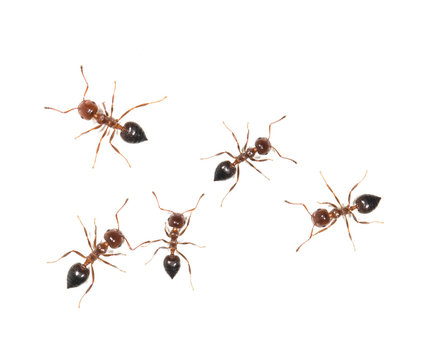
White ants, also known as termites, live in large social groups. The colony operates through three main groups: workers and soldiers, and a queen. The workers continue to chew through wooden materials and various objects containing cellulose. They never sleep. The insects create tunnels by cutting through wooden beams and floors, and even inside furniture.
Because they hide in walls and soil, you may not spot them at first. The process of wood decay begins when termites start hollowing out the inner sections of timber. The wooden components begin to lose strength as a result of this process. The combination of extreme weather conditions and structural problems leads to ceiling collapse and frame damage.
Why White Ants Thrive in Buildings
White ants chase three things:
- Moisture
- Warmth
- Wood or cellulose
Homes often give them all three. Leaking pipes, damp soil, and wooden frames invite them in. Once a colony settles, it multiplies fast. So, early action makes a strong impact.
Clear Signs of White Ant Infestation
You do not need tools to detect warning signs. If you stay alert, you can catch trouble early.
1. Mud Tubes Along Walls
White ants build thin mud tubes along walls and foundations. These tubes shield them from light and air. If you notice thin brown lines that look like dry soil, check them at once.
2. Hollow-Sounding Wood
Tap wooden surfaces with your knuckles. If the wood echoes or sounds hollow, white ants may have eaten the core. The surface may look firm, yet the inside may lie empty.
3. Discarded Wings
During the swarming season, young termites leave the nest. After landing, they shed their wings. Small piles of wings near windows or doors signal a nearby colony.
4. Tight Doors and Windows
White ants release moisture as they feed. This moisture can bend wood. As a result, doors and windows may stick or refuse to close with ease.
When you see any of these signs, act at once. Delay lets the colony spread and deepen the harm.
Why Early Action Matters
White ants chew without pause. A full colony may hold hundreds of thousands of termites. Each one bites wood day and night. Over time, repair costs can rise far beyond prevention.
Most insurance plans do not cover termite damage. This leaves owners to bear the repair costs. So, prevention and regular checks form a smart defence.
How White Ants Pest Control Works
A strong plan begins with inspection. Skilled professionals inspect foundations, roof spaces, subfloors, and gardens. They search for mud tubes, damaged timber, and damp zones.
After inspection, they choose a pre construction termite treatment method. The method depends on the termite type and the level of damage.
- Soil Treatment
Technicians treat the soil around a building with termiticide. This step builds a protective barrier. When termites cross the treated soil, the chemical spreads through the colony. Over time, the colony weakens and collapses.
- Baiting Systems
Bait stations sit in the ground around a property. Termites feed on the bait and carry it back to their nest. The active ingredient then spreads among colony members. This method strikes the whole nest.
- Direct Wood Treatment
In some cases, specialists treat damaged wood with protective products. These products soak deeply into timber, blocking further feeding.
Each method strengthens a full white ants pest control plan. The aim goes beyond killing visible termites. The aim targets the nest itself.
The Role of Pre-Construction Planning
Protection should begin before builders lay the first brick. Builders and owners can cut risk through careful planning.
Many projects include pre-construction termite treatment at this stage. This treatment lays a barrier beneath the slab and around the foundation before the structure rises. Because the soil remains open, technicians apply termiticide with full reach.
As a result, the building gains firm protection from the ground up.
Why Pre-Construction Measures Offer Strong Defence
When you apply pre construction termite treatment, you block entry paths before termites invade. The barrier seals hidden routes beneath floors and walls. This early step often works better than treatment after infestation.
Building codes in many areas demand termite protection during construction. Following these rules guards both the property and the people who live inside.
Preventive Steps Every Property Owner Should Take
Professional treatment forms the main shield. Yet you can lower risk with simple actions.
-
Reduce Moisture Around the Building
Your building will develop higher humidity levels when you fail to repair its dripping plumbing systems. Your building’s drainage system will fail when its gutters become obstructed. The water needs to move away from the building base to protect its foundation. White ants establish their nests in soils that contain moisture; therefore, they will abandon areas that have dry soil.
Store Wood Away from Walls
Store your firewood, timber, and cardboard materials at least 3 feet away from all outside walls. Termites find these items attractive
- Maintain Good Ventilation
Let air flow beneath floors and through roof spaces. Fresh air cuts moisture build-up.
- Schedule Regular Inspections
Even if you spot no signs, arrange routine checks. Inspections uncover hidden colonies before they cause deep harm.
When you pair these steps with professional white ants pest control, you build a layered shield.
Environmental Considerations in Termite Control
Modern termite control methods balance safety and strength. The process of applying termiticides requires licensed technicians to follow all established rules that govern their work. They measure each dose with care and protect the surrounding areas from harm. Systems that use baiting techniques operate with minimal amounts of active ingredients to achieve their goals. Termites’ social behavior allows a tiny amount of poison to reach every member of their colony through their food-sharing practices. The method restricts the amount of chemical substances that people need to use for their work.
Property owners who develop structured treatment plans protect their residential properties and the natural environment around their homes.
Long-Term Maintenance and Monitoring
Termite protection does not end after treatment. Soil shifts. Gardens change. Small cracks appear. Ongoing monitoring keeps the shield firm. Technicians check bait stations and refill them when needed. Soil barriers may need to be renewed after some years. Regular follow-up visits keep the defence strong. A long-term plan turns termite control into a steady guard.
Final Thoughts
White ants create hidden danger. They chew timber in silence and weaken structures from within. Yet property owners can outthink them through knowledge and action.
By spotting early signs, cutting moisture, and using structured protection plans, you defend your home or business. Careful planning during construction, including pre construction termite treatment, builds strength from the soil upward.
In the end, clear action keeps your property firm, safe, and free from unseen damage.
Protect your investment for decades.
FAQs
1. How often should I inspect my home for white ants?
Arrange a professional inspection at least once each year. In high-risk areas, book checks every six months.
2. Can white ants damage brick houses?
Yes. White ants travel through soil and slip through small cracks. They attack timber inside brick homes, such as frames and floors.
3. Is white ants pest control safe for families and pets?
Licensed professionals follow safety rules when they apply treatments. When used as directed, modern methods pose low risk to people and pets.
4. What is the difference between treatment during and after construction?
Treatment during construction builds a barrier before the structure stands. Post-construction treatment protects existing buildings and may require drilling or trenching around the property.