

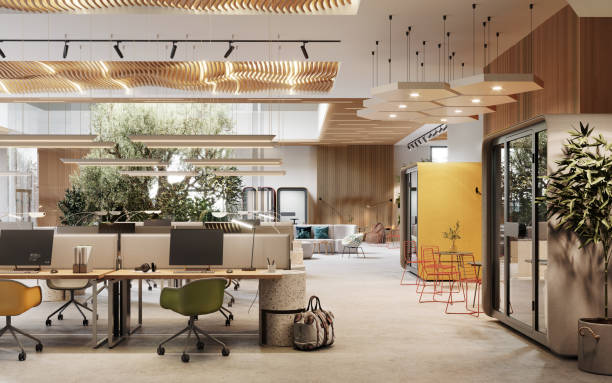
Every modern workspace in Singapore tries toward calmer layouts that help people think clearly to work with steady energy. Where teams grow stronger in rooms that clear clutter with spark order. Also, office interior design drives this shift to guide how people move to connect. Each clean texture, warm colour, also roomy path create workplaces that feel balanced also alive. Each, these choices helps teams focus, share ideas, to guard their energy. Even minimalist style invites clarity to give every corner a clear role without noise or stress.
The Rise of Minimalism in Workspaces
Each minimalism clears visual noise to sharpen attention. Moreover, corporate interior design in Singapore offices now follows layouts that tighten clutter to also improve flow. As a result, the approach cuts excess with a stronger impact.
- Clear zones guide movement
- Soft tones steady the mind
- Simple furniture frees space.
Space Planning That Supports Focus
Therefore, good layouts steer teams with ease. In addition, open zones bring air with motion, while work clusters keep groups close. Together, this balance gives people room to think.
- Defined work clusters
- Roomy paths
- Calm breakout corners
Zoning for Work and Rest
Similarly, zones shape how people shift from one task to another. Especially, work zones fuel thinking. Even rest zones soften stress. In short, meeting corners create teamwork moments without noise.
Flow That Helps Teams Move
Each clear routes help teams move fast. Even straight paths link desks, meeting corners, to support areas. Also, good flow cuts delay to keep energy strong.
Materials That Ground the Look
So, natural textures strike a balance also build warmth. For example, timber brings life, glass widens sightlines, with stone gives weight to calm. Overall, these materials work together without crowding the space.
- Timber panels
- Matte metal frames
- Smooth stone counters
Natural Surfaces That Enrich
So, timber trims with stone counters help teams feel grounded. Each glass walls widen the room to spark openness. This mix invites comfort without clutter.
Finishes That Keep Order
Eventually, simple finishes help the room shine. Also, matte frames, soft fabrics, with smooth surfaces cut visual tension. Each teams enjoy an environment that keeps their minds clear.
Lighting That Shapes Mood
Also, lighting lifts the spirit of a workspace. In fact, natural light gives strength to help people think. Meanwhile, warm fixtures add comfort to build harmony during long hours.
- Large windows
- Soft overhead lamps
- Focused desk lights
Daylight That Boosts Rhythm
Also, large windows draw in the sun even give teams a sense of space. Even sunlight steadies mood with helps focus. Rooms glow with simple brightness.
Task Lights That Sharpen View
Each desk lamps guide attention to important work. In short, clean beams help teams read, draw, to plan with ease.
Culture That Shapes Work Habits
Local teams often mix quiet focus with group tasks. Because of this, this mix calls for rooms that shift fast yet stay tidy.
Spaces That Support Team Rhythm
Teams need spots for chats, private calls, and deep work. Designers shape rooms that match this rhythm and help people stay on track.
Comfort That Builds Strong Work
Comfort fuels strong output. Soft seats, warm colours, and steady light keep people engaged. Clutter-free rooms help teams feel safe and centred.
Minimalist Layouts for Local Office Culture
Leaders in Singapore choose compact setups that still feel roomy. At the same time, minimalist office interior design in Singapore ideas cut clutter and spotlight purpose. In the end, these rooms hold only what matters, which brings order and peace.
- Streamlined desks
- Hidden storage
- Flexible meeting zones
Storage That Stays Out of Sight
Hidden storage keeps rooms neat. In addition, drawers, shelves, and built-in cupboards tuck tools away. As a result, clean surfaces help people think without strain.
Smart Shelving That Cuts Mess
Slim shelves hold key items and guide the eye upward. This corporate interior design in Singapore creates height and adds space. Simple handles and clean lines keep the room calm.
Built-ins That Shape the Room
Built-in units grip the walls and cut the need for large cabinets. This opens floor space and boosts movement.
Furniture That Supports Movement
Furniture shapes the flow of an office. Moreover, streamlined desks, firm seats, and simple tables keep the space open. In turn, the room grows more useful and easier to move through.
Desks That Free the Mind
Simple desks steady focus. Wide surfaces help people spread work without clutter, while slim legs keep the space wide.
Seats That Lift Posture
Seats matter. Firm bases and clean frames support good posture through the day. Straight backs help people sit strong and work with ease.
Colours That Build Calm
Colour guides mood. In addition, soft tones build stillness, while natural shades warm the room. Together, these colours blend and shape a backdrop that supports steady thoughts.
Neutral Shades That Set the Base
White, sand, and grey make the space feel open. These tones soften visual weight and help the eye rest.
Earthy Tones That Add Depth
Brown, clay, and olive add depth and character. These shades warm the room without drawing attention away from the work.
Technology, Tools, and Workplace Flow
Modern offices rely on good tools and well-planned placements. Tech sits within reach but does not drown the room. Cables, screens, and chargers slip into hidden corners.
Cable Systems That Keep Surfaces Clean
Cables clutter quickly. Designers hide them under desks and behind panels. Clean wiring builds clear surfaces and strong flow.
Ports That Stay Handy
Teams plug in often, so ports stay near desks and meeting corners. This cuts down the delay and helps the team shift tasks with ease.
Human-Centred Minimalism
A minimalist office interior design in Singapore cannot ignore people. For this reason, good design lifts morale and gives people room to breathe. In the same way, light, colour, flow, and texture work together to support human needs.
Work Zones That Respect Comfort
Seats, desks, and lighting shape comfort. Teams work better when they feel grounded. Clean lines and simple surfaces help them settle.
Calm Spots That Heal Stress
Breakout corners help people rest and reset. Soft benches and warm tones turn these corners into good places to breathe.
Conclusion
Modern firms in Singapore choose interiors that lift focus and grow unity. Thoughtful layouts steer workers with purpose and give them space to rise through each task. Office interior design fuels this rise and turns daily work into a smoother path. Clear lines, warm materials, and simple shapes create rooms that serve people and their goals. A minimalist mindset keeps the workplace open, tidy, and ready for fresh ideas without clutter or strain.
Frequently Asked Questions
Q 1: What makes a minimalist office design effective?
A minimalist office works well when the space stays clear, tidy, and easy to walk through. Simple furniture, soft colours, and hidden storage spark focus and help people cling to their tasks through the day.
Q 2: How does minimalism improve workplace productivity?
Minimalism clears clutter that distracts people. Clear paths, calm colours, and tidy desks steady the mind and help teams shift tasks with ease. This creates a work setting that boosts strong output.
Q 3: Can a minimalist office still feel warm and inviting?
Yes, it can feel warm when you use natural textures, soft tones, and balanced lighting. These elements fill the room with comfort without crowding it, so the space stays simple and welcoming.
Q 4: What elements should I include in a minimalist workspace?
You can choose streamlined furniture, hidden storage, natural materials, and good lighting. These choices shape a clean, calm room that gives people space to think, meet, and work with ease.
Also Read: Restaurant Interior Design Styles That Match Different Cuisine Types