


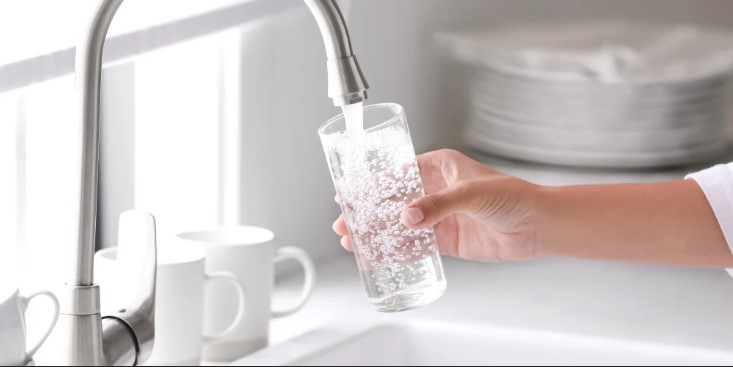
Choosing the right water system shapes the health of your whole home. Filtered and purified options each bring their strengths, but you need to see their differences before you spend. When you pick a water dispenser Singapore families can trust, you should weigh how it works, how often you care for it, and how much it costs over time. Each type changes water in its way, affecting taste, safety, and daily use. With clear facts, you can choose a system that gives you clean, steady water without straining your budget.
Understanding the Basics of Water Systems
Grabbing up the water filter or purifier sounds too easy, but it is not that easy, you think; first, you need to know the difference between these and identify your needs. Singapore’s tap water meets strict safety rules, yet many families still improve it to lift the taste, clear the smell, or gain peace of mind..
Why Water Treatment Matters
Treated water can pass from the different pipes or tanks before reaching your tap. By moving from different pipes or tanks, it can contain some odd smells, strange tastes, or specks while moving through pipes. Treatment systems brighten the flavour, sweep out unwanted bits, and give extra peace of mind.
How Filtration and Purification Differ
Filtration traps dirt, rust, chlorine, and some chemicals. Purification drives deeper, removing nearly every impurity – even invisible germs and dissolved metals.
What Makes Filtered Water Different
Filtered systems strain dirt, rust, and certain chemicals through a fine mesh or carbon layer. They keep helpful minerals in the water, which makes it taste bright and natural.
Key points:
- Strains out visible dirt and some chlorine
- Keeps healthy minerals
- Needs simpler care than purification
How Filtered Systems Work
Most use activated carbon, ceramic, or fibre filters. Water flows through these layers, which snare unwanted matter. The process runs quickly and often works without electricity.
Benefits of Filtered Water
- Holds on to a fresh, clean taste
- Keeps calcium and magnesium for strong bones and muscles
- Fits well in small kitchens or work areas
What Sets Purified Water Apart
A water purifier removes almost every impurity using methods like reverse osmosis, UV light, or distillation. This leaves water with very low mineral content.
Key points:
- Wipes out bacteria, viruses, and dissolved solids
- Produces near-pure water
- Can strip out minerals with the impurities
Common Purification Methods
- Reverse Osmosis (RO) – pushes water through a tight membrane that blocks even the tiniest contaminants.
- UV Treatment – uses strong ultraviolet light to kill germs.
- Distillation – boils water, captures the steam, and leaves behind the unwanted matter.
Benefits of Purified Water
- Shields people with weak immunity
- Ideal for cooking certain foods or mixing baby formula
- Lowers the risk from dangerous microbes
Comparing Costs and Savings
Both systems demand care, yet their costs differ. Filtered systems often cost less to keep running. Purifiers can drain more money because of their advanced parts and power needs.
Things to consider:
- How often must you replace filters or membranes
- Energy use for RO or UV systems
- Cleaning tools and service visits
Long-Term Investment View
A low-cost system at the start may still chew through your budget if parts wear out often. A higher-cost system may reward you if it lasts longer or prevents health troubles.
The Maintenance Factor
- Filters: Replace every 3–12 months
- RO membranes: Swap every 1–3 years
- UV bulbs: Change once a year for top results
Water Quality in Your Home
Water at your tap may not match the quality at the treatment plant. Pipes, tanks, and old fittings can change it before it reaches you.
Test Before You Buy
Check your water so you know what it holds. This helps you decide whether you need simple filtration or full purification.
Signs You Might Need More Treatment
- Bitter or odd taste
- Cloudy water or floating bits
- Stomach or skin problems after drinking water
Environmental Impact
Your water purifier choice not just shapes your health budget or the taste of water, but also the planet.
Energy Use and Waste
Filtered systems run without electricity in most cases and make little waste. RO systems can spill some water during treatment. UV systems need steady power to work.
Eco-Friendly Choices
- Use reusable filter housings.
- Recycle or return old filters.
- Choose low-waste designs when possible.
Which One Should You Choose
Pick based on your water’s starting point, your taste needs, and your health concerns.
Quick guide:
- Choose filtered for everyday use and lower upkeep
- Choose purified water for high-risk water sources.
- Test your water before you decide.
For Families with Young Children
Purified water offers extra safety for baby formula. Some parents choose filtered water to keep the natural minerals.
For People with Health Conditions
Those with fragile health often gain from purified water, which removes germs and dangerous metals.
Tips to Save More Money
- Compare filter life before buying
- Pick a system that matches your home size.
- Avoid treating water more than needed.
- Service your system on time to stop costly repairs
Myths About Water Systems
Wrong ideas can lead to poor choices. Clearing them up helps you spend wisely.
“Filtered Water is Always Safer”
Not true. Filters cannot block every virus or metal trace.
“Purified Water Has No Benefits”
Not correct. Purification can be vital in places with water risks or for those with low immunity.
Protect Your System Every Day
Your water filter system gives its best when you care for it often. Steady upkeep helps it stay strong, stops sudden breakdowns, and keeps every glass tasting crisp and clean.
Simple Steps for Lasting Performance
Give your system the right care, and it will serve you well for years. Small, regular actions can guard its parts and keep water safe.
Tips:
- Swap filters or membranes on time to keep water pure.
- Wipe the nozzle and outer shell to chase away germs.
- Run fresh water through the system after long breaks.
- Keep spare filters in a cool, dry spot to hold their strength.
Final thought
Good drinking water feeds your body and keeps your mind at ease. The choice between filtering and purifying should match your family’s needs, water quality, and budget. A water dispenser Singapore households depend on must give safe water and work well every day. Look at the minerals it keeps, the germs it removes, and the care it needs. This helps you choose the right one. A wise choice protects health, saves money, and gives you fresh water you can pour with pride, day after day.
Also Check: Common Mistakes People Make When Choosing Water Systems
AmGlow is a leading provider of innovative water solutions, committed to enhancing well-being and convenience
📞 Call us at +65 87902885 / +65 90217520
📧 Email us at sharon@amglow.com
🌐 Visit: amglow.com