Cloud kitchens are growing fast. They focus only on preparing food for delivery. With no dining space or front-of-house staff, everything depends on how fast and well the kitchen team works. Time is tight. Orders must go out fresh, on time, and without mistakes.
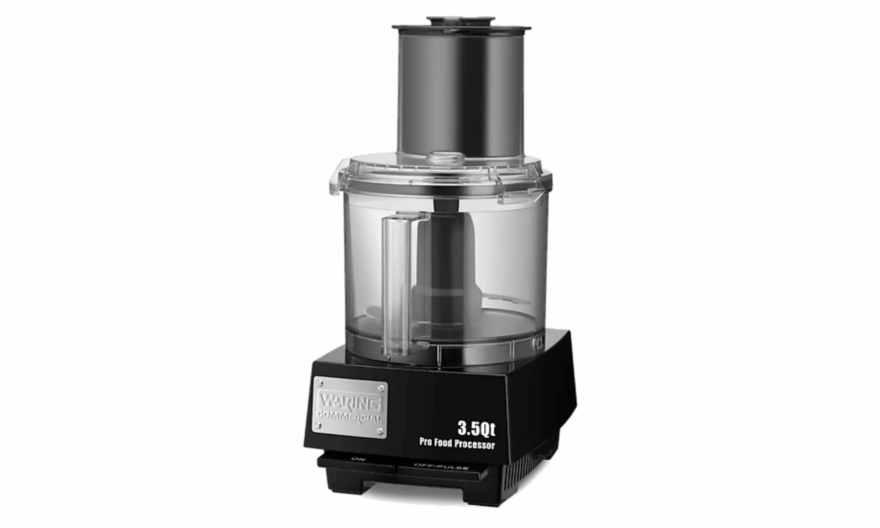
To manage all this, cloud kitchens rely on tools that boost speed and reduce effort. One of the most useful tools is the commercial food processor. It helps save time on food prep, cuts labour costs, and keeps food quality steady.
From chopping and slicing to mixing and blending, this machine handles it all. In this post, we’ll look at how cloud kitchens save hours daily by using the right food processor for cloud kitchen operations and why it has become a must-have tool.
What Is a Cloud Kitchen?
A cloud kitchen is a kitchen made for delivery only. It does not serve food in-house. Customers place orders online. Food is made, packed, and sent out. That’s it.
Cloud kitchens need to move fast. They must cook, pack, and send food out in minutes. A delay can lead to cold food or poor reviews. So, everything in the kitchen must support speed and control. One tool that helps do this well is a food processor for cloud kitchen operations.
Why Time Is a Big Deal
Cloud kitchens depend on time. If they are slow, they lose orders. If they rush without the right tools, food suffers. A commercial food processor helps avoid both problems.
It saves time on food prep. It also helps keep the kitchen neat, clean, and calm during busy hours.
How a Food Processor Helps Save Time
Let’s look at where most of the time goes in a cloud kitchen—prep work. Chopping onions, slicing tomatoes, shredding cabbage, mixing sauces, kneading dough. All this can eat up hours. One chef may need to spend over two hours just on prep.
But a commercial food processor can cut this time down to 30 minutes or less.
Here’s how:
Chopping
It chops big loads of veg in seconds. You can go from whole onions to fine dice in one go.
Slicing
Need thin cucumber slices for wraps? Or tomato slices for burgers? The machine gives clean, even cuts every time.
Grating
Grating cheese, carrots, or beetroot takes time by hand. A processor does it fast and keeps it even.
Mixing
Need dough or thick batter? The processor can mix it well with no lumps and less mess.
Blending
Sauces and purees need smooth texture. The processor helps make it smooth without extra steps.
Each of these steps takes less time with the right tool. This means the team can work on more orders, better food, and clean-up.
Real Results: Time Saved Each Shift
Let’s break it down:
- Chopping veg: Save 40 to 50 minutes
- Grating cheese or veg: Save 20 minutes
- Mixing dough: Save 15 minutes
- Purees and sauces: Save 10 to 15 minutes
That’s more than 90 minutes saved in one shift. Every day.
More Than Just Speed
A food processor for cloud kitchen operations does more than cut time. It helps the whole kitchen run better.
Fewer Staff Needed
Less manual prep means fewer hands needed for each task. One chef can now do the job of two.
Less Risk
Sharp knives and long hours cause cuts. With a food processor, these risks drop.
Less Waste
The processor gives even cuts. This helps food cook better and faster. Less burning, less throwing away.
Easy to Clean
Most food processors come with parts you can wash quickly. Some even go in the dishwasher.
Steady Results
Every sauce, every slice looks the same. This keeps food quality steady. Customers know what to expect.
What To Look For in a Good Processor
Not all food processors are built for cloud kitchens. You need one that fits the load and speed of daily work. Here are five key things to look for:
1. Size
Pick a size that fits your kitchen. If you handle large batches, get a bigger bowl and a strong motor.
2. Blade Types
You should be able to swap blades for different tasks—slicing, chopping, grating, kneading.
3. Strength
The motor must be strong enough to run for hours. Weak motors slow down your team.
4. Simple Controls
The machine should be easy to use. No long manuals or tricky steps.
5. Easy Clean-Up
Parts should come off and go back on fast. This saves clean-up time.
One Machine, Many Jobs
A food processor replaces many tools. You no longer need a chopping board, knives, graters, or whisks for each task. Just one machine can do it all.
This is a big plus in cloud kitchens where space is small and the staff is always on the move.
Saving Time Means Making More
Every minute saved gives your team more time to take new orders, try new dishes, or check quality. You also cut labour costs and reduce stress.
In fact, some cloud kitchens have reported faster shift turnover, better reviews, and fewer delays—all because they used the right food processor.
No More Guesswork
When you rely on people for every task, you risk mistakes. With a machine, you set the speed and style and get the same result every time. That helps new staff learn quicker and reduces pressure on your top chefs.
Final Thoughts
Cloud kitchens must move fast to succeed. Every delay can affect food quality, delivery time, and customer trust. A commercial food processor helps cut prep time, reduce mistakes, and lighten the workload. It replaces many manual tasks with one simple, powerful machine.
For cloud kitchens, this means faster service, better results, and fewer problems. Using a food processor for cloud kitchen operations not only saves hours each day, but also supports better planning and smoother teamwork. In a fast-paced kitchen, even small gains matter.
This tool brings real value—saving time, cutting waste, and keeping food standards high. If you want your cloud kitchen to grow, choosing the right food processor could be the best step forward.
Read also – How Do I Pick the Right Chest Fridge Freezer in Singapore?