

Modern manufacturing needs parts that fit perfectly and work without fail. A tiny error in measurement can ruin an entire production run. This is why industries turn to advanced methods for making components. The need for exactness has grown with each passing year. Machines now produce items that were once impossible to make by hand.
One method stands out for its ability to deliver consistent results. CNC parts machining uses computer controls to guide cutting tools with remarkable accuracy. This process removes material from a solid block to create finished pieces. The technology follows digital instructions that leave no room for guesswork. Makers rely on this approach for everything from medical tools to car parts.
What Is CNC Machining?
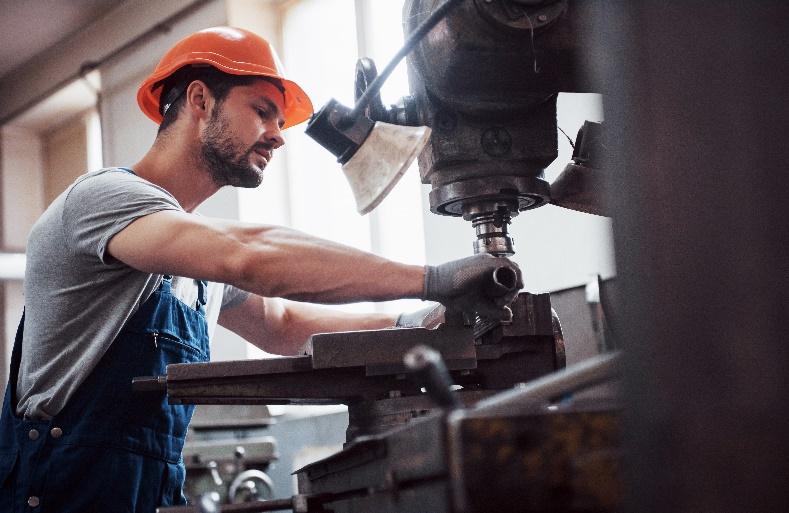
CNC means computer numerical control. This system takes a digital design and turns it into a real object. The machine follows a set of programmed commands to shape raw materials. These commands control speed, position, and how deep the cuts go. The whole process runs without anyone touching the controls.
This technology works with metals, plastics, and composites. Each material needs specific cutting settings for the best results. The machine adjusts its actions based on the material’s properties. This flexibility makes the system useful across many fields. Production runs can be small or large with equal success.
Why Precision Matters
Precision decides whether a part works as intended. A part that is off by a hair’s width can cause system failures. This becomes very important in areas like aerospace and healthcare. The room for error in these fields is extremely small.
Accurate machining reduces the need for extra finishing work. Parts come off the machine ready to use. This saves time and cuts down on production steps. The final product works better because every measurement matches the design.
What Affects Machining Accuracy
Many things come together to achieve high precision. Each factor plays a part in the final result. Knowing these helps makers keep quality steady.
1. Machine Setup
The equipment must hold its settings over time. Regular checks ensure the machine stays within set limits. Calibration lines up all moving parts to work together. This step prevents drift that could affect product size.
2. Tool Choice
Cutting tools wear down with use. The right tool material makes tools last longer and stay sharp. Coated tools reduce friction and heat during cutting. Good tool shape also helps create better surface finishes.
3. Material Type
Different materials react differently to cutting forces. Some metals expand with heat more than others. The machine must account for these changes. Knowing the material behaviour helps set the right cutting settings.
How Software Helps
Software turns design ideas into machine instructions. CAD models give the visual picture of the part. CAM software then creates the tool paths for cutting.
The software runs a test of the whole machining process before cutting starts. This virtual test finds possible problems early. Changes can be made without wasting material. The test also shows how long machining will take.
Updates to software bring new abilities to the workshop. Better programs create smoother tool paths and faster cutting cycles. The software also watches tool wear and suggests when to change tools.
Where Machining Is Used
Many fields benefit from precision machining. Each industry has its own needs. The technology adapts to meet these different requirements.
1. Aerospace
Aircraft parts need extreme accuracy. Engine pieces must handle high heat and stress. Turbine blades need complex shapes with tight limits. The industry relies on machining for safety-critical parts.
2. Medical
Surgical tools and implants need perfect fits. The human body does not accept poorly made devices. Joint replacements must move smoothly without causing pain. Machining creates these parts with great consistency.
3. Automotive
Car engines use many machined parts. Transmission pieces must fit together for smooth operation. Brake system parts need reliable performance. The industry values machining for its repeatability.
How Precision Reduces Waste
Accurate machining uses material more wisely. Parts come out correct on the first try. This reduces scrap and lowers material costs.
The process also saves energy by avoiding rework. Each part moves through production without delays. This makes the whole manufacturing flow smoother. Less waste means a smaller impact on the environment.
Common Problems and Fixes
Machining sometimes faces issues that affect quality. Knowing these problems helps stop them.
1. Worn Tools
Cutting tools lose their sharp edge over time. This leads to poor surface finish and wrong sizes. Regular tool checks catch wear before it affects parts. Replacement schedules keep production running well.
2. Machine Shake
Machine vibration causes poor surface quality. It also shortens tool life by a lot. Good machine setup reduces vibration effects. Strong fixtures and balanced tools also help control this issue.
3. Heat Build-Up
Cutting creates heat that affects material properties. Too much heat can warp thin-walled parts. Coolant systems manage temperature during cutting. The right feed rates also reduce heat production.
The Role of Machine Care
Well-cared-for machines produce better parts. Regular upkeep keeps equipment in top shape. This is where machinery repair services become valuable. These services extend machine life and keep accuracy high.
1. Regular Checks
Scheduled checks find issues before they cause downtime. Lubrication keeps moving parts working smoothly. Belt and bearing changes prevent sudden failures. This approach saves money over time.
2. Fixing Problems
When issues arise, quick diagnosis matters. Skilled technicians find root causes fast. Repairs bring machines back to full function. Machinery repair services reduce production stops and keep operations flowing.
Good Things About New Machines
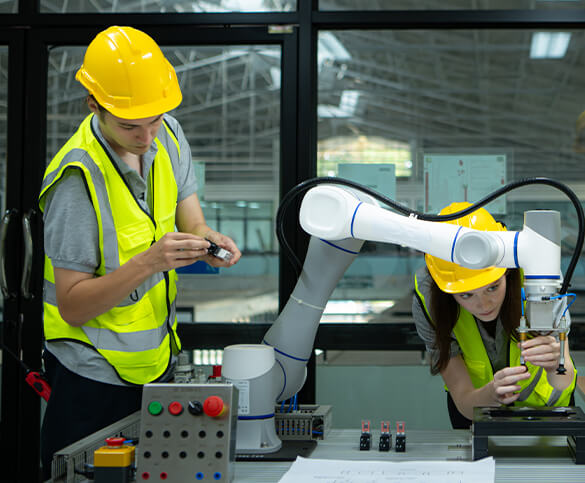
Newer machines work better than older ones. They give higher speeds and better accuracy.
1. Faster Work
Modern equipment finishes jobs in less time. This allows for quicker order turnaround. Shorter cycle times increase overall output.
2. Smooth Surfaces
Advanced machines make smoother surfaces. This cuts the need for extra polishing steps. Parts look better and work more reliably.
3. Complex Shapes
The technology makes once impossible shapes. Detailed designs become practical and repeatable. This opens up new product possibilities.
Why Same Results Matter
Repeatability makes sure every part matches the first one. This is vital when parts need to be interchangeable. Replacement pieces should fit without any changes.
Steady quality builds trust with customers. They know what to expect from each order. This reliability makes business relationships stronger over time.
Future Trends in Precision Machining
The field keeps developing new abilities. These advances will shape manufacturing in the years ahead.
1. Robots
Robotic loading and unloading reduce labour needs. Automated systems run without people for longer times. This boosts productivity and lowers costs.
2. Smart Tracking
Sensors watch machine performance live. Data analysis predicts upkeep needs before breakdowns. This stops unplanned stops and keeps production going.
3. Green Methods
New methods use less energy and create less waste. Coolant recycling reduces environmental impact. This move toward greener manufacturing continues to grow.
Final Thoughts
Precision machining forms the backbone of modern production. CNC parts machining gives the accuracy that industries require. The technology keeps getting better with each new development. Good care of machines supports this precision. Regular upkeep through machinery repair services ensures long-term reliability. Parts made this way do their jobs without fail.
The future will bring even greater abilities. Makers who adopt these advances will lead their fields. Quality will remain the driving force behind all progress.
Frequently Asked Questions
What materials can CNC parts machining handle effectively?
This process works with aluminium, steel, titanium, brass, plastics, and composites. Each material needs specific cutting speeds and tool choices. The system adapts to different hardness levels and heat properties.
How does CNC parts machining compare to traditional manual methods?
CNC gives better repeatability and handles complex shapes with ease. Manual machining depends on operator skill and takes more time. The automated approach cuts human error and boosts consistency.
What signs indicate a machine needs maintenance?
Strange noises, poor surface finish, and size errors suggest service is due. More vibration during cutting also points to mechanical issues. Machinery repair services should check the equipment without delay.
Can CNC machines produce parts with very tight tolerances?
Yes, modern machines keep tolerances within fractions of a millimetre. This level of accuracy meets aerospace and medical needs. Proper machine upkeep and calibration ensure steady results.