


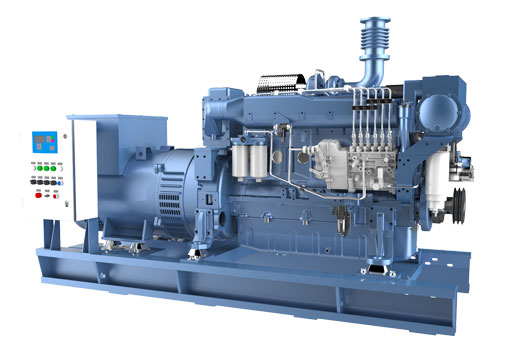
Even modern power systems on boats now forge stronger, safer, and cleaner energy for every trip. Therefore, crews face quick shifts in weather, load, and movement at sea, so they need tools that grip each challenge with sharp control and steady strength. In this guide, marine generators stand at the heart of the story as we explore how new designs lift stability, guard people, and support smooth sailing. Similar to clear flow and simple words, this overview helps every reader see why these new systems matter. Each point shows how smart parts, firm controls, and safe features shape trust on the water.
How Modern Systems Deliver Steady Power
Before we explore the parts inside these systems, it helps to understand why power flow matters at sea. Boats carry tools that depend on a steady current for safe work. Because conditions shift without pause, engines must react with sure strength. With this in mind, modern systems bring fresh control, smoother flow, and stronger balance.
Strong Voltage Control
For example, modern units grip voltage with tight force, and this helps boats work through rapid shifts at sea. Because old systems lose control during rough motion, new designs use strong circuits that hold steady flow.
- Tight voltage hold
- Smooth energy flow
- Clear overload shields
Smart Load Handling
Even loads change fast on water, and engines must respond with speed to stop shocks. Modern systems sense demand and shift output in real time. Because of this smart action, crews gain a steady supply and clean energy across devices.
- Quick load response
- Stable supply in rough seas
- Clean output for each tool
High-End Rotor and Stator Design
Eventually, modern rotors and stators now handle heat and strain with a steady grip. Because boats push engines hard, these parts spin with smooth power and hold output even under heavy load.
- Heat-safe coils
- Low-friction spin
- Strong magnetic pull
Safety Features That Protect Crews
Beyond anything that safety shapes every part of modern systems. Because open water brings risk, harsh weather, and sudden strain, boats need engines that provide strong protection. New units shield crews, limit heat, block sparks, and clear air with clean routes.
Heat and Shock Protection
Also, faults strike without warning, yet new systems guard wires with heat-tough covers. Even sensors track flow and cut power when danger rises, so crews gain strong defence from harm.
- Heat-tough layers
- Fast fault cut
- Impact-tough frame
Fuel and Exhaust Safety
Eventually, clean burn shapes safe cabins because fumes harm people; along with that, modern systems treat fuel with sharp control to limit smoke. Their exhaust routes push fumes far from cabins, and this keeps the air fresh.
- Clean burn chambers
- Safe exhaust paths
- Noise-soft housing
Vibration and Motion Control
Similarly, rough seas shake engines, so modern systems use rubber mounts and shock rings that hold units steady. Because of this marine generators support, no part rattles loose, and the crew keeps firm control.
- Shock rings
- Strong mounting arms
- Tight frame grip
How Modern Designs Boost Efficiency
Every efficiency now shapes the core of modern units. Because every drop of fuel counts at sea, boats need engines that use strong burn, clean routes, and cool flow. With better cooling, sharper fuel mixing, and cleaner chambers, these systems lift output while cutting waste.
Better Cooling Flow
In short, heat builds fast, yet newer channels push cool air through key parts. Strong fans move this flow with steady force, and parts stay cool enough to deliver firm output.
- Air-wide channels
- Strong fan blades
- Heat-safe coating
Fuel Flow Precision
Among fuel systems now deliver accurate flow are needed because engines need clean burn for strong output. Sharp pressure lines guide each drop where it belongs and reduce waste.
- Clear fuel path
- Steady pressure
- Low waste output
Advanced Combustion Chambers
Therefore, new chambers mix air and fuel with a clean swirl, so flames grow strong and balanced. Because carbon build-up drops, crews gain longer service from each fill.
- Clean swirl paths
- Strong flame mix
- Low carbon marks
Control Systems That Strengthen Reliability
Furthermore, reliable control helps crews guide engines through storms, strain, and long journeys. Because new systems track each signal in real time, they warn crews early and prevent harm. Digital screens, sharp sensors, and quick shut-off tools now give strong support.
Digital Monitoring Panels
Along with clear digital panels, track each reading. Crews read heat, flow, and load with simple keys. Because alerts trigger early, teams fix issues before they grow.
- Clear screens
- Strong alerts
- Simple keys
Auto-Shutdown Protection
Similar to engines’ sense faults with sharp focus. When danger rises, they stop without delay. Crews gain strong safety because early shut-off keeps fires from forming.
- High-sense triggers
- Quick cut
- Safe restart steps
Remote System Checks
Whenever some designs offer cabin control access, so crews can make checks from a safe space. Because this reduces risk, crews manage data quickly and safely.
- Distant readout
- Clear data feed
- Cabin-safe checks
Durability Gains in New Units
In fact, modern engines survive longer because makers craft parts that resist salt, heat, and shock. Also, boats face harsh seas, so durable frames matter. Shortly, these new improvements keep units strong even after long journeys.
Rust-Resistant Frames
Even saltwater eats metal, yet new coats block rust with tough layers, and as a result, surfaces stay strong through harsh seas. So, because these strong layers hold firm, frames then protect inner parts for years, and they keep the whole system steady on every trip.
- Rust-block coats
- Salt-safe seals
- Firm outer shell
Tough Wiring
Therefore, heat and motion strain wires, and as a result, modern cables grip tight and protect their cores with firm strength. Also, because this strong hold stops sparks, boats then stay safe through every shift in weather and load.
- Heat-safe wire
- Tight connectors
- Thick sheaths
Long-Life Bearings
Bearings guide the rotor with smooth spin, and as a result, the whole system moves with steady force. Makers use strong metals that resist wear, and therefore each part holds firm through long hours. Because these upgrades cut strain, engines then run cleaner and stronger through every load shift.
- Tough metal rings
- Smooth spin
- Low-wear design
Final Thoughts
Modern systems now raise safety, boost output, and steady long travel with stronger builds and smarter shields. Crews trust these units because they guide clean flow, stop faults, and keep power firm through rough seas. In this closing view, marine generators show how new design choices strengthen daily work at sea. With stronger cooling, sharper sensors, safer burn, and tougher frames, these systems protect boats through shifting loads and hard weather.
Frequently Asked Questions
Q 1. What helps a boat keep power steady in rough water?
Modern systems use strong parts, clear controls, and sharp sensors that steer flow through quick changes. These features steady the power, stop drops, and help the crew handle tools with confidence during any trip.
Q 2. How do new systems keep the crew safe on long journeys?
Improved cooling paths, clean exhaust routes, and strong heat shields work together to lower risks. These features block faults, push fumes away, and guide safe operation even when conditions shift without warning.
Q 3. Why do newer units last longer than older ones?
Makers use stronger metals, safer wiring, and rust-proof coatings that stand firm against heat, salt, and motion. These upgrades cut wear, ease strain, and help each part stay strong through many long hours at sea.
Read More: A Complete Guide to Tugboat Equipment and Their Functions