


In Singapore, when someone dies, families have to go through a series of legal, logistical and cultural steps very swiftly. It begins with obtaining a death certificate, then determining what type of funeral, where, religious rites and what to do with the body. Having a plan and a professional funeral services in Singapore provider can make a terrible period more bearable.
It’s never easy to lose someone you love. However, there are a number of obligations that families have to perform quickly in the immediate aftermath of a death in Singapore. Perhaps knowing what to expect, step by step, can help ease an already emotional occasion just a little.
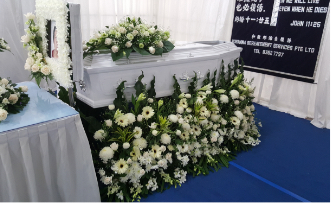
The First 24 Hours: What You Need to Do Immediately
The steps taken in the first day are largely administrative but time-sensitive. Getting these right sets the foundation for everything that follows.
Certifying the Death
If your loved one dies in a hospital or nursing home, the visiting doctor will provide you a Death Certificate. If the death is at home, you must call 995 (Singapore Civil Defense Force) or the police. A doctor must certify the cause of death before funeral preparations can be made.
If the cause of death is uncertain or sudden, the Coroner’s Court may be engaged. This can result in the body being released days later. It is vital to have this possibility in mind when making early arrangements.
Registering the Death
All fatalities occurring in Singapore must be reported to the Immigration & Checkpoints Authority (ICA) within 24 hours after certification. If the person died in a hospital, the hospital will usually assist you with this. Home deaths must be registered by next of kin.
You’ll obtain a certified copy of the death certificate, which you’ll need for just about every following step – from making insurance claims to settling the estate.
Choosing a Funeral Undertaker: Why It Matters
One of the most important early decisions is selecting a funeral undertaker. This person or company will coordinate the logistics of the wake, the funeral ceremony, and the final disposition of the remains.
A reliable funeral company in Singapore families trust will typically assist with:
- Transporting the deceased from hospital or home to the funeral venue
- Preparing the body (embalming or dressing, depending on religious customs)
- Setting up the wake venue — void deck, funeral parlour, or private hall
- Coordinating religious rites and officiants
- Arranging for the casket, floral tributes, and funeral accessories
- Managing cremation or burial logistics
When evaluating sg funeral services, ask specifically about their experience with your family’s religious or cultural traditions. Whether Buddhist, Taoist, Christian, Catholic, or non-religious, the rites can differ significantly and require specialised knowledge.
Understanding Funeral Types in Singapore
Singapore is a multicultural society, and funerals reflect this diversity. The major types include:
Buddhist and Taoist Funerals
These are among the most common in Singapore. They typically involve a multi-day wake with chanting sessions, offerings, and prayer rituals. The wake is often held at the void deck of an HDB block or at a funeral parlour. Cremation is the most common final disposition for Buddhist families.
Christian and Catholic Funerals
These services are usually led by a pastor or priest and follow a more structured liturgical format. The wake may include a viewing, hymns, and scripture readings. Both burial and cremation are practised depending on denomination.
Non-Religious or Secular Funerals
Secular services focus on celebrating the life of the deceased. Eulogies, music, and personalised tributes take centre stage. These can be held at funeral homes or community halls.
Cremation vs. Burial in Singapore
Due to land scarcity, cremation is heavily encouraged in Singapore. As of recent years, the National Environment Agency (NEA) reports that over 80% of deaths in Singapore result in cremation. The main cremation facility is the Mandai Crematorium, managed by the NEA.
Burial remains an option, primarily at Choa Chu Kang Cemetery. However, burial plots are offered on a 15-year lease and are subject to availability. Families choosing burial should confirm availability early through the NEA.
| Factor | Cremation | Burial |
|---|---|---|
| Cost | Generally lower | Higher (plot fees apply) |
| Land Use | Minimal | Requires a plot |
| Lease | N/A | 15-year lease |
| Cultural Suitability | Buddhist, Taoist, Christian | Muslim, some Christian groups |
Wake Duration and Practical Logistics
In Singapore, wakes typically last between two and five days. The duration often depends on religious customs, family preference, and the availability of the cremation or burial slot.
Key practical considerations include:
- HDB void deck bookings: Contact your town council directly. Bookings are typically made for a fixed number of days, and tents, chairs, and tables are usually part of the package offered by the funeral provider.
- Noise and timing rules: NEA and HDB have guidelines on permissible hours for music and chanting during wakes. Your funeral provider should be familiar with these.
- Catering: Many families arrange catering for guests during the wake. Vegetarian options are common in Buddhist and Taoist traditions.
How to Choose a Funeral Home in Singapore
Selecting the right funeral home Singapore families rely on involves more than comparing prices. Here is what to look for:
- Experience with your tradition: Does the provider have a proven track record with your family’s religious customs?
- Transparency in pricing: Request an itemised quote. Reputable providers will not pressure you into add-ons during a vulnerable time.
- 24/7 availability: Deaths do not follow office hours. Your provider must be reachable around the clock.
- Coordination capacity: Can they handle everything end-to-end — transport, wake setup, religious rites, and cremation or burial logistics?
- Reviews and referrals: Speak to others in your community or check online reviews. Word-of-mouth remains one of the most reliable indicators in this industry.
After the Funeral: What Comes Next
Once the funeral is complete, there are several post-funeral responsibilities families must attend to:
- Collecting the ashes: If cremated, ashes are typically ready within one to two days. They can be interred at a columbarium, scattered at sea (with NEA approval), or kept in a permitted location.
- Settling the estate: The death certificate will be required to close bank accounts, claim insurance, and apply for probate if necessary.
- Government notifications: Notify CPF, IRAS, HDB (if applicable), and any other relevant agencies. Many of these can now be done through the Life SG portal.
It is also worth noting that grief support resources are available through hospitals, community centres, and voluntary welfare organisations across Singapore. Do not hesitate to seek help for yourself and other family members.
For families seeking a compassionate and experienced partner through every step of this journey, Singapore Buddhist Funerals offers dedicated Buddhist funeral services with a focus on proper rites, transparent pricing, and respectful care for the deceased and the family.
Frequently Asked Questions
What is the first thing to do when someone dies in Singapore?
The first step is to have the death certified by a doctor and register it with the Immigration and Checkpoints Authority (ICA) within 24 hours. If the death is unexpected or at home, call the police or SCDF at 995 immediately. You can’t make arrangements for a funeral unless you have a verified death certificate.
How long does a funeral wake typically last in Singapore?
In Singapore, a wake normally lasts for two to five days, depending on the religious customs and the family’s wishes. The period may also be dependent on the availability of slots for cremation or burial at government facilities such as Mandai Crematorium or Choa Chu Kang Cemetery.
Is cremation or burial more common in Singapore?
Cremation is much more widespread. The National Environment Agency says cremation follows more than 80% of deaths in Singapore. The tendency is largely driven by land shortages. At Choa Chu Kang Cemetery however, burial is only allowed on a limited 15-year lease basis.
How do I find a reliable funeral undertaker in Singapore?
Find a funeral director who respects your family’s religious beliefs, is straightforward with costs, and is on call 24/7. Request a detailed price and also check reviews or referrals in your town. A reputable supplier will walk you through each stage without pressuring you during a tough moment.
What happens to the ashes after cremation in Singapore?
Ashes can be placed in a columbarium, scattered at sea with approval from the National Environment Agency (NEA) or stored at home under allowed circumstances. Many families opt for columbarium niches at places such as Kong Meng San Phor Kark See Monastery or Mandai Columbarium as their long-term resting place.
What documents are needed after a death in Singapore?
The main document required is the death certificate duly signed by ICA. This is for notifying CPF, IRAS, HDB, closing bank accounts, claiming insurance payouts and applying for probate. Many of these notifications can now be done online on the official Life SG government webpage.
