


Choosing the right egg products for a food business depends on your volume needs, storage capacity, menu requirements, and supplier reliability. Businesses should evaluate product formats — fresh, processed, or value-added — alongside certifications and consistency of supply. Partnering with a trusted eggs provider ensures quality control and reduces operational disruption.
If you are running a restaurant, café, or retail outlet, sourcing decisions around egg selling in Singapore affect everything from your food cost to your customer experience. The market offers a wide range of options — from fresh shell eggs to salted egg products — and making the wrong call can disrupt your kitchen operations or inflate your margins unnecessarily. This guide walks you through the key factors to evaluate before committing to a supplier or product line.
Why Product Selection Matters More Than You Think
For many food companies, the question of sourcing eggs is an afterthought. Egg products are truly the backbone of many dishes, be it breakfast menus, pastries or salted egg sauces that have exploded in popularity throughout Singapore’s F&B scene.
If you get the product format wrong, you end up with inconsistent dish quality, unnecessary food waste and supply chain issues. The needs of a restaurant serving a high volume of breakfasts will be different to those of a bakery or hawker stall making salted egg snacks. First is knowing your use case.
Step 1: Identify Your Volume and Usage Pattern
Before comparing suppliers or product types, map out your actual consumption. Ask yourself:
- How many eggs — or egg-based products — does your kitchen use per day or per week?
- Is demand consistent year-round, or does it spike during festive seasons?
- Do you need whole eggs, yolks only, or processed formats like salted egg paste or powder?
High-volume kitchens often benefit from processed or pre-portioned egg products because they reduce prep time and minimise breakage. For smaller operations or specialty menus, fresh shell eggs or artisanal salted egg products may deliver more flavour nuance and presentation value.
Step 2: Understand the Different Product Formats Available
Fresh Shell Eggs
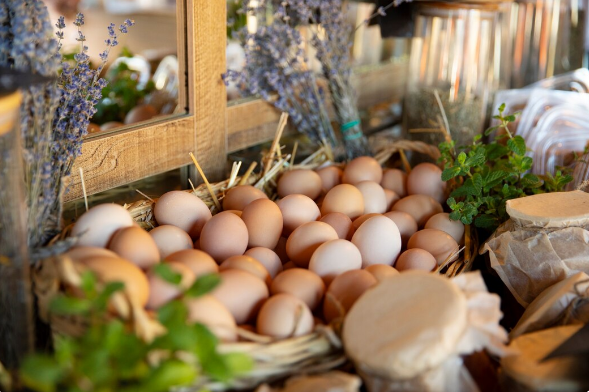
Best for table-service restaurants, hotels, and any operation where the egg is a centrepiece — think soft-boiled eggs, poached eggs, or runny yolk dishes. They offer the most flexibility but require careful storage and have a shorter usable window once delivered.
Salted Egg Products
Salted egg has become one of Singapore’s most commercially viable food trends. Salted egg yolk sauces, powders, and pastes are now used in everything from croissants to prawn dishes to potato chips. For F&B businesses looking to capitalise on this trend, sourcing high-quality salted egg products consistently is critical.
Look for suppliers who process their salted eggs under proper food safety conditions. Products should have a consistent colour, flavour profile, and moisture content — especially if you are scaling production.
Processed Egg Products (Liquid, Powder, Frozen)
These formats are perfect for large scale production environments such as central kitchens and caterers and food manufacturers. Liquid whole eggs or pasteurised egg products reduce the risk of shell handling and reduce labour cost. Egg Powder is a great ingredient to use in dry mixes and baked goods that need a longer shelf life.
Step 3: Evaluate Supplier Reliability and Food Safety Standards
In Singapore, all egg importers and distributors are regulated under the Singapore Food Agency (SFA). When assessing an eggs provider in Singapore, verify that they:
- Source from SFA-accredited farms or approved countries
- Maintain proper cold chain logistics from farm to delivery
- Can provide documentation for food safety audits or halal certification requirements
- Offer consistent delivery schedules with contingency plans during supply disruptions
Singapore imports the majority of its eggs, primarily from Malaysia, but has been diversifying sources following past supply disruptions. This makes supplier flexibility and sourcing diversity key criteria when shortlisting partners.
Step 4: Match Product Quality to Your Price Point and Brand Positioning
Not all eggs are created equal – nor are your customers’ expectations. As a premium brunch café serving eggs benedict, you can’t afford to serve inconsistent yolk colour or off-flavour whites. A hawker stall scaling braised egg output is more in need of uniformity and cost control than premium grading.
Look at the price per plate and work backward from there. Higher end operations should seek out grade eggs with consistent size and quality certification. Mid-volume and high-volume operators should look for supply consistency and competitive pricing from a proven distributor.
Step 5: Consider Shelf Life and Storage Constraints
The storage capacity will directly impact which product format is best for your business. Good quality fresh shell eggs should be refrigerated and will keep for 3 to 5 weeks. Processed egg products and salted egg powders have much longer shelf lives, which can reduce wastage and make it easier for you to buy more flexibly.
If you are short on kitchen space, liquid egg products in tetra pack formats or vacuum sealed salted egg pastes might be more practical than bulk ordering fresh shell eggs.
Quick Comparison: Egg Product Formats at a Glance
| Product Format | Best For | Shelf Life | Key Benefit
|
| Fresh Shell Eggs | Restaurants, hotels, cafés | 3–5 weeks (refrigerated) | Versatility and freshness |
| Salted Egg Products | F&B, snack manufacturers | Varies by format | Flavour consistency at scale |
| Liquid / Pasteurised Eggs | Catering, central kitchens | Up to 12 weeks (sealed) | Labour savings, food safety |
| Egg Powder | Bakeries, dry mix producers | 12–24 months | Long shelf life, easy storage |
What to Ask Before Signing with a Supplier
Once you have narrowed down the product formats you need, use these questions as a final filter when speaking with any potential egg supplier:
- What is your minimum order quantity, and do you offer flexible delivery frequency?
- How do you handle supply shortages or delays?
- Do your products carry SFA approval or any third-party food safety certification?
- Can you provide samples for kitchen trials before committing to bulk orders?
- Do you offer product support or recipe development assistance for value-added egg products?
These questions separate transactional vendors from true supply partners. A good supplier will have clear, confident answers to all of them.
Where to Source Quality Egg Products in Singapore
For restaurants and retailers looking for a reliable range — particularly in the salted egg category — working with a specialist supplier makes a measurable difference in consistency and menu execution. Dasoon offers a focused selection of egg products designed for the demands of Singapore’s food industry, from salted egg formats suited to modern menus to supply arrangements built around commercial kitchen needs.
Whether you are building a new menu concept or rationalising your current supplier list, starting with a clear product brief and verified food safety credentials will save you time, cost, and kitchen headaches in the long run.
Frequently Asked Questions
What types of egg products are best for high-volume restaurant kitchens?
High-volume kitchens benefit from liquid pasteurised eggs or processed formats that reduce prep time and minimise breakage. For large batch sizes the products are of a consistently good quality and meet the food safety requirements of Singapore Food Agency, therefore they are perfectly suitable for catering and central kitchen environments.
How to ensure egg suppliers in Singapore adhere to food safety standards?
Ensure the supplier sources from Singapore Food Agency (SFA)-approved farms or approved import countries. If applicable ask for halal certification. Ask for documentation for any relevant certifications. You can expect your reliable suppliers to offer traceability records and comply with cold chain handling standards from source to delivery.
How long do salted egg products last compared to fresh eggs?
Fresh shell eggs will keep around 3-5 weeks in the refrigerator. Salted egg pastes and powders may vary in format, but generally they have a much longer shelf life, which is more practical for businesses that are managing tighter storage space or producing at scale with less frequent ordering cycles.
Do salted egg products offer a commercially viable option for food businesses in Singapore?
Yes. Salted egg is still one of Singapore’s most commercially viable food trends, finding its way into everything from snacks and sauces to pastries and mains. A specialist supplier of salted egg products helps food businesses to expand their menu offerings without compromising on flavour or production efficiency.
What questions should I ask an egg supplier before placing a commercial order?
Ask about minimum order quantities, delivery flexibility, handling procedures during supply disruption and available product certifications. Request samples of the kitchen before you buy in bulk. This helps make sure the supplier is capable of meeting your operational needs not only on the first delivery but also from then on.
How does the egg product format affect a restaurant’s food cost control?
The product format has a direct impact on labour costs, wastage levels and portion control. Processed egg formats such as liquid eggs and salted egg paste, reduce prep labour and spoilage, improving cost predictability. One of the best ways to control food cost is to match product format to menu volume and kitchen capacity.