


Losing a loved one brings sadness that leaves many questions coming to mind, along with hard choices for families. Buddhist or Christian funerals both honour the dead through prayer, respect, or family support. A Funeral service in Singapore often reflects strong cultural roots with deep religious beliefs. Each tradition carries unique customs that shape the prayers, clothing, rituals, or funeral setting. Families also look for trusted support during this difficult time.
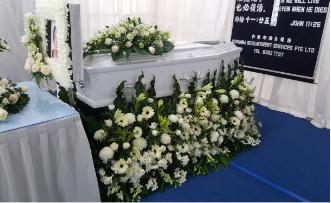
Understanding Funeral Traditions in Singapore
Singapore gathers people from many cultures or religions. Therefore, funeral traditions differ across families with communities. Buddhist or Christian funerals stand among the most common services in the country.
Both traditions help families mourn, pray, or gather with loved ones. However, each service follows its own beliefs or customs. These beliefs shape the prayers, clothing, rituals, or funeral setting.
Why Funeral Customs Matter
Funeral customs help families express love with respect. They also comfort people during loss. Rituals guide mourners through grief while drawing relatives or friends closer together.
Many families treasure funeral traditions because they:
- Protect family heritage
- Honour religious beliefs
- Gather loved ones together
- Bring comfort during mourning
Buddhist Funeral Traditions
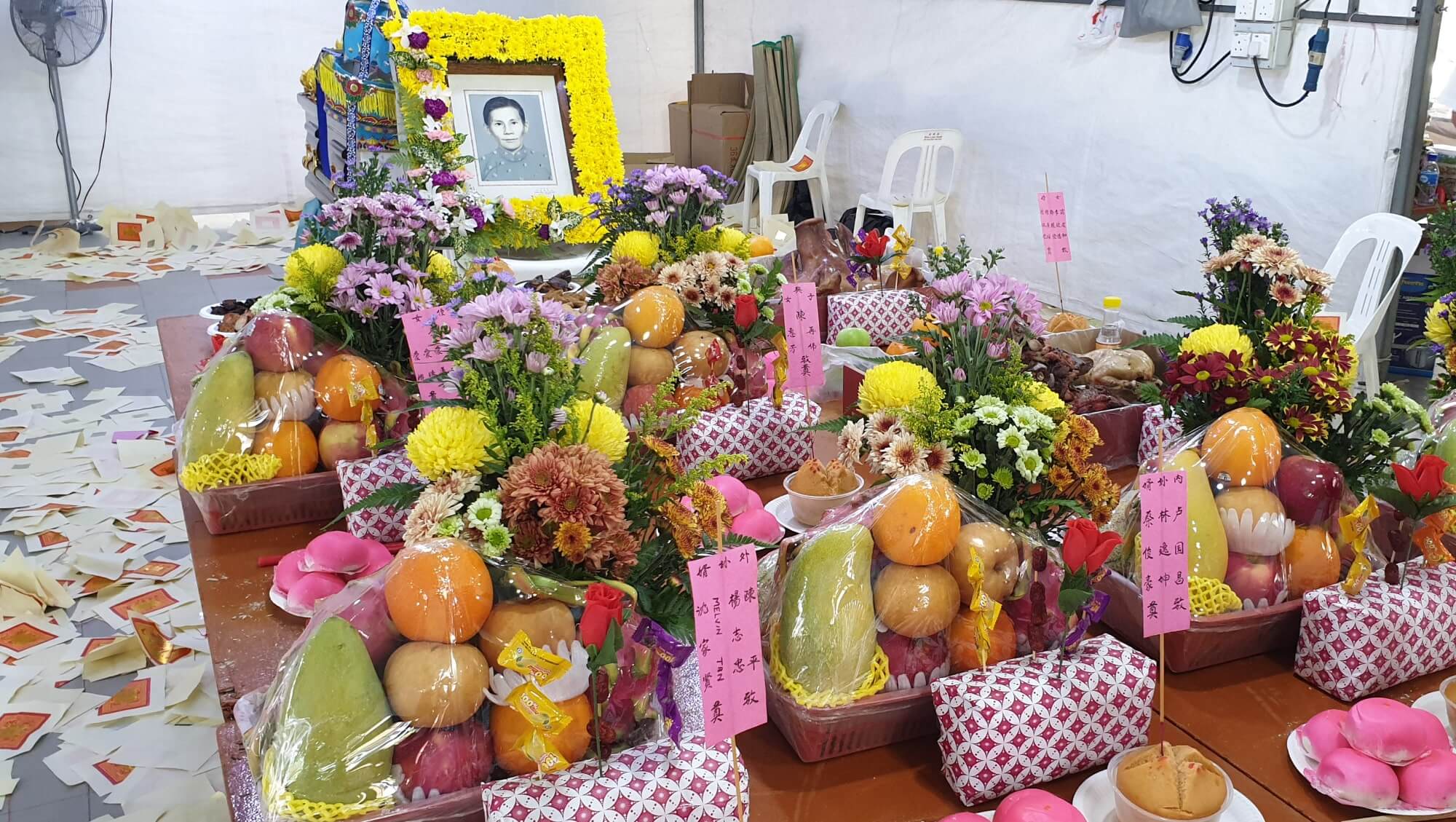
They do have important spiritual significance. Their monks do prayers to guide souls for their afterlife transition. Also, the family offers flowers, fruits, or food for their respect. They also pray for their comfort in heaven.
Main Features of Buddhist Funerals
- Monks recite sutras beside the coffin
- Family members bow before the altar
- White clothing signals grief or respect
- Incense drifts through the prayer space
- Paper offerings represent care for the dead
In many homes, the wake stretches across several days. During this time, relatives gather to pray or share memories. Guests often hand condolence money to the family in white envelopes. In some cases, families also follow a Chinese custom funeral style with strong ancestral rituals.
Buddhist Beliefs About Death
They believe that death belongs to an unending cycle of existence. Also, the soul travels toward rebirth after death. So, people do a prayer for the peaceful rest of the soul.
Also, in the period of funeral rituals family do prayer to show their love even perform kind deeds. At the time, they also offered presentations to monks even do food donations. This behaviour show the respect love or kindness to the soul.
Role of Monks During the Service
Monks guide many parts of the funeral rites. They lead chants or prayers throughout the wake or ceremony. Their presence supports the family through spiritual practices.
Monks may also:
- Bless the family
- Recite sacred texts
- Share spiritual guidance
- Lead final prayers before cremation or burial
Christian Funeral Traditions
They focus on n faith, salvation, or peace in the funeral rituals. Also, their priests or pastors do prayers, Bible readings, or hymns for soul. Even family or friends gather to do a prayer for soul or show their care or love.
Main Features of Christian Funerals
- Church services include hymns or prayers
- Guests wear black or dark clothing
- Bible verses comfort mourners
- Family members share eulogies
- Burial or cremation follows the service
A Christian service often feels warm or hopeful. Songs or prayers remind guests about heaven or eternal life. Many families hold the wake in a church hall or a funeral parlour.
Christian Beliefs About Death
They believe that death opens a door to meet a god. For that reason, their fruneal services includes the centre on hope, faith, or spiritual comfort.
Bible readings often speak about peace, forgiveness, or reunion in heaven. These messages comfort grieving families or strengthen their faith during difficult times.
Role of Church Leaders
Pastors or priests guide families through funeral arrangements or prayers. They also support grieving relatives during the mourning period.
Church leaders may:
- Read scripture passages
- Lead prayers
- Deliver sermons
- Bless the coffin
Comparing Buddhist vs Christian Funeral Traditions
Both funerals offer the care, respect or honour for dead persons. Also, both have different rituals, beliefs, customs, or prayer styles. Also, in these furneals cloth rituals or settings can matter to show love. The table below shows the main differences between the two funeral types in Singapore.
| Funeral Aspect | Buddhist Funeral | Christian Funeral |
| Beliefs About Death | Guides the soul through rebirth and karma | Celebrates eternal life with God |
| Main Prayers | Monks recite sutras or sacred chants | Pastors or priests lead prayers or hymns |
| Funeral Atmosphere | Creates a calm or reflective mood | Brings warmth, hope, or comfort |
| Mourning Clothing | White clothing signals grief or respect | Black clothing expresses mourning |
| Common Symbols | Incense, candles, or lotus flowers frame the altar | Crosses, Bibles, or flowers surround the service |
| Ritual Practices | Includes incense burning or paper offerings | Includes Bible readings or sermons |
| Role of Religious Leaders | Monks guide spiritual rituals or prayers | Priests or pastors comfort families or lead services |
| Final Farewell | Helps guide the soul toward peace | Focuses on rest, faith, or reunion in heaven |
Funeral Etiquette Guests Should Know
Guests should follow proper etiquette during funeral visits. Respectful behaviour comforts the grieving family or maintains harmony during the service.
What Guests Should Wear
- Choose modest clothing
- Avoid bright colours
- Wear black or white when suitable
Proper Behaviour During the Service
Guests should speak softly or follow the family’s Chinese custom funeral. They may bow, pray, or sign a condolence book during the visit. Many guests also bring condolence money or flowers to express support or sympathy.
Final Thoughts
Buddhist or Christian funeral traditions both help families honour loved ones with peace, love, or remembrance. Their customs may differ, but both ceremonies provide people with comfort, togetherness, or spiritual support during periods of mourning. A funeral service in Singapore also reflects the country, which features multiple religious traditions or cultural backgrounds, or different family customs.
FAQs
Q 1: How long does a funeral wake usually last?
A funeral wake may stretch across one or several days, depending on family traditions or religious customs. Buddhist families often hold longer wakes, while Christian families may arrange shorter services with prayers, gatherings, or final farewell rites.
Q 2: What should guests wear to a funeral service?
Guests should choose modest or respectful clothing during a funeral visit. Dark or plain colours usually suit Christian services, while white clothing often marks Buddhist mourning traditions. Families value simple outfits that show care, respect, or support.
Q 3: Can families combine cultural or religious funeral customs?
Yes, many families blend cultural traditions with religious practices to honour both faith or heritage. This approach helps families preserve ancestral customs while also following spiritual rituals that reflect personal beliefs, family values, or meaningful traditions.
Q 4: Why do Buddhist funerals include incense or chanting?
Buddhist families light incense or recite prayers to guide the soul toward peace or rebirth. These rituals also help family members show respect, love, or remembrance while creating a calm or spiritual setting during the funeral service.
Q 5: Do Christian funerals include music or hymns?
Yes, Christian funerals often feature hymns, worship songs, or prayers. Music comforts grieving families or draws people together during the service. Many families choose meaningful songs that reflect faith, hope, love, or treasured memories.
