When choosing between natural gemstone engagement rings and diamond rings, the right choice depends on your priorities. Diamonds offer unmatched hardness, timeless symbolism, and strong resale value. Coloured gemstones bring individuality, vivid beauty, and often a lower price point. Neither is universally better — the best ring is the one that reflects your relationship and lifestyle.
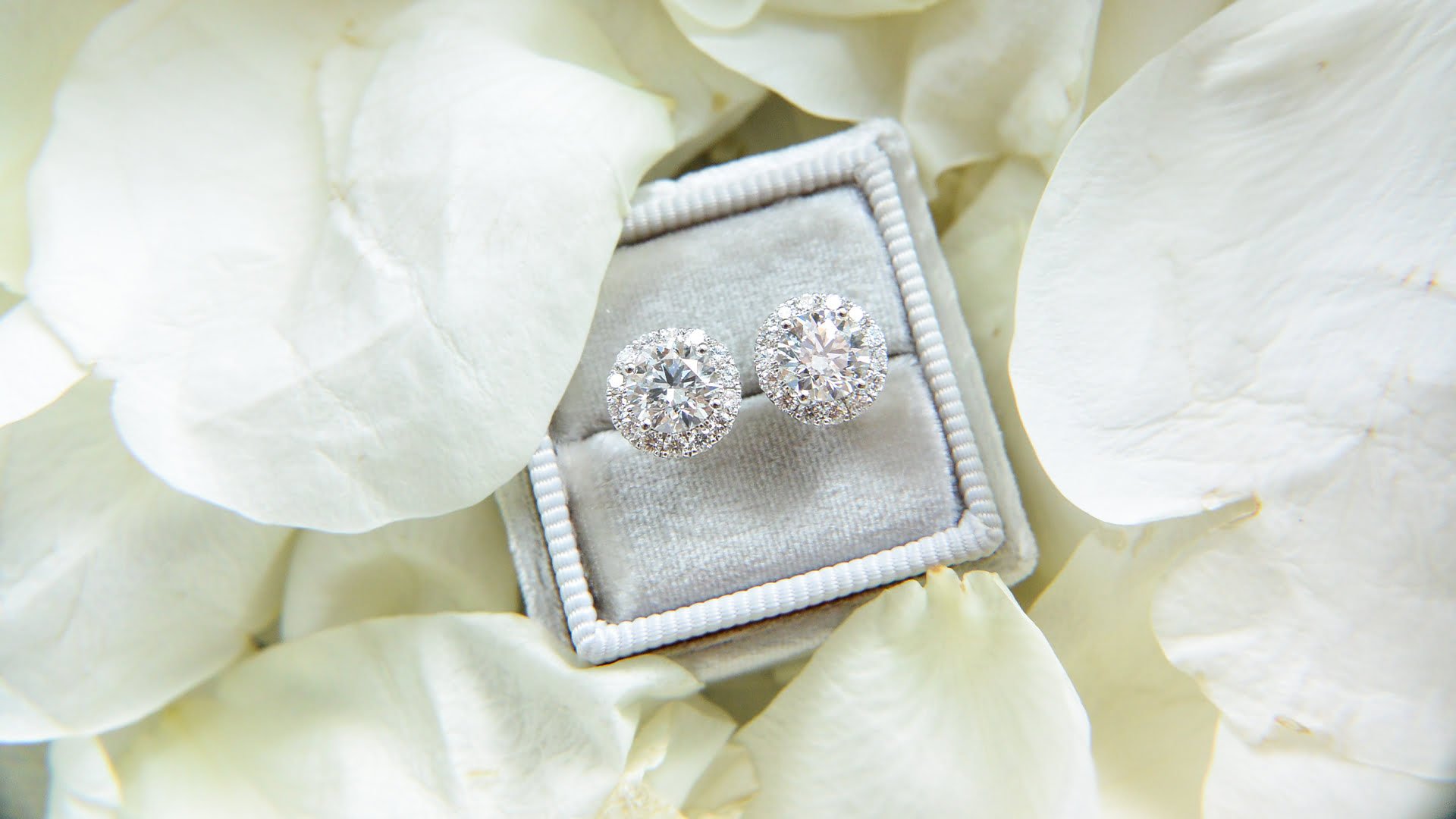
Durability: Which Stone Holds Up Over Time?
Durability is one of the most practical factors to consider. You’re choosing a ring worn daily, for decades.
Diamonds score a 10 on the Mohs hardness scale — the highest possible rating. This makes them the hardest natural material on Earth, highly resistant to scratching. For everyday wear, that’s a significant advantage.
Popular coloured gemstones vary considerably:
- Sapphires and rubies — Mohs 9, excellent for daily wear
- Emeralds — Mohs 7.5–8, but prone to inclusions and chipping
- Morganite — Mohs 7.5–8, softer and better suited to occasional wear
- Opals and pearls — Mohs 5–6, not ideal for engagement rings without protective settings
If you lead an active lifestyle or work with your hands, a diamond or sapphire centre stone will hold up far better than softer alternatives.
Beauty and Aesthetic Appeal: What Catches the Eye?
The Case for Diamonds
Diamonds are prized for their brilliance — the way they split and reflect light creates that signature sparkle. A well-cut diamond in a classic solitaire or pavé setting is unmistakably elegant. For many couples in Singapore, the white diamond remains the gold standard for engagement rings.
The Case for Coloured Gemstones
Coloured stones make a striking visual statement. A deep blue sapphire, a vivid green emerald, or a blush-pink morganite centre stone stands apart from the crowd. These rings are often chosen by partners who value individuality and want something that reflects a personal story rather than tradition.
Coloured gemstones also photograph exceptionally well — an increasingly relevant consideration for couples who want their ring to stand out in engagement photos.
Symbolism: What Does Each Stone Represent?
The diamond’s association with love and commitment runs deep, especially in Singapore where diamond engagement rings have been the cultural norm since the mid-20th century. De Beers’ iconic “A Diamond Is Forever” campaign shaped an entire generation’s expectations around engagement jewellery.
But coloured gemstones carry rich symbolism too:
- Sapphire — loyalty, wisdom, and nobility (famously chosen for Princess Diana’s ring)
- Ruby — passion, courage, and deep love
- Emerald — hope, renewal, and growth — meaningful for couples starting a new chapter
- Aquamarine — calm, clarity, and trust
Many couples today are moving away from the “one ring fits all” approach and choosing stones with personal or cultural significance. That shift is particularly visible among younger couples who prioritise meaning over convention.
Value and Budget: Where Does Your Money Go Further?
Natural Diamond Rings
Natural diamond rings come at a higher price, and there’s good reason for that. The price is driven by rarity, grading standards (cut, colour, clarity, carat – the 4Cs) and supply chain transparency. For a quality natural diamond solitaire ring in Singapore, the price starts from SGD 3,000 and goes up significantly depending on the carat weight and cut grade.
GIA or IGI certification accompanies diamonds from reputable sources, which adds transparency and supports long-term value. Custom diamond engagement rings — tailored to your specifications — allow couples to stretch their budget where it matters, be it the cut quality of the stone or a custom setting.
Coloured Gemstone Rings
Coloured gems are generally cheaper per carat than diamonds of the same visual size. A 1.5ct blue sapphire can cost a lot less than a 1ct white diamond of similar quality. This gives buyers more flexibility to invest in a bigger stone, a more intricate setting or a higher-quality band.
That said, fine rubies and some emeralds from premium sources can equal or exceed diamond prices. Always have a certified gemologist verify the stone’s origin and treatment history before you buy.
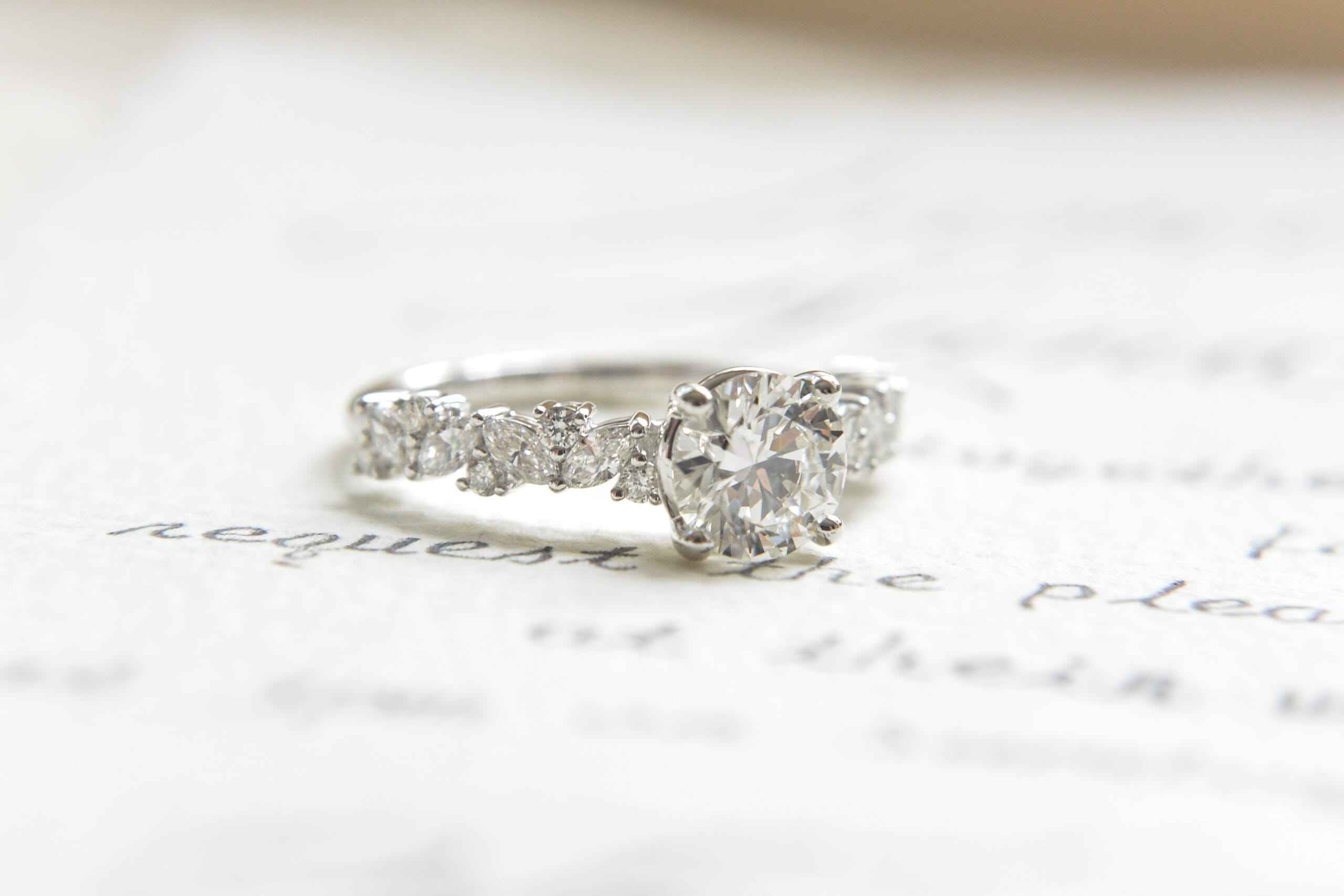
Gemstone vs Diamond Rings: Side-by-Side Comparison
| Factor | Natural Diamond | Coloured Gemstone
|
| Hardness | 10 (Mohs scale) | 5–9 depending on stone |
| Durability for Daily Wear | Excellent | Good to Fair (varies) |
| Visual Impact | Brilliant, classic sparkle | Bold, colourful, distinctive |
| Symbolism | Timeless love, tradition | Personal meaning, unique |
| Price Range | Higher per carat | Varies — often lower |
| Certification Available | GIA, IGI | GIA, GRS, Gübelin |
| Customisation Options | Wide | Wide |
| Resale Value | Moderate to good | Variable |
Which Should You Actually Choose?
There’s no single correct answer — but there are clear indicators pointing in each direction.
Choose a natural diamond ring if you:
- Want a stone that requires minimal maintenance
- Value tradition and long-term resale potential
- Prefer a timeless, versatile look that pairs with any style
- Are interested in a bespoke design with a certified centre stone
Choose a coloured gemstone ring if you:
- Want a ring that’s distinctive and tells a personal story
- Are drawn to colour and want a bold visual centrepiece
- Have a flexible budget and want more stone for your spend
- Are open to pairing your gemstone with diamond accents for durability
Many couples in Singapore are now choosing hybrid designs — a sapphire or emerald centre stone flanked by natural diamond rings set as side stones. This approach gives you the best of both worlds: colour and character, backed by diamond brilliance.
Making the Final Decision: Practical Tips
- Try before you decide — View stones in natural light, not just under jewellery display lighting.
- Ask about treatments — Many coloured gemstones are heat-treated. This is standard, but should be disclosed.
- Consider the setting — Bezel and halo settings offer more protection for softer gemstones.
- Review certifications — Always ask for a gemological certificate from a recognised lab.
- Think long-term — Consider how the ring will look in 20 years, not just on the wedding day.
For couples in Singapore navigating this choice, working with a trusted jeweller who offers bespoke consultation makes all the difference. Rachel P Jewels offers personalised guidance on both natural diamond rings and coloured gemstone designs, helping couples find a ring that reflects their story — not just a trend.
Frequently Asked Questions
Are natural gemstone engagement rings durable enough for everyday wear?
That depends on the stone. Sapphires and rubies (Mohs 9) are good for everyday wear. Softer stones like emeralds or opals have to be handled with more care and protective settings to avoid damage over time.
Do coloured gemstone rings hold their value like diamonds?
Most natural diamonds tend to have a more predictable resale value due to standardised grading. Rubies, sapphires and emeralds of quality origins can carry strong value, but this is very dependent on origin, treatment and certification.
What is the most popular gemstone for engagement rings besides diamonds?
Blue sapphire is the most popular alternative, thanks largely to the celebrity rings of Princess Diana and Kate Middleton. Sapphires, morganite and emeralds are also gaining popularity in Singapore as couples are looking for a more unique look.
Can I get a bespoke engagement ring with a coloured gemstone in Singapore?
Yes. Many jewellers in Singapore offer fully bespoke designs using coloured stones. You can combine a gemstone centre stone with diamond accents, choose your setting style, and select a metal to match your preferred aesthetic.
What should I look for when buying a natural diamond ring?
Focus on the 4 C’s – cut, colour, clarity and carat. Always ask for a GIA or IGI certificate to confirm the grading of the stone. If you’re interested in bespoke diamond engagement rings, you should contact a jeweller that provides transparent sourcing and custom design consultations.
Is a diamond ring better than a gemstone ring for an engagement?
There is no objectively better. Diamonds are harder and timeless, gemstones are colourful and unique and often better value per carat. The best choice is down to your lifestyle, your personal taste, and what the ring means to you as a couple.