A natural diamond engagement ring is one of the most timeless representations of romantic commitment. Natural diamonds are formed deep in the earth over billions of years. This gives them a rarity and permanence that no manufactured stone can replicate. They’re a meaningful choice for couples who want their ring to tell a story that lasts a lifetime due to their emotional weight, geological origin and cultural history.
What Makes a Natural Diamond Different From Other Stones?
Natural diamonds are carbon crystals formed under intense heat and pressure, typically between one and three billion years ago, some 100 miles beneath the earth’s surface. Volcanic activity brings them nearer the surface, so each stone becomes a geological event in itself.
Where it comes from matters. When you hold a natural diamond, you hold something almost inconceivable in its age, dating back to before human civilisation. No two natural diamonds are exactly alike – differences in cut, colour, clarity and carat weight guarantee that every diamond is unique.
This is a world away from lab-grown alternatives, which mimic the chemical structure of a diamond but are grown in weeks under controlled conditions.
The History and Cultural Significance Behind Diamond Symbolism
Diamond symbolism is deep across cultures and centuries. The word diamond originates from the ancient Greek word adamas, meaning “unconquerable” or “indestructible.” This connection to strength and eternity made diamonds a natural choice to symbolize everlasting love.
The tradition of diamond engagement rings as we know it today was cemented in 1477 when Archduke Maximilian of Austria gave Mary of Burgundy a diamond ring at their engagement. By the 20th century De Beers’ famous 1947 campaign – “A Diamond is Forever” – had cemented the diamond as the ultimate symbol of commitment in Western culture.
In many Asian cultures, diamonds have long been linked with purity, prosperity and good luck at the start of something new – values that easily align with the start of a marriage, in Singapore and across Southeast Asia.
Natural Diamond Meaning: Why the Origin Matters Emotionally
The natural diamond meaning goes beyond chemistry. There’s a deep emotional component to giving away something that’s been here for billions of years and will be here for billions more.” It talks of permanence. It says: this is not a fling relationship.
For many couples, this story is what the ring is all about. A diamond born before life as we know it, and destined to outlast all we create, becomes more than a gemstone. It is a witness to a promise.
This emotional resonance is part of the reason why natural diamonds keep their sentimentality through generations. They are heirlooms in the truest sense, not only with monetary value, but with layered personal meaning compounded throughout time.
Rarity, Value, and the Investment Argument
Natural diamonds are limited. The world’s biggest diamond mines aren’t producing like they used to, and no major new diamond deposits have been discovered for decades. The Gemological Institute of America (GIA), one of the world’s leading authorities on gemstone grading, says production of rough natural diamonds from primary sources has levelled off and is likely to fall.
This scarcity has real implications for value retention. No gem should be bought as an investment, but natural diamonds, particularly well-cut ones with good colour and clarity, have proven to be stable in value over the long term, unlike lab-grown stones.
Consider these key distinctions:
- Rarity: Natural diamonds are geologically rare; supply is finite and declining
- Provenance: Each stone has a traceable, certifiable origin
- Resale value: Natural diamonds hold secondary market value; lab-grown prices have dropped significantly in recent years
- Certification: GIA-certified natural diamonds carry independently verified grading that supports long-term value
Engagement Ring Customisation: Making the Ring Truly Yours
One of the most attractive aspects of choosing a natural diamond today is the level of customisation you can achieve through engagement ring customisation. You’re not selecting from a display case — you’re making decisions about cut, setting style, metal type, and diamond characteristics that reflect both partners’ personalities and shared aesthetic.
Key Customisation Decisions to Consider
Diamond cut: The cut determines how light interacts with the stone. Round brilliant cuts maximise sparkle; oval, pear, and cushion cuts offer a more distinctive silhouette.
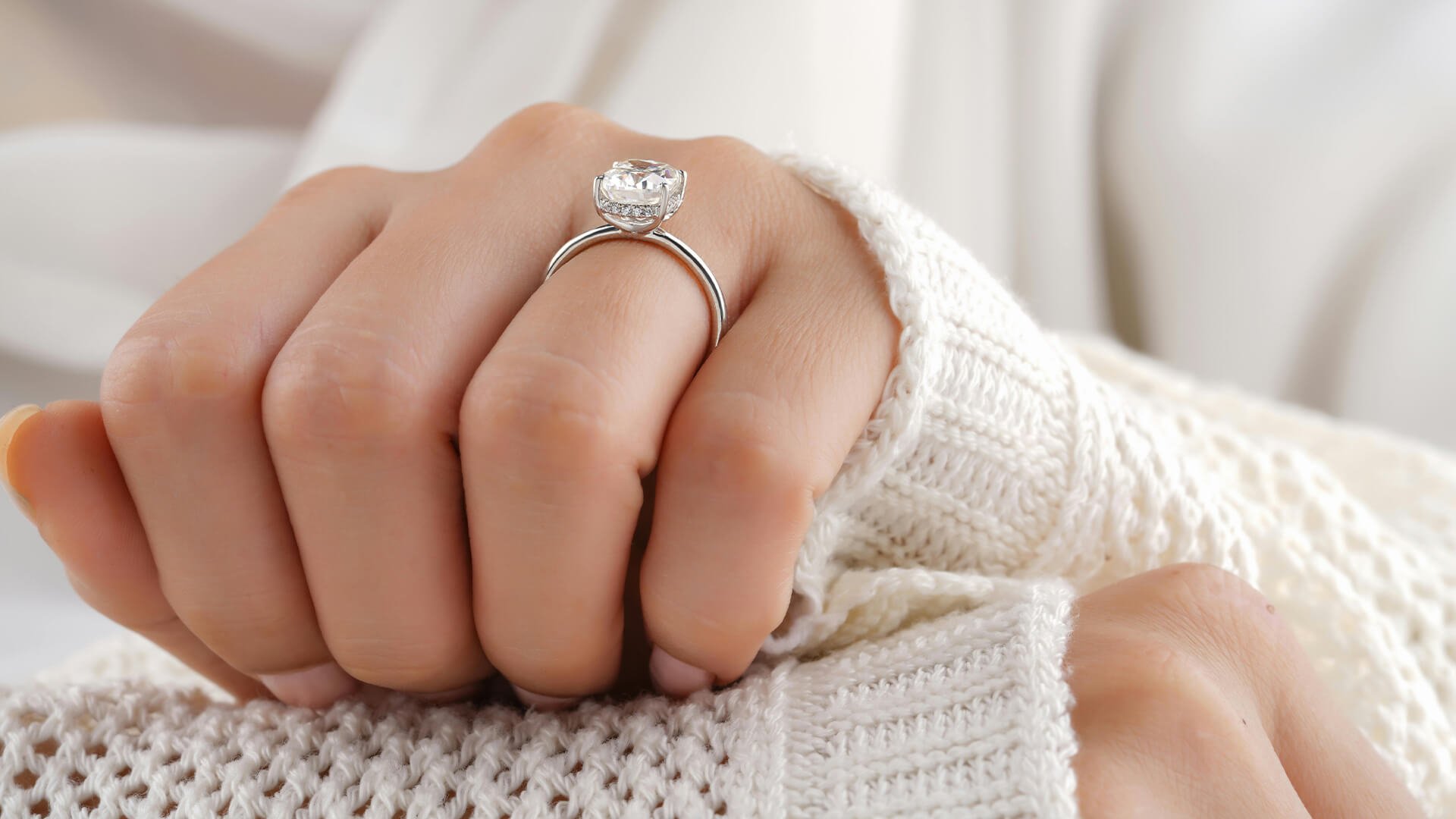
Setting style: Solitaire settings place full emphasis on the diamond. Halo settings surround the centre stone with smaller diamonds for added brilliance. Pavé bands add texture and light to the overall design.
Metal choice: Platinum is the most durable and hypoallergenic option. White gold offers a similar aesthetic at a lower price point. Yellow and rose gold settings complement warmer-toned diamonds beautifully.
The 4Cs: Cut, colour, clarity, and carat weight each influence the stone’s appearance and price. A skilled jeweller can help you prioritise the Cs that matter most to your partner’s preferences and your budget.
Customisation transforms a ring into something irreplaceable — a physical expression of a relationship that no off-the-shelf piece can match.
How to Choose a Natural Diamond Engagement Ring With Confidence
Purchasing a natural diamond is a considered decision. Here is a practical framework to approach it well:
- Set a clear budget range before browsing — this helps a jeweller guide you toward the best stone within your parameters rather than defaulting to the largest carat weight.
- Prioritise cut quality above all other Cs. A well-cut diamond of lower carat weight will outshine a larger, poorly cut stone every time.
- Request GIA or other internationally recognised certification for any diamond you consider. Certified stones have independently verified characteristics and are easier to insure and resell.
- Discuss setting preferences early. The setting significantly affects how the diamond appears on the finger — a round brilliant in a solitaire setting looks quite different from the same stone in a halo.
- Work with a jeweller who listens. The best engagement ring buying experience involves a jeweller who asks as many questions as you do.
Why Natural Diamonds Endure as a Generational Choice
Jewellery trends are fleeting. What hasn’t changed is the desire to mark life’s most important moments with something meaningful, lasting and beautiful. Real diamond rings have filled that role across cultures, across centuries and continents—not because of marketing, but because the stones themselves have qualities that speak to something universal.
Natural diamond never gets old. It is never lost. It doesn’t get blurry over the years. It’s that permanence that has ensured it remains the centrepiece of engagement rings for generations.
For couples who want their ring to carry the same weight of meaning fifty years from now as it does on the day of proposal, a natural diamond is not simply a choice — it is a statement.
If you are beginning your search for a natural diamond engagement ring that reflects your unique story, Rachel P Jewels offers bespoke consultation and engagement ring customisation designed to help you find exactly the right stone and setting — crafted with the intention that it will be worn and treasured for a lifetime. Explore their natural diamond ring collection to begin.
Frequently Asked Questions
What is the meaning of a natural diamond engagement ring?
A natural diamond engagement ring symbolises enduring love, commitment, and rarity. Formed over billions of years beneath the Earth’s surface, natural diamonds carry a permanence that reflects the lasting nature of a marriage. Their geological origin, cultural history, and individuality give them emotional weight that goes well beyond their visual beauty or monetary value.
Are natural diamonds worth more than lab-grown diamonds?
Yes, in terms of both current market value and long-term resale potential. Lab-grown diamond prices have dropped sharply in recent years due to increased production capacity. Natural diamonds, by contrast, are geologically finite — supply is limited and declining. GIA-certified natural diamonds retain stronger secondary market value and are generally considered a more stable long-term investment.
What should I look for when buying a natural diamond engagement ring?
Prioritise cut quality first — it has the greatest impact on a diamond’s brilliance. Then consider colour and clarity based on your budget. Always request independent certification from a recognised grading laboratory such as the GIA. Work with a jeweller who offers transparent diamond sourcing and will guide you through engagement ring customisation to match your partner’s preferences.
What is the significance of diamond symbolism in an engagement ring?
Diamond symbolism is rooted in the stone’s ancient association with indestructibility and eternity. The word diamond comes from the Greek adamas, meaning unconquerable. Across centuries and cultures, this quality has made diamonds the natural choice to represent unbreakable romantic commitment. Their rarity further reinforces this — the person receiving the ring is being told they are irreplaceable.
How does engagement ring customisation work?
Engagement ring customisation typically involves selecting a centre diamond based on cut, colour, clarity, and carat weight, then choosing a setting style and metal type that complement the stone. A jeweller will walk you through each decision, balancing your aesthetic preferences with your budget. The result is a ring designed specifically around your relationship rather than pulled from mass production.
Can a natural diamond engagement ring be an heirloom?
Absolutely. Natural diamonds are among the most durable materials on Earth and do not degrade over time. Their value — both sentimental and financial — can be passed down across generations. Unlike fashion jewellery, a well-crafted natural diamond engagement ring is designed to be worn, loved, and inherited, making it one of the most meaningful gifts a family can carry forward.