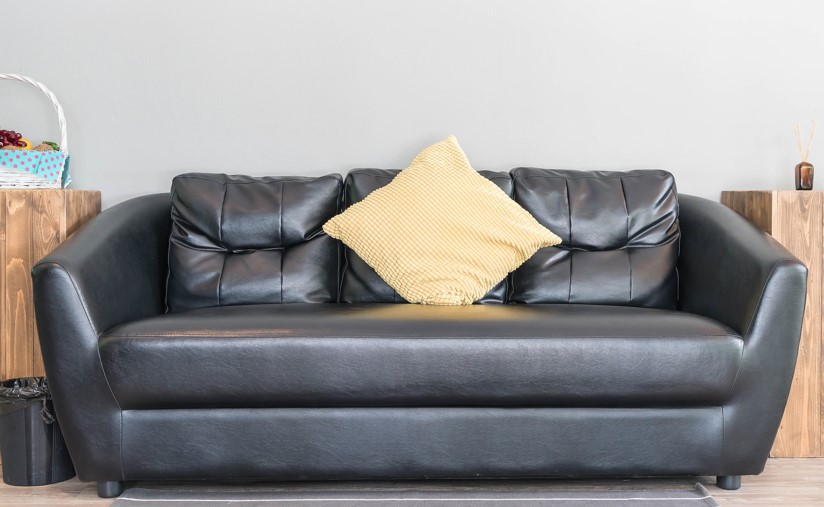
Leather sofas add comfort and style to living spaces. Over time, daily use leaves marks, cracks, and peeling that affect both look and feel. Sofa Leather Repair offers a smart way to restore strength without replacing furniture. While leather behaves like skin, it needs care to stay flexible and rich. When damage appears, early action limits the spread and keeps the structure intact. With the right steps, worn surfaces regain balance, colour, and comfort. As a result, the sofa continues to support daily life with ease.
Why Leather Sofas Start to Peel and Crack
Leather reacts to use, heat, and pressure. Therefore, damage builds over time. Pets, children, and sharp objects speed up wear. Once the top layer weakens, cracks spread faster.
- Even claws scrape the surface and tear fibres.
- Also, dry air pulls moisture from leather.
- Even sunlight fades colour and weakens texture.
- Also, body weight stresses the same spots.
Yet early action can stop damage from spreading and save the structure.
The Role of Daily Use
Every sit and shift bends the same areas. As a result, armrests and seat edges suffer first. Repeated movement strains fibres until they split. With care, these areas can regain strength and shape.
How Climate Affects Leather
Leather breathes like skin. Even heat and cold change the air moisture, and the surface reacts. Dry rooms stiffen leather, while damp spaces weaken it. Balanced indoor air keeps the sofa steady and smooth.
How to Handle Pet-Related Damage
Pets love sofas, but claws cause trouble. Even scratches that break the top layer, they invite peeling. A good pet scratch and peel damage fix restores the surface and smooths rough edges.
- Even trim loose leather with clean scissors.
- Also, clean the area with mild soap.
- Even apply leather filler to rebuild the shape.
- Also, blend the colour to match the sofa
Then the sofa regains balance and comfort.
Why Scratches Spread Fast
Once a claw lifts the surface, air reaches deeper layers. Therefore, peeling grows wider with each use. Quick care seals the break and stops further loss.
Teaching Pets Sofa Boundaries
Training helps reduce future damage. Soft throws attract pets away from bare leather. Scratching posts also guide claws to safer places. Over time, habits shift, and damage slows.
Early Signs Your Sofa Needs Attention
Small changes often warn of bigger problems. Because many signs appear slowly, owners miss them until damage grows.
- Dull patches on seats
- Fine lines near seams
- Flaking colour on edges
- Rough texture under the hand
Spotting these clues early allows quick care and better results.
Texture Changes to Watch
Healthy leather feels smooth and flexible. When it turns stiff or rough, fibres lose moisture. Conditioning at this stage restores softness and prevents splits.
Colour Loss as a Warning
Fading often signals surface wear. Sunlight and friction strip the pigment first. Restoring colour early protects the layer beneath and keeps the sofa even.
Simple Steps to Protect Your Sofa
Care slows damage and keeps leather strong. While repairs help, prevention matters more.
- Wipe spills at once
- Keep sofas away from direct sunlight.
- Use covers in high-use areas.
- Condition the leather to keep it flexible
Therefore, small habits protect the surface each day.
Cleaning Without Harm
Harsh cleaners strip natural oils. Gentle soap and soft cloths work best. Light cleaning once a week removes grit that cuts fibres during use.
Smart Sofa Placement
Position matters more than many think. Keeping sofas away from radiators and windows reduces heat stress. Stable temperatures support long-lasting leather.
Repair Methods That Restore Strength
Modern repair methods rebuild worn areas with care. While these steps target damage, they improve both look and feel.
- Surface cleaning to remove debris.
- Filling cracks to rebuild shape
- Colour blending for even tone
- Sealing to guard against wear
Each step supports the next, creating a strong finish.
Filling Cracks with Precision
Filler replaces lost material and smooths gaps. Thin layers work best, as they flex with movement. Once dry, the surface feels even again.
Blending Colour for a Natural Look
Colour matching hides repair lines. Careful blending keeps the sofa looking whole rather than patched. The result feels subtle and clean.
Why DIY Care Needs Caution
Home fixes appeal, yet mistakes cause harm. Sharp tools, strong chemicals, or thick fillers can worsen damage.
- Over-sanding thins the surface
- Strong cleaners dry leather
- Poor colour match draws attention.
Understanding limits helps protect the sofa rather than risk it.
Common DIY Errors
Many rush the process. Skipping cleaning traps dirt under filler. Thick layers crack once dry. Slow, careful work avoids these issues.
When Repairs Make the Biggest Difference
Cracks and peeling may seem final. However, skilled care changes that. A proper pet scratch and peel damage fix stops tears and restores texture. Because repairs target the weak spots, the sofa feels firm again and looks fresh.
Extending Sofa Life Through Care
Timely repair adds years of use. Instead of replacing furniture, care preserves comfort and style. Over time, this approach saves effort and keeps familiar pieces in place.
Long-Term Care for Lasting Results
After repair, care maintains results. Leather responds well to routine attention.
- Light cleaning each week
- Conditioning every few months
- Quick action on new marks
Consistency keeps the surface strong and smooth.
Building a Care Routine
Simple routines work best. Set reminders for cleaning and conditioning. With time, care becomes a habit rather than a chore.
Understanding Leather Types and Their Care Needs
Not all leather reacts the same way to use and age. Each type shows strength and limits differently; care choices must match the surface. When owners understand the material, damage reduces, and comfort lasts longer. Proper knowledge also prevents cleaning errors that weaken fibres over time.
Common Leather Finishes Found in Sofas
Different finishes affect feel and wear, so recognising them guides safer care.
- Protected leather resists daily marks.
- Aniline leather feels soft yet delicate.
- Semi-aniline balances comfort and durability
- Bonded leather wears faster under stress.
Final Thought
A damaged sofa does not signal the end of its use. With care and attention, worn leather can regain shape and comfort. Sofa Leather Repair helps seal cracks, rebuild texture, and protect weak areas. Even timely care slows wear; small fixes prevent large problems later. Regular cleaning, conditioning, and watchful habits support lasting results. In the long run, this approach preserves both value and comfort. A well-kept leather sofa remains a trusted part of the home for years.
FAQ
-
Can cracked leather regain its original feel?
Cracked leather can feel comfortable again with proper care. Cleaning removes grit, while filling restores shape. Conditioning then helps fibres regain flexibility, which improves texture and supports everyday use.
-
How often should a leather sofa receive care?
Light cleaning works well each week to remove dust. Conditioning every few months keeps the surface flexible. Regular checks help catch early wear before it spreads or deepens.
-
Do scratches always lead to peeling?
Scratches do not always cause peeling. However, untreated marks expose fibres to air and friction. Early attention seals the surface, which prevents damage from spreading across nearby areas.
-
What mistakes cause the most damage to leather sofas?
Using strong cleaners, placing sofas near heat, and skipping routine care cause harm. These actions strip moisture, weaken fibres, and speed surface wear over time.