


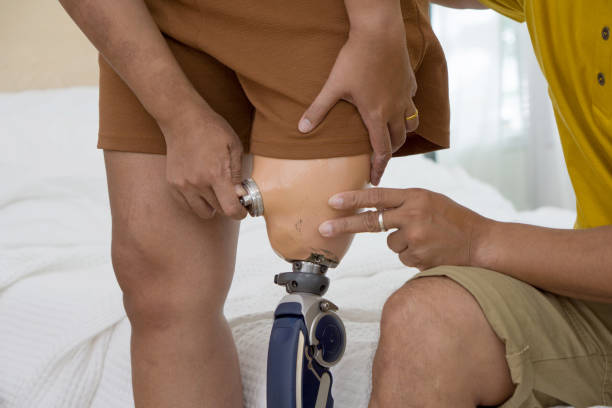
Losing a leg changes how the body moves, but the right care brings back strength and control. Physiotherapy helps people stand tall, find balance, and move without fear. Using a transtibial prosthesis may feel odd at first, but each step builds trust and courage. With steady help and daily effort, the path gets smoother.
Why Physiotherapy Matters After Limb Loss
Physiotherapy speeds up healing. It sharpens movements, toughens weak muscles, and teaches the body how to carry weight in a new way. Quick action after surgery makes a big difference later.
- Toughens the muscles in the leftover leg.
- Pushes swelling away and keeps blood moving.
- Coaches the body to move safely and sit straight.
Key Stages in the Rehab Journey
Every stage of rehab adds power to the next. Physiotherapy lights the way, from early healing to full movement.
Pre-Prosthetic Phase
Before someone starts using the new leg, therapists:
- Clean and care for the healing limb.
- Fire up the arms and shoulders.
- Shape the limb to take weight and pressure.
Early Prosthetic Training
After fitting the prosthesis, the person must learn to trust it. A therapist shows how to begin with small, steady steps.
- Rock weight from side to side
- Practice wearing and removing the new leg.
- Use a mirror to fix standing and walking
Long-Term Strength and Mobility
Later sessions make the person stronger and steadier. Therapy at this point helps the body move better without falling or hurting.
- Lift the hips and tighten the tummy muscles.
- Stretch stiff parts like thighs and calves.
- Walk over sand, grass, or slopes without fear
Setting Realistic Goals in Rehab
Therapists help people choose clear, simple goals. Everyone moves at a different speed, so these goals match each person’s life and strength.
- Walk from room to room without help.
- Climb stairs with ease.
- Return to work or sports safely.
Even small wins feel big. These steps bring joy and keep the person moving forward.
Emotional Resilience Through Movement
Losing a leg feels hard. Many people feel sad or scared. Moving again helps lift the mood and bring back hope. Therapy strengthens both the body and the mind.
Therapists:
- Cheer on each try and effort
- Encourage talks during tough days.
- Help the person stay close to family and friends
Feeling strong inside makes the body braver and more ready for each task.
Everyday Skills Training
Physiotherapy also trains people to handle daily life. The therapist sets up home-like spaces to practise real tasks.
- Get out of bed with ease.
- Use the toilet without slipping.
- Bend to pick things safely.
Learning these skills brings freedom and joy. The person starts to feel in charge again.
Importance of Balance and Proprioception
Balance often disappears after surgery. The body forgets how to stay upright. Physiotherapists wake up these lost senses.
They use:
- Wobbly pads to test balance
- Eyes-closed standing drills
- One-leg standing to improve control.
This training builds steady steps and prevents falls.
Singapore Transtibial Physio Guide
Transtibial Prosthesis Physiotherapy Singapore centres offer care from well-trained therapists. Sessions focus on climbing stairs, stepping on grass, or walking up ramps. These real-life settings help the person feel ready for life outside the clinic.
The city’s clean parks and public spaces make therapy feel less scary. Therapists blend outdoor walks with indoor practice to create stronger, smarter movement patterns.
The Role of Assistive Tools in Recovery
Therapists bring in special tools during therapy. These tools help the body learn better moves before walking alone.
Some common tools include:
- Metal bars to hold for balance.
- Canes or walkers to guide early steps.
- Resistance bands to grow muscle power.
People use these tools for a while and let go when ready. Each step forward builds courage and skill.
Working With Family and Caregivers
Healing grows faster with strong support. Therapists show family members how to help with care and cheer during hard days.
Families:
- Watch for unsafe walking or weak posture.
- Give help without doing too much.
- Clean the prosthesis and check for signs of wear.
Good teamwork at home makes the whole journey easier and safer.
Adapting the Prosthesis Over Time
The body changes as it gets stronger. The prosthetics services must keep up. Physiotherapists work with fitters to weak or swap parts when needed.
Reasons to change might include:
- A prosthetic foot wears out.
- The limb shrinks or grows.
- A person wants to play sports or stay more active.
Therapists watch closely and guide changes early to avoid pain or injury.
Benefits of Committing to Physiotherapy
Good physiotherapy brings big rewards. It keeps the body strong, safe, and free from harm. Skipping sessions slows progress and invites trouble.
- Sharpens confidence in every step.
- Cuts the chance of trips and slips.
- Protects the back, hips, and other joints.
Many who follow transtibial prosthesis physiotherapy Singapore notice faster progress and fewer setbacks. Regular sessions grow strength, balance, and trust in the new limb, helping people live fully and move with ease.
Keeping Up With Exercises at Home
Therapy doesn’t end after clinic visits. People must stretch and strengthen their bodies at home, too. Therapists give easy routines to follow daily.
These home habits:
- Keep muscles from going weak.
- Help balance and stay sharp.
- Let the body stay ready for longer walks or play
Staying active at home keeps progress strong and steady.
Exploring Movement Beyond Walking
Some people dream of dancing, swimming, or cycling again. Therapists help shape those dreams into real goals. They adjust routines to build the right strength and timing.
Together, the person and therapist:
- Test safe ways to try new moves
- Build stamina for sports or travel.
- Plan to avoid strain.
Life doesn’t stop at walking—it grows beyond it with smart guidance and trust in the body.
Final Thoughts
Surviving with a new limb takes time, strength, and brave effort. A transtibial prosthesis opens the door to freedom when the body learns how to use it well. Physiotherapy shapes that learning with smart moves and strong support. When people stretch, practise, and believe in their steps, they grow steady and proud. Each small move leads to a fuller, stronger life.