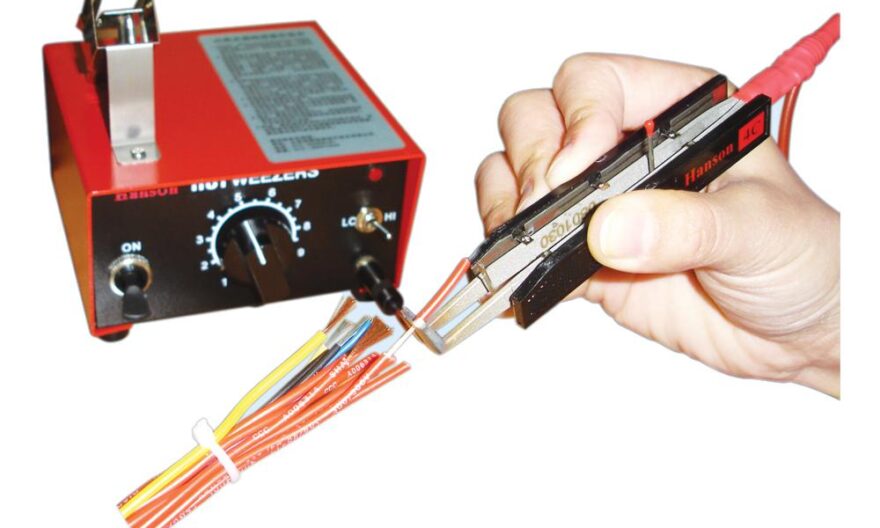
Working on delicate electrical or electronic tasks demands accuracy, control, and care. Choosing the right tool can change everything, especially when handling fine wires. A thermal wire stripper offers a clear edge in these situations. Unlike traditional strippers that use blades or mechanical force, this tool uses heat to remove insulation. It melts and lifts the covering cleanly, without harming the wire underneath.
In this guide, you’ll explore five clear benefits of using a thermal wire stripper. Whether you’re a technician, student, or someone learning the trade, understanding these benefits can make your work easier and cleaner.
1. Achieves High Precision Without Damaging the Wire
Precision matters when working with tiny wires. Older methods like manual strippers, can slip or bite into the conductor. These slips may weaken the wire, break strands, or ruin connections. But a thermal wire stripper melts insulation evenly. It peels it away without pulling or squeezing.
This technique works well on thin or heat-sensitive wires used in electronics. You won’t scar the copper or leave cuts on the surface. Instead, you protect the wire’s shape and strength. This keeps signals strong and connections secure. If you want your wires to last longer and perform better, start with precision.
2. Works Cleanly with Thermally Sensitive Materials
Modern devices often use wires with tricky insulation. Some types melt too fast, while others crack when bent. Using a blade tool on these wires may strip too much or not enough. In contrast, a thermal tool melts only the outer layer, leaving the core safe and solid.
For example, if you use thermally conductive epoxy in your project, you need clean, even contact points. Scratched or uneven wires block heat flow. A thermal stripper prepares the wire ends perfectly. You get smooth contact and better bonding.
Technicians in aerospace, audio, or circuit work often choose this method for its control.
3. Saves Time During Repetitive Jobs
Cutting and stripping wires by hand can take time and focus. When you work on big jobs — like harness assembly or lab builds — you need speed. A thermal wire stripper cuts work time without lowering quality.
Once heated, it strips wire after wire with little delay. You won’t need to adjust pressure or change blade sizes. This saves your hands from strain and your brain from stress.
In cleanrooms or production spaces, time matters. Thermal strippers speed up the process, so you can move to bonding, soldering, or using thermally conductive adhesive without delay.
4. Reduces the Risk of Wire Fray or Loss
Wires inside a cable often carry important signals. When you use rough tools, you risk snapping fine strands or pulling them loose. Even one broken strand can lower performance or cause a failure later.
A thermal stripper lifts insulation without movement. The tool glides across the wire gently, melts only what’s needed, and leaves the metal untouched. This lowers the chance of breaks or missed cuts.
If your next step involves applying a thermally conductive epoxy, you want every strand intact. Good heat flow depends on full contact. Damaged wires block heat, slow transfer, and cause failure over time.
5. Supports Better Bonding and Soldering
When you prepare wires for bonding or soldering, the surface must be clean. Oils, scratches, or insulation left behind can cause poor joints. A thermal wire stripper gives you a clean surface without rough edges or sharp cuts.
That matters when you apply thermally conductive adhesive, which must touch the full surface. A smooth wire face gives better contact. Heat spreads more evenly, and parts last longer.
In many high-performance projects — like sensors, medical tools, or robotics — this step makes a big difference. The better your prep, the stronger your result.
Where a Thermal Wire Stripper Fits Best?
You can use this tool across many industries and jobs. It’s useful in:
- Electronics labs
- Aerospace workstations
- Audio equipment builds
- Medical device repairs
- School science rooms
- Solar panel wiring
Wherever wires must stay clean, precise, and strong, thermal stripping helps. Let’s compare some use cases quickly in a table for easy reference.
Use Case Comparison
Here’s a quick look at where thermal stripping improves results over other methods:
| Job Type | Traditional Stripping Risk | Thermal Stripping Benefit |
| Audio Cable Repair | Fraying, uneven stripping | Clean cut, better sound signal |
| Sensor Wiring | Damaged strands, poor connections | Full integrity of the wire preserved |
| Solder Prep | Burn marks, insulation remains | Smooth surface, strong joint |
| Thermally Bonded Parts | Incomplete heat transfer | Full contact for adhesives and epoxy |
| School Projects | Too much force, wire breakage | Gentle action is safe for beginners |
Key Differences Between Tools
People often ask: What makes a thermal stripper better than a regular one? It boils down to control, safety, and smooth results.
- Manual strippers cut with blades and need firm hands.
- Automatic strippers pull fast but still grab the wire.
- Thermal strippers melt insulation without pressure or pull.
That small difference makes a big impact, especially when the job involves soft wires or thin layers. The goal is always clean prep without damage — thermal stripping makes that easier.
How to Use a Thermal Wire Stripper Safely
Using a thermal tool is simple, but you still need care. Always read the instructions and heat the tip before starting. Then:
- Insert the wire gently between the tips.
- Hold still while the heat melts the insulation.
- Pull the wire back slowly to peel off the coating.
- Clean the tips after each use.
Let the tool cool before you store it. Wearing gloves and eye protection also keeps you safe during long work sessions.
Choosing the Right Tool for Your Needs
Not every job needs thermal stripping. But if your work calls for:
- Precision
- Fine wires
- Clean ends
- Heat-sensitive coating
- Strong bonding
Then this tool can help. It reduces risk, protects your parts, and saves time.
If you already use thermally conductive epoxy or thermally conductive adhesive, then starting with clean, smooth wires is vital. The quality of your joint depends on the surface you prepare.
Final Thoughts
Choosing the right stripping method shapes the whole project. A thermal wire stripper works faster and safer for jobs that demand accuracy. It keeps wire strands intact, avoids damage, and prepares your work for soldering, bonding, or wrapping.
Whether you’re building a robot, wiring an electric car, or fixing a classroom circuit, precision matters. Clean wires lead to strong bonds. Strong bonds make devices last longer.
For More Information : Neotech Engineering