


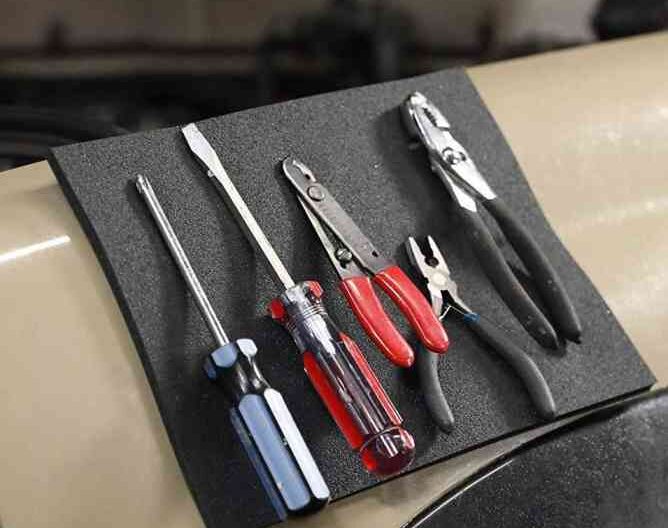
Crafting, fixing, or fitting components requires skill, care, and the right tools. In many workshops across different industries, magnetic tools now claim a central place. Their ability to grip, hold, retrieve, or align metallic objects changes how tasks unfold, saving time while raising accuracy.
From home garages to professional workshops, magnetic tools support workers in fields where grip, control, and safety matter. Mechanics, metalworkers, and assembly line teams reach for these tools not because they look fancy, but because they work.
This guide explains how magnetic tools sharpen performance, reduce waste, and support reliable results, especially when used with precision-based equipment like Fitting Tools or integrated into systems supported by automotive tool suppliers.
What Are Magnetic Tools?
Magnetic tools use embedded magnets to attract or hold metal components. Some include simple shapes like pick-up sticks or trays, while others involve more complex systems like magnetic bases or angle finders.
A magnetic screwdriver holds fasteners firmly in place. A magnetic parts tray keeps nuts from rolling off the bench. Even high-end measuring devices often rely on magnetic mounts to stay stable during use.
The common thread lies in grip and control. In places where hands shake, small parts slip, or spaces feel tight, magnetic tools anchor precision.
Why Workshops Depend on Magnetic Tools?
Any mechanic or technician knows the frustration of dropping a washer deep into an engine block. Instead of fishing around or removing parts, a magnetic pickup wand reaches in and lifts it out cleanly.
Here’s how these tools earn their keep in daily work:
1. Save Time During Assembly
- Magnetic tips on screwdrivers help hold fasteners while users position components. Workers no longer struggle with dropping small parts mid-assembly. The tip grips the screw until it lands where needed.
2. Prevent Part Loss
- Many trades involve small metallic objects—bolts, pins, nuts. A magnetic tray locks them in place while you move around or switch tasks. You don’t chase lost pieces across the floor.
3. Improve Precision and Safety
- Magnetic holders or gauges fix tools in position for cutting, welding, or aligning. This steady grip supports sharp angles, straight cuts, and accurate joins. Tools stay where they’re placed, lowering the risk of injury or error.
Across various trades, including plumbing, electrical work, or body repairs, these tools strengthen outcomes while reducing effort.
Common Types of Magnetic Tools
The market offers a wide range of magnetic tools. Some suit specific trades while others apply broadly.
Here are some of the most widely used:
| Tool Type | Function |
| Magnetic Pickup Tool | Retrieves metal objects from hard-to-reach areas |
| Magnetic Tray | Holds small fasteners and parts during work |
| Magnetic Bit Holder | Locks the screwdriver bits in place |
| Magnetic Base Stand | Supports dial gauges or test equipment on ferrous surfaces |
| Welding Magnet | Fixes steel plates or pipes at set angles during welding tasks |
| Magnetic Strip/Bar | Organises hand tools on walls or benches |
These tools help reduce clutter, speed up routine tasks, and sharpen accuracy in hands-on work.
How do Magnetic Tools Support Fitting Work?
Precision matters in fitting tasks. Whether setting bearings, aligning components, or adjusting tension, small errors can cause failure. That’s why magnetic tools often work alongside Fitting Tools, not just for convenience, but for exactness.
- Magnetic bases anchor measuring instruments. During alignment or calibration, a firm, unmoving base improves reading quality and repeatability.
- Small pickup tools retrieve lost parts. When a spacer falls into machinery or a shim slips into a gap, a magnetic retriever cuts recovery time.
- Welding magnets to steady parts before final tightening. During mock assembly, these tools hold fittings together while bolts or nuts go in.
Fitters who work in tight corners or complex shapes trust these tools for support and stability.
Role in the Automotive Industry
Vehicle repair demands accuracy, speed, and the right tools. Many shops now include magnetic tools in standard kits supplied by automotive tool suppliers. These tools save seconds during repair but also prevent larger mistakes.
- Engine bays often trap bolts and clips. A magnetic claw or wand snatches them without dismantling nearby parts.
- Fast-moving assembly work needs a reliable grip. Magnetic tools hold parts ready while mechanics align hoses, panels, or brackets.
- Electrical repairs involve tiny connectors. A magnetic base can fix a light or testing device where hands can’t reach.
Workshops rely on these tools not only to move faster but to keep repair quality high.
Tips for Using Magnetic Tools Correctly
Though simple in appearance, magnetic tools need thoughtful handling. When used with care, they extend tool life and improve outcomes.
Follow these tips for the best results:
- Clean the magnet surfaces often. Dust or metal flakes build up and weaken the magnetic hold. A clean tool grips better.
- Store magnetic tools separately. Keeping them near sensitive electronics or measurement devices may interfere with readings or calibration.
- Use the right strength magnet for the task. Too strong may damage parts or scratch surfaces; too weak may fail mid-task.
Proper care ensures magnetic tools work longer and perform at their peak each time.
When to Choose Magnetic Tools?
Magnetic tools suit many types of work, but shine most in certain conditions:
- Tight or awkward spaces. Tools that retrieve or hold without needing fingers improve speed and ease.
- Small fasteners or metal parts. Magnets stop these from scattering or falling out of reach.
- Tasks needing both hands. A magnetic holder frees your hands to focus on fitting, turning, or tightening.
- Assembly lines or repetitive tasks. Efficiency rises when tools reduce small delays or errors.
Each of these situations benefits from the simplicity and power that magnets bring to the workbench.
Magnetic Tools Across Industries
Though often linked to automotive work, magnetic tools serve many trades. Electricians, HVAC technicians, metalworkers, and builders all benefit from their unique features.
- HVAC: Workers use magnetic holders for thermostats or tools while on ladders or in roof spaces.
- Electrical work: Pickup tools help find screws dropped inside panels or boxes.
- Metalworking: Magnets steady parts for grinding or welding and keep workspaces tidy.
- General maintenance: Magnetic toolholders keep tools in view and within reach, speeding up checks and adjustments.
These examples prove the value of magnetic tools beyond any single trade.
Final Thoughts
Across industries, magnetic tools continue to reshape how work gets done. Their grip, ease, and versatility support both precision and safety. Whether used during fitting tasks, sourced from automotive tool suppliers, or stored in a toolbox for emergencies, these tools earn their place by solving everyday problems with quiet power.
Magnetic tools don’t just help. They transform tasks that once seemed slow or tricky into routines that feel smooth and controlled. From gripping bolts to holding brackets, they free up hands, save time, and make every move sharper.
For More Information : Chee Fatt Co. Pte Ltd