


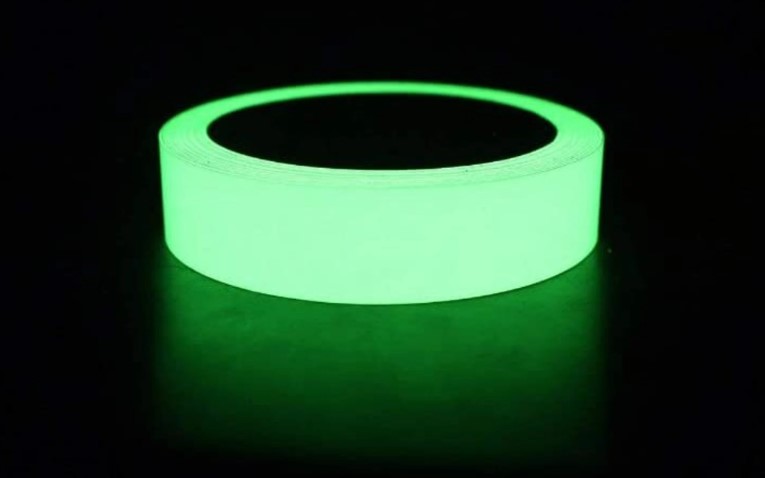
The sudden blackout at sea transforms a safe vessel into a high-risk space within moments. The failure of the lights makes it difficult to navigate through even the known routes. The situation requires clear guidance as a fundamental necessity.
The majority of ships and marine facilities depend on their powered lighting systems. The systems operate normally until they encounter fires, faults, or extreme weather conditions.
Luminous tape provides a basic but effective solution. The guide shows how luminous tape enhances safety in marine environments through its specified locations and essential role in ocean areas.
What Is Luminous Tape and How Does It Work?
Luminous tape, which people know as photoluminescent tape or glow-in-the-dark tape, operates by absorbing daylight and releasing that absorbed light during nighttime hours. The system requires neither batteries nor electricity nor switches to function.
The system operates through a chemical reaction that uses phosphorescent pigments as its main component. The pigments in the material absorb energy when they come into contact with natural light or artificial light sources. The pigments release stored energy as a soft visible light, which appears in dark environments.
Why the Marine Environment Makes Safety Marking Harder
Ships and ports are not like offices or warehouses. The conditions are harsher, and the stakes are higher.
Here is what makes marine environments particularly challenging:
- Constant movement: Vessels roll and pitch, making floors and stairways harder to navigate
- Wet and slippery surfaces: Spray, rain, and humidity are constant
- Confined spaces: Engine rooms, cargo holds, and corridors are narrow and poorly lit
- Night operations: Cargo loading, crew transfers, and maintenance happen around the clock
- Power failure risk: Emergencies often knock out lighting systems.
Where to Use Luminous Tape on Ships
Emergencies at sea create situations which need all available resources to operate at full efficiency.
Emergency Escape Routes
This application serves its most crucial function. Luminous tape along walls, floors, and exits creates a clear path to safety during blackouts or heavy smoke.
Steps, Hatchways, and Thresholds
These locations produce hazardous situations which lead to slip and fall accidents. People who walk through dark areas will face reduced danger because luminous tape shows every step through its installation at the edges.
Fire Safety Equipment
The location of fire extinguishers and valves needs to become visible to all people. Luminous tape highlights their location, so crews can respond without delay.
Control Panels and Switches
Engine room areas need to become accessible for operational purposes. Luminous markings help crew locate key controls fast, even when lighting fails.
Marine Facilities: Jetties, Shipyards, and Port Terminals
It is not just ships that need luminous tape. On land, marine facilities face many of the same challenges.
Jetty Walkways and Gangways
These areas are often unstable and exposed to water. Movement, wet surfaces, and low light increase the risk of slips and falls.
- Mark handrails to guide movement at night
- Highlight step edges for better footing
- Improve safety during tide shifts and poor weather
Emergency Evacuation Routes in Port Buildings
Port buildings need clear escape paths just like ships. Proper markings help people exit quickly during emergencies or power loss.
- Ensure routes remain visible in blackout conditions
- Support compliance with safety standards like SCDF
- Reduce confusion during evacuations
Bollards, Cleats, and Edge Markings
Dockside equipment can be hard to spot in the dark. Marking these hazards helps prevent trips and injuries.
- Make obstacles visible to workers and crew
- Reduce accidents in busy dock areas
- Improve awareness during night operations
How to Choose the Right Luminous Tape for Marine Safety
The correct selection of luminous tape for marine safety guarantees its optimal performance during critical moments.
Look for Marine-Grade Durability
Salt, moisture, and ongoing usage create challenges for ships. The tape must handle these conditions without peeling or fading.
Check the Glow Duration and Brightness
Brightness and glow time are key for safety. The correct tape should maintain its visibility for multiple hours after it receives light.
Verify Compliance with Standards
Safety standards ensure reliability. Always choose tape tested for marine use and approved under recognised guidelines.
Consider Width and Format
Different areas need different sizes. The correct width selection helps to improve visibility while maintaining complete coverage.
Luminous Tape for Marine Safety: Meeting Regulations in Singapore
Singapore stands as one of the world’s most active port outlets. The Maritime and Port Authority of Singapore (MPA) follows international maritime safety standards, which include the International Maritime Organisation guidelines about photoluminescent systems.
All vessels which operate under Singapore’s flag or visit Singapore ports must follow the requirements set by IMO MSC/Circ. 1167 and its associated resolutions. This means:
- Approved photoluminescent materials must be used
- Installation must follow the recommended patterns for escape routes
- Regular inspection and maintenance are required
Conclusion
Luminous tape serves as an affordable safety solution which requires minimal expenses for ship operators and marine facility owners. The system operates independently of electrical power while requiring little upkeep time to provide safety guidance to crew members and workers during extreme weather conditions.
The system enables Singaporean vessel operators and port facility managers to fulfil international maritime organisation and maritime and port authority regulations. The safety markings need assessment to determine existing deficiencies, which should be fixed by implementing marine-grade tape in crucial areas.
FAQs
What is the function of luminous tape on ships?
Luminous tape creates visual markings of escape paths and staircases, hatch openings, firefighting equipment, and operational control areas on ships. The system enables crew members to find their way through dark spaces and power outages, which allows them to exit the vessel during emergencies.
Do luminous tape products satisfy the IMO maritime safety requirements?
The IMO-approved photoluminescent tape product fulfils the requirements established in IMO MSC/Circ. 1167 and resolution A.752(18). You must confirm that the product contains a valid certification before you install it.
How long does luminous tape maintain its dark glow?
Marine-grade luminous tape shows a glow duration between 6 and 10 hours after it receives sufficient light exposure. High-performance variants may glow longer. The tape maintains operational capacity because its brightness decreases progressively throughout the entire nighttime period.
Does Singapore law mandate the use of luminous tape in all marine facilities?
The SCDF regulations mandate all commercial and industrial establishments in marine facilities to implement photoluminescent safety markings. All vessels which operate under the MPA authorities must follow the relevant International Maritime Organisation guidelines for photoluminescent systems.
