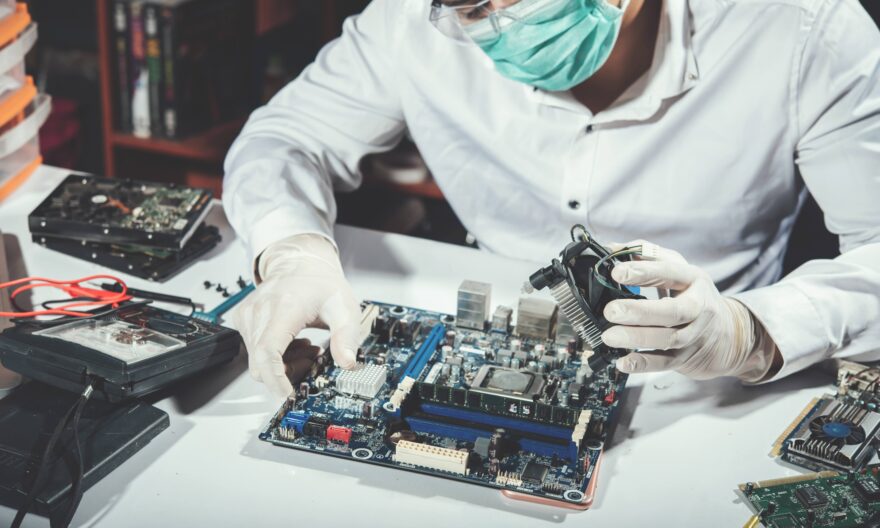
New firms face big pressure to launch goods fast and with good quality. Each choice shapes if they win or lose in tough markets. Hardware start-ups face rigorous tests that software firms never see. The parts inside their goods must work right from day one. PCB design services give the know-how to turn ideas into working electronics. Pro designers bring years of skill that stop costly slips during the build. This know-how helps startups with little time and few resources.
Why Circuit Board Design Matters So Much
Circuit boards act like the brain of each electronic product. They link parts and carry signals that make devices work right. Bad board plans lead to noise, heat, and trust issues. Fixing these after the build costs huge time and cash. Skilled designers avoid these traps through tried ways.
Reasons Board Design Shapes Product Success
- Signal flow changes if data moves cleanly between parts on the board. Incorrect paths make noise that makes devices act odd or fail. Successful plans make sure signals get where they need to on time.
- Power spread makes sure each part gets steady power during use. Poor power leads to odd failures that upset users and hurt brands. Good plans make clean power reach all parts well.
- Heat care stops hot spots that harm parts and cut product life. Too much heat leads to early failures and fixed costs that drain startup cash. Good plans spread heat across the board for steady work.
These points shape whether goods win or lose in the market. Skilled designers look at each point during the first plan phase.
Speed to Market Matters
Startups work in places where timing makes or breaks them. Getting goods to market ahead of rivals gives a big edge. Pro designers speed up work by dodging common slips. Their skill cuts test runs that use up scarce time. This speed helps startups launch when market doors stay open.
Ways Designers Speed Up Work
- Fewer test runs means plans work right on the first or second try. Each test run eats weeks and drains tight startup funds. Skilled designers know how to build limits that cause issues later.
- Teamwork at once lets many parts of the job move ahead together. Designers work with part makers to make sure boards fit cases correctly. Teamwork with code writers makes sure software can use the board’s tools.
- Plan checks catch issues before they get set in the build tools. Check the steps to find build issues that would cause delays later. This care stops costly rework during final build steps.
These ways cut work times that would otherwise stretch for months. Startups launch faster, grabbing market chances before rivals get there.
Tapping Into Industry Know-How
Pro designers bring know-how built from many jobs and fields. They know which parts give the best mix of cost and work. Their skill shows which sellers give good parts and which cause delays. This know-how saves startups from digging into each small bit on their own.
Ways Designer Know-How Helps
- Part choice skill picks parts with good track records across many uses. Designers know which parts give the best mix of cost and work. They know the give and take between part supply, price, and specs.
- Build know-how shows which building methods work for each board type. Designers know how to pick stuff that mixes cost with work needs. This know-how makes sure plans move smooth to build with no shocks.
- Supply chain sight shows which parts have steady stock and long life. Designers know which sellers give good parts and which cause waits. This foresight stops build snags from part gaps or stops sales.
This know-how saves startups from learning costly lessons by trial and error. Skilled designers have seen what works and what fails across many jobs.
Keeping Costs Down
Startups must watch budgets closely while making their first goods. Pro designers find ways to cut costs without giving up quality or trust. They pick parts that meet needs at the lowest price. Their plans shrink the board size, cutting costs and building. These gains add up across thousands of units made.
Ways Designers Cut Product Costs
- Part cost cuts find other parts that give the same work for less cash. Designers know which swaps keep trust while cutting costs by a lot. They skip picking parts that add cost with no real gain.
- Provide board size, trim cuts, materials used, and build costs for each unit. Manufacturers produce small boards at a lower cost and assemble them in large batches. Excellent plans also cut case size and ship costs.
- Build ease cuts the steps needed to put each board together. Plans with fewer parts cut both the stuff and the work costs. Standard steps cost less than those that need special care.
These cost cuts add up across thousands of units made. Small cuts add up to big gains in profit.
Dodging Common Startup Traps
First-time hardware founders often make the same slips during work. They may pick parts that stop being made before the build starts. Plans may need to build steps that push costs too high. Pro designers have seen these issues before and know how to stop them.
Traps Designers Help Startups Skip
- Part stop issues occur when the picked parts run out before the build starts. Designers know which parts have steady stock and a long life. They pick other parts when the first pick faces stop sales.
- Building too hard raises costs when plans need odd steps or stuff. Skilled designers make plans that use standard build methods throughout. This way keeps build costs steady and in check for startups.
- Test gaps make quality checks hard and pricey after the build starts. Designers put in test spots that make checks simple throughout the build. These spots catch flaws early when fix costs stay low.
Stopping these traps saves startups from pricey rework and launch waits. Each skip saves scarce funds for other work needs.
Growing With Success
Good goods will need to build runs far past test runs. Plans made without growth in mind often need a full redo. Pro designers make plans that work for both small and large runs. This foresight stops the need to redo boards after the first wins.
Growth Points Designers Look At
- Steady steps make sure plans work for test runs and large runs alike. Small test runs use different steps than big runs. Designers make plans that stay workable across both.
- Part supply examines wait times for parts that cause delays as production runs increase. Designers pick parts with adequate stock throughout the supply chain. They pick more than one source when one source brings too much risk.
- The test shift sees how inspection methods change as runs grow. Hand checks work for test runs, while auto ways fit large runs. Designers put in tools that work both ways.
Growth-ready plans stop costly redos when goods take off. Startups can boost runs without pausing to redo work.
Final Thoughts
Hardware startups face challenging tasks that skilled pros can help with. PCB design services give know-how that speeds work while cutting risk. PCB Designer for Startups brings skills built from many jobs and fields. Pro designers skip common traps that eat time and cash.
They make plans to build ease, cutting costs at each step. Their skill ensures goods launch with trust and grow smoothly. Working with pros lets heads put time into key firm tasks. PCB Designer Service ties give steady help across product updates. Firms like ACP Design know the needs of new hardware firms. Their skill helps startups turn ideas into beneficial goods that reach buyers.
Common Questions
Why should startups hire pro PCB designers instead of doing it in-house?
Pro designers bring years of skill that stop costly slips. They finish plans faster and know the build needs that change product success.
How do skilled designers cut product build costs?
They pick parts that give good value and make plans that shrink board size. Their plans make building steps simple, cutting build costs by a lot.
What makes PCB design key for hardware startup success?
Board plan shapes product trust, builds cost and reduces work time. Bad plans lead to field failures that hurt brand names and buyer trust.
How do pro designers help with growth in runs?
They make plans that work for both test runs and large runs. Their part picks look at the stock and supply chain that change as runs grow.