You will notice the difference right away – your hair will be softer, more manageable and healthier after an expert anti frizz hair treatment in Singapore. But that conclusion does not stand. Frizz will return in weeks without the right aftercare routine. The good news? Some simple habits at home will make your treatment last much longer and keep your hair looking salon-fresh for much longer than you think.
Why Hair Care After Treatment Is So Important
Once they leave the salon chair most people think the hard work is over. It doesn’t. In Singapore’s humid climate, your hair is constantly battling moisture imbalance, heat and environmental exposure. A professional treatment re-sculpts the cuticle of the hair, but that structure needs to be protected for it to last.
It’s like a freshly painted wall. Once it’s applied, the paint job is flawless. But if you don’t take the right care – seal it, clean it gently, don’t damage it – it will begin to chip and fade faster than it should.
How long do anti-frizz effects last?
Depending on the type of treatment, your hair’s natural texture, and your consistency with aftercare, most professional anti-frizz treatments will last anywhere from 8 to 16 weeks with proper maintenance. Results on fine or chemically colored hair may fade closer to the 8-week mark. If you use the right products at home, results can last longer with coarser or tougher textures.
Most people don’t realize how much your daily habits matter. How often you wash your hair, heat style and how you towel-dry your hair can all affect how long your treatment lasts.
The First 72 Hours: Handle With Care
The first 3 days after any professional anti-frizz haircare treatment are the most important time. The bonds in the hair strand are still relaxing. In this screen:
- Don’t wash your hair for at least 48 to 72 hours
- Don’t tie your hair up or use clips that crease your hair
- Stay away from humid places like saunas and steam rooms
- Sleep on a silk or satin pillow case to reduce friction
- If it makes a bend don’t tuck your hair behind your ears
Such minor precautions protect the treatment as it sets fully. One of the most common reasons clients feel like their results “didn’t last” is rushing back to your usual routine too quickly.
Selecting the Best Shampoo and Conditioner Post Treatment
Why You Should Use Sulphate-Free Formulas
Sulfates are very strong cleansing agents – but they will strip the natural oils from your hair and break down treatment bonds faster than anything else. Once you’ve had an anti-frizz treatment, you have no option but to switch to a sulphate-free shampoo. It is necessary.
Look for shampoos labeled as ‘smoothing’, ‘moisture-locking’ or ‘keratin-safe’. They are specially made to not interfere with treatment chemistry.
Conditioner: Use it with every wash
The conditioner replaces moisture and helps keep the cuticle flat, which is exactly what your anti-frizz treatment was made to do. It’s counterproductive to skip the conditioner after a treatment. Apply from mid-lengths to ends, leave on for two to three minutes and rinse with cool or warm water . Hot water raises the cuticle and that accelerates frizz.
Heat Styling: Do It Right (And Why Less Is More)
It’s not realistic for most people to avoid heat tools altogether. But how you use them makes a big difference. Here’s a practical breakdown of it:
|
Tool |
Recommended Setting |
Key Tip
|
|---|---|---|
|
Hair Dryer |
Medium heat, cool finish |
Always use a diffuser or nozzle attachment |
|
Flat Iron |
150–180°C max |
Apply heat protectant on damp hair before drying |
|
Curling Wand |
160°C or lower |
Limit use to once or twice a week post-treatment |
A heat protectant spray is not a gimmick, but a physical barrier over the cuticle that prevents the loss of moisture and direct heat damage. Use it every time you heat it.
How Often Should You Wash Your Hair After Treatment?
Over washing is one of the quickest ways to shorten the life of any hair treatment for frizzy hair. The climate in Singapore is such that many people wash on a daily basis. Try and get that back to every two to three days post treatment.
On non-wash days, a lightweight dry shampoo at the roots absorbs oil without interfering with treatment. If you exercise regularly and are washing more frequently than normal, simply use water or a very diluted co-wash (not shampoo) on those days.
Weekly Treatments To Extend Your Results
A weekly deep conditioning mask is better for your treatment’s longevity than any other single habit. Look for masks that have ingredients like:
- Argan Oil – Seals the cuticle, adds shine
- Hydrolyzed keratin – replaces protein bonds lost in styling
- Shea butter – helps to keep hair deeply moisturized, without weighing it down
- Panthenol (Pro-Vitamin B5) – boosts elasticity & reduces breakage
After shampooing, apply the mask, cover with a shower cap and leave on for 10 to 15 minutes. The heat of your head helps the ingredients to penetrate deeper. Rinse off with cold water.
Protecting Your Hair in Singapore’s Humidity
Humidity is the worst enemy of frizz free hair in Singapore. Even good hair will poof up with prolonged exposure to moisture in the air. A few practical steps help:
- Apply a small amount of finishing serum or hair oil to dry hair before you head out.
- Carry a travel-size anti-humidity spray for midday touch-ups.
- Don’t spend too much time in air-conditioned places after washing – temperature contrast contributes to frizz
- If you swim in chlorinated or saltwater pools, wet your hair down with clean water first and apply conditioner as a barrier of protection before you get in the pool
When to Return for Your Next Treatment
Generally, most clients at a hair salon in Pasir Ris Mall and in Singapore return for a maintenance treatment every 10 to 14 weeks. You don’t have to wait for frizz to return in full. Look for these early signs that your treatment is fading:
- Hair dries slower noticeably
- The mid-lengths and ends begin to feel rough to the touch
- Instead of staying down, frizz shows up within hours of styling
- You’re using more product than usual just to get the same finish
If you get a touch up before it has completely faded your stylist is working with hair that is still partially treated which means shorter processing time and often better results.
Simple Daily Habits That Make A Difference
Little by little, little by little, little by little… All of these daily habits take less than a minute, but they’re significant ways to protect your treatment:
- Always detangle with a wide tooth comb starting at the ends
- Pat dry hair with a microfiber towel, do not rub.
- Twist hair loosely, rather than bunching it in a tight ponytail overnight
- End your shower rinse with the coldest water temperature you can stand
None of these calls for extra products or much time. They are just better habits that over weeks add up to better looking hair.
Final Thoughts on Maintaining Your Treatment
The foundation is a great treatment, but the structure built on top of it is your home routine. The difference between a six-week and a sixteen-week result is almost entirely determined by what you do between salon visits. So the right shampoo, a weekly mask, smart heat use and a few protective habits in Singapore’s tricky humidity.
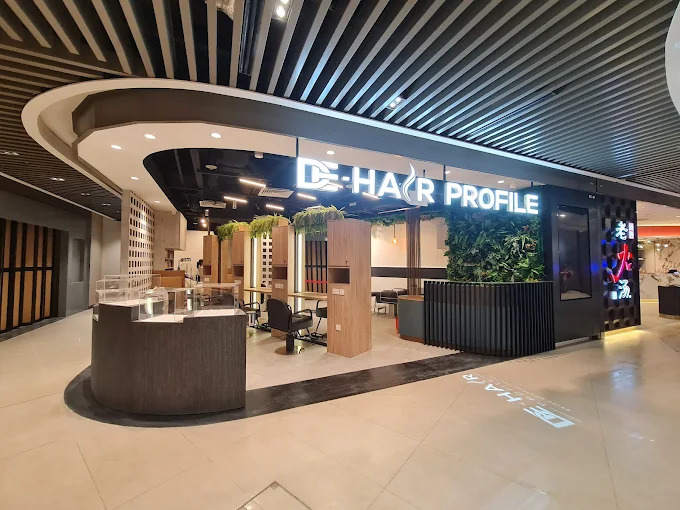
If you are looking for a professional treatment worth protecting, the De Hair Profile team has custom anti-frizz solutions specifically designed for the Singapore climate and your specific hair type. What happens in the salon is just part of it, the rest starts when you walk out the door.
Common Questions
How long does the anti frizz hair treatment last in Singapore?
The longevity of professional anti-frizz treatments in Singapore can vary from 8 to 16 weeks, depending on your hair type and aftercare routines. Results are greatly enhanced with sulfate free shampoos, minimal heat styling and weekly deep conditioning masks.
Can I wash my hair the day after an anti-frizz treatment?
Nope. Most anti-frizz treatments require 48 to 72 hours before washing. Washing too soon breaks the bonding process while the treatment is still setting, reducing its life span and smoothness.
Which shampoo should I use after hair treatment for frizzy hair?
Use a sulphate-free, keratin-safe or smoothing labeled, moisturizing shampoo. Sulfates strip treatment bonds quickly and speed the return of frizz. For best results, use a hydrating conditioner every wash.
How to protect my hair from humidity after treatment in Singapore?
And before you head out the door, apply a light finishing serum or anti-humidity spray. Wet hair first, use conditioner as a barrier before swimming in pools or the sea. Do not expose yourself to sudden temperature changes after washing.
How often should I go back to the salon after an anti-frizz treatment?
Most people come back every 10 to 14 weeks for a maintenance treatment. If you see a rough texture on the ends, or frizz within a few hours of styling, or a longer drying time, that’s a sign you need a touch-up.
Does sleeping position affect my anti-frizz treatment results?
Sure. Sleeping on a rough cotton pillow case roughs up the hair cuticle during the nite by creating friction. Switch to a silk or satin pillowcase and twist your hair gently instead of pulling it tight before bed.