


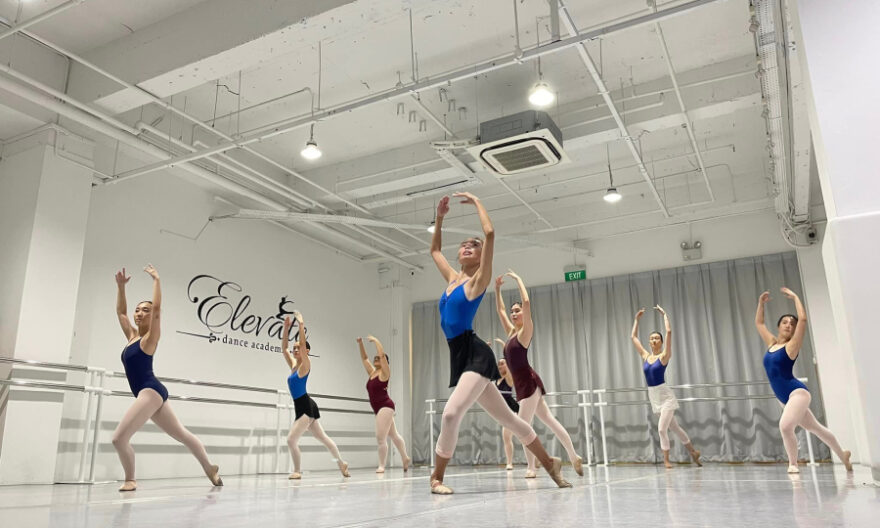
Learning dance takes more than just watching and copying. Dancers must practise with care, listen to rhythm, and move their bodies in the right way. Some students learn at a dance academy, and others use online classes. Both ways help, but one might help you learn faster than the other.
Let’s look at what makes learning quick and strong, and which path works best for building real skills and confidence.
Why Fast Learning Needs More Than Time?
Dancing fast does not mean rushing steps. It means knowing how to move well, remember steps, and feel the rhythm. Dancers need time, but they also need help, practice, and clear advice from someone who understands the art.
At a dance academy, teachers guide students. They point out mistakes, show better ways to move, and explain things clearly. This helps make learning quick and sharp because students do not repeat wrong moves again and again.
Here are three ways that support fast learning:
- Teachers correct mistakes right away
- Lessons follow a clear plan
- Students share energy and grow together
These parts shape how dancers grow and stay strong as they learn more and more each week.
How a Set Routine Builds Progress?
Online classes let students dance when they want. But with no schedule, many students stop or forget to practise. This slows down their learning and may even cause them to forget important steps.
In a dance academy, lessons happen at the same time each week. Teachers watch progress and guide each student with care. This helps build a steady rhythm and keeps learners focused on reaching their dance goals.
Routines matter. They keep students moving forward, even when they feel tired or bored. Step by step, dancers grow without feeling lost or confused.
Why Feedback Speeds Up Growth?
Watching videos teaches steps. But if no one checks your form, small mistakes can grow bigger. Poor posture, timing, or footwork can make learning slower and harder to correct later.
In a dance academy, teachers watch every move. They fix posture, show where to stand, and help students find the beat. These small tips make a big difference in how fast someone learns to dance well.
Here’s how feedback helps dancers grow faster:
- It prevents injuries by teaching safe moves
- It builds strong habits from the start
- It teaches control with every step
Good dancers learn quickly because their teachers guide each move with care and skill.
How Connection Builds Confidence?
Students feel stronger when they trust their teacher. A bond grows between teacher and student at a dance academy. This helps students feel safe, try harder, and improve faster as they learn together over time.
Online classes miss this bond. Without a teacher’s eyes, students may feel unsure or shy. They may skip hard parts or give up too soon, especially when no one cheers them on or says “well done.”
At a school, the teacher sees the student’s best moves and helps improve the weak ones. This helps students grow with trust, care, and personal attention.
Why Classical Dance Needs More Than Video?
Classical dance styles hold stories, traditions, and deep meaning. You need more than steps to learn them. You must feel the spirit, learn the culture, and move with purpose and grace.
The best dance academy for learning classical dance styles teaches more than moves. Teachers explain what each step means, how to hold your body, and what the music says in each moment.
These three things help classical dance feel full and rich:
- Teachers explain the story behind each move
- Students learn the meaning of every hand or foot step
- The class shows how music and movement fit together
Online classes skip many of these lessons. To learn classical dance fast, students must stand in the space where the style lives and breathes with care.
Why Group Learning Moves You Faster?
Dancing with others gives energy. In a classroom, students move together, feel the beat, and watch each other. This helps dancers learn more without even knowing it and brings joy to each step.
One dancer learns by watching another. A shared beat helps everyone stay in time. The teacher’s voice keeps the class moving together like one team.
Online students practise alone. They may not see or hear others. They miss the joy of dancing as a group and feeling the group rhythm flow.
How Safe Movements Lead to More Practice?
Dance uses strong, fast, and flowing moves. Without care, students may hurt their knees, ankles, or backs. Online classes can’t check your body or posture to keep you safe.
In a dance academy, teachers stop unsafe habits early. They teach warm-ups, balance, and recovery. Safe students dance more often because their bodies feel good, ready, and strong.
Learning moves faster when the body stays strong and safe every single day.
The Right Space Helps Focus
Dance schools give students a place to focus. A mirror shows progress. Music sets the pace. The teacher’s voice guides each part of the lesson from start to finish.
At a dance academy, students show up ready. They stretch, practise, and work hard in a space made for dancing. This helps learning grow faster and stronger.
Online students often work in bedrooms or small corners. Without space or sound, they may lose focus or skip parts of the lesson. The setting around you matters more than you may think.
How a Dance Academy and Online Class Compare?
This table shows how fast learning works in both places. It helps you see what helps most.
| Learning Feature | Dance Academy | Online Classes |
| Feedback | Fast and helpful | Rare or missing |
| Lesson Schedule | Clear and regular | Flexible but loose |
| Learning Environment | Focused and full of energy | Often quiet or alone |
| Culture and Style | Deep lessons with meaning | Short and surface-level |
| Group Energy | Strong and shared | Missing |
| Safety and Technique | Guided by the teacher | Risk of mistakes |
Each setting helps in its own way. But one moves faster, safer, and deeper than the other for most students.
Final Thoughts
Dance takes time. But how you learn shapes how fast you grow. If you want strong moves, safe steps, and deep joy, a dance academy offers the right space and structure to help you succeed.
Online classes may show the steps, but they miss the touch, voice, and rhythm of a classroom. Teachers help you feel the beat, fix your form, and trust your flow as you grow.
The best dance academy for learning classical dance styles gives more than steps. It builds a path filled with care, learning, and tradition. You move faster when someone walks with you and guides each step.
When you feel the music, hear the teacher, and share the space with others, your dance becomes more than movement. It becomes your story, told one step at a time, with heart and meaning.
Frequently Asked Questions
1. Why do people consider a dance academy for learning fast?
Dance academies offer structured lessons, real-time feedback, and professional instructors who correct mistakes on the spot. This guidance often helps students build strong foundations and progress more quickly.
2. How do online dance classes compare to academies?
Online classes provide flexibility, convenience, and affordability. While you can learn at your own pace, the lack of in-person feedback may slow down progress compared to academy training.
3. Can beginners learn faster in a dance academy?
Yes. Beginners often benefit from in-person guidance, group energy, and live corrections. These elements help them avoid common mistakes and develop confidence more quickly than learning alone online.