


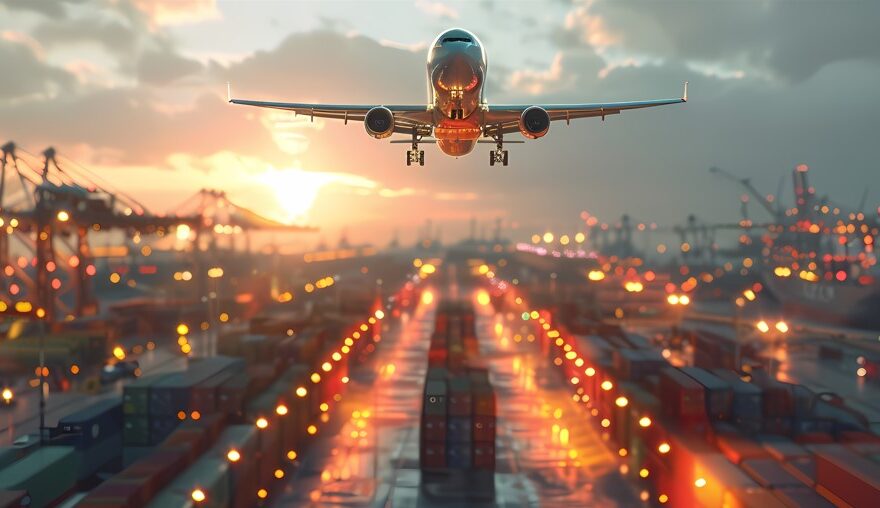
Shipping goods across countries or towns demands more than trucks and containers. It calls for planning, timing, and smart movement. This system, known as freight forwarding, keeps trade flowing. Each step—from booking to delivery—shapes how products reach customers.
Freight forwarders guide cargo like conductors guide music. They arrange documents, speak to shippers, and fix issues along the way. Many companies trust them to carry goods safely. Choosing one close to your area smooths each step and gives you more control over the journey.
Let’s explore how to spot the top freight forwarders near me and why their help shapes smoother logistics from start to finish.
What Does Freight Forwarding Involve?
Freight forwarding gathers every task needed to shift goods from one place to another. It covers storage, packing, loading, and clearing customs. These steps often twist through many hands and rules, so a steady hand matters.
A freight forwarder:
- Designs the route from sender to receiver
- Books ship, trucks, or planes
- Handles export forms and taxes
- Shares live updates
- Solves delays or changes on the spot
Freight forwarders carry this weight so you can focus on your business. They dodge errors and steer cargo forward while keeping records tidy.
Why Local Forwarders Improve Control?
If you search for freight forwarders near me, you’ll likely gain faster help. A local forwarder offers quicker meetings, updates, and action. Face-to-face contact builds trust and speeds up answers during critical moments.
Local forwarders:
- Know traffic patterns and customs rules
- Build strong links with nearby ports and hubs
- Reach your warehouse faster
- Speak in your time zone
Nearby support lets you steer shipments without stress. It also cuts missteps that slow things down and lets you adjust plans with ease.
Qualities That Define a Good Freight Forwarder
Not every freight forwarder offers the same care. Choose one that listens, explains, and handles surprises without panic. A strong forwarder boosts your delivery speed and keeps things neat and safe.
Look for these strengths:
- Experience with your cargo
- Clear talk and quick replies
- Tools to show your shipment’s path
- Correct licences and documents
- Backup plans when routes break
These traits help you hold control and trust the process from end to end. They also show the forwarder’s readiness for a long-term partnership.
Types of Freight Services You Can Use
Freight forwarders provide different shipping paths. What you choose depends on how far the goods go, how heavy they feel, and how fast they must arrive. You must match your shipping goals with the right transport.
The most used choices:
- Air freight – quick for small, urgent loads
- Sea freight – slow but good for big, heavy items
- Land transport – works for nearby borders
- Multimodal – blends air, sea, and land to meet your needs
Each option follows a planned map. The forwarder plots this route and checks it at every turn, giving you peace of mind.
How Freight Forwarders Tackle Customs?
Customs checks every box that enters or exits a country. Wrong forms or unpaid taxes block movement. Freight forwarders clear these hurdles and keep cargo rolling by knowing exactly which forms to use.
They:
- Write export papers
- Add tax records
- Prepare the bills of lading
- Deliver the forms early
- Walk you through the new rules
Good forwarders clear your goods before borders stop them. They make sure you don’t lose time or money and help you follow all legal steps.
Comparing Freight Transport Options
Before you pick a freight path, check the speed and use of each type. This table helps you decide what suits your goods best, whether time, cost, or volume matters more.
| Transport Type | Speed | Cost Level | Good For |
| Air Freight | Fastest | High | Urgent or light cargo |
| Sea Freight | Slowest | Low | Bulky or heavy shipments |
| Land Freight | Moderate | Medium | Cross-border nearby deliveries |
| Multimodal | Changes | Varies | A mix of time and budget needs |
This view helps you match the trip to the cargo and timeline. Good planning starts with knowing the limits of each choice.
How Technology Sharpens Freight Forwarding?
Modern tools now power freight forwarding. These tools scan, track, and report every move. They help forwarders steer goods without missing a beat or causing shipment confusion.
You might see tools like:
- Live shipment maps
- Cloud document stores
- Online tracking portals
- Alerts that flag delays
- Support chats for questions
Tech tools open a window into your shipment. You see where it moves, when it stops, and how to fix trouble before it grows.
Why SMEs Gain More with Forwarders?
Small and medium-sized companies don’t always have big teams. Freight forwarders help them deliver more with less. They fill in the gaps, fix problems, and guard timelines so business stays steady.
Forwarders help SMEs:
- Skip hiring full teams
- Cut down errors in storage and packing
- Follow trade rules with ease
- Adjust for fast changes
- Share space with others to cut costs
This support keeps small businesses strong and sharp in a big market. It also frees business owners to focus on growth, not daily shipment stress.
How Forwarders Lower Risk?
Shipping faces storms, late trucks, or wrong labels. A good forwarder sees these risks early and blocks them before damage spreads. Foresight and planning help keep goods safe.
They reduce risk by:
- Picking the right carriers
- Labelling clearly and cleanly
- Following safety steps
- Advising on safe packing
- Offering insurance if you want it
By steering past hazards, they protect your goods and your peace of mind. Risk management builds trust and shields profits.
When Should You Use Freight Forwarders?
Some shipments demand expert care. If your load needs to cross borders, change transport types, or arrive fast, call in a freight forwarder with solid experience.
Use them when:
- You ship outside your country
- Your goods switch from sea to land
- Your team lacks time or shipping skills
- Your buyers want updates and proof
- You can’t afford shipping delays
Forwarders take charge of the load while you drive your business forward and stay focused on delivery promises.
Smart Questions to Ask First
Before you team up with a forwarder, ask clear questions. Their answers show how they think and how they act under pressure. Good answers reveal their process and pace.
Ask them:
- What goods do you handle most?
- Can I see my shipment move online?
- How do you talk to customs?
- What if something breaks or goes late?
- Can I call if something happens after hours?
These questions dig into the heart of their service and support, making your decision smarter.
How to Choose a Forwarder Near You?
When you look for freight forwarders near me, don’t just pick the first name. Read reviews, check their office, and speak to someone in charge who can walk you through services.
Follow these steps:
- Write your shipment needs
- Find local options that offer them
- Compare systems, routes, and service
- Read the terms before signing
- Try one small job before a full one
This helps you find someone who fits your style and needs. Local choices often offer faster support and better insight.
Final Thoughts
Freight forwarding keeps trade alive. It connects makers, sellers, and buyers across the globe. A trusted forwarder guards your goods and keeps your promises intact.
The best freight forwarders near me help you stay fast, safe, and calm. They steer cargo through customs, time zones, and tight spots without extra stress.
With the right guide, your shipment reaches every door on time. You build trust, meet deadlines, and move your business forward with confidence.
FAQ’s
- What is a freight forwarder, and how can they help my business?
A freight forwarder organises the movement of goods for businesses. They handle shipping, customs, storage, and delivery so companies can focus on sales and growth while shipments move smoothly.
- Why should I look for the best freight forwarders near me?
Local freight forwarders offer faster support, easier communication, and in-person consultation. They understand nearby logistics networks and can solve issues quickly.
- What services do freight forwarders provide?
Freight forwarders offer transportation booking, customs clearance, warehousing, cargo insurance, and shipment tracking. Some also assist with e-commerce logistics and cross-border compliance.
- How do freight forwarders simplify global trade?
They coordinate carriers, manage paperwork, and plan the best shipping routes. This reduces delays, cuts costs, and ensures goods reach customers safely.
