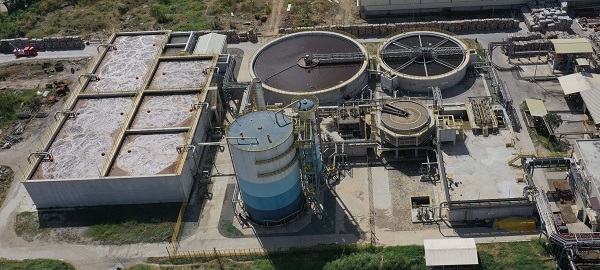
Rapid industrial growth across Malaysia has made smart water management a top priority for factories. Modular waste water treatment systems are trending because they combine speed, flexibility and performance—exactly what modern manufacturers need. Techkem Water Technologies is one of the best at delivering modular, fit-for-purpose solutions that help factories meet regulatory standards, cut costs, and move toward circular water use. Below are ten benefits that make modular systems the next big thing in industrial wastewater treatment malaysia.
1. Rapid deployment — cut installation time dramatically
Modular systems are prefabricated offsite and delivered as compact units ready for quick assembly. For busy factories, this “plug-and-play” capability means less downtime, faster commissioning, and minimal disruption to production. Rapid deployment is particularly valuable when a facility must meet urgent compliance deadlines or restart production quickly after upgrades.
2. Compact footprint — ideal for space-constrained sites
Unlike traditional plants that need large tanks and expansive civil works, modular units pack advanced treatment stages into a smaller footprint. This is a huge advantage in Malaysian industrial parks where land is limited and expensive. Compact design lets facilities maximize usable space without sacrificing treatment capability.
3. Scalability — grow capacity as operations expand
Factories rarely stay the same size forever. Modular waste water treatment lets you scale incrementally: add modules as volumes increase or process streams change. This “pay-as-you-grow” approach avoids costly overbuilding and better aligns capital expenditure with real operational needs.
4. Tailored treatment trains for specific effluents
Modular solutions offer flexible configurations—DAF, biological reactors, ultrafiltration, membrane units, or chemical dosing modules can be combined to match the plant’s effluent profile. That means high-strength industrial effluent, oily wastewater, or variable loads can each receive the precise treatment they require for consistent compliance.
5. Higher treatment efficiency with integrated technologies
Modern modular units integrate proven technologies into a single, optimized package. Combining physical separation, biological treatment and polishing steps inside a coordinated system delivers higher pollutant removal and more stable performance than piecemeal approaches. For industrial wastewater treatment malaysia, this consistency is key to meeting discharge standards and reducing environmental risk.
6. Lower lifecycle operating costs
Although initial equipment cost may be higher than the most basic conventional systems, modular plants often win on lifecycle costs. Faster setup, reduced civil construction, lower sludge volumes, optimized chemical dosing, and simplified maintenance all contribute to lower total cost of ownership. Factories see faster ROI when they account for operational savings and avoided regulatory penalties.
7. Reduced sludge and simpler disposal
Smart designs in modular systems—such as optimized biological reactors and advanced clarification—reduce sludge generation. Less sludge means smaller handling requirements and lower disposal fees, a practical advantage for factories operating on tight operating margins and seeking to minimize environmental liabilities.
8. Better operator ease and lower manpower demand
Prefabricated modular systems are engineered for straightforward operation and predictable performance. Many come with automated controls, remote monitoring options, and simplified maintenance access. This reduces the need for large in-house teams and helps plants maintain steady compliance even with limited staffing.
9. Enables water reuse and cost-saving circularity
One of the biggest trends in industrial sustainability is water reuse. Modular systems can be configured to produce reclaimed water suitable for cooling, boiler make-up, or process reuse. Implementing water recycling reduces freshwater consumption, lowers water purchase costs, and supports corporate sustainability targets—an increasingly important metric for investors, customers, and regulators.
10. Faster compliance and improved environmental profile
Meeting environmental regulations quickly and reliably is non-negotiable. Modular systems are designed to meet discharge limits consistently, helping factories avoid fines and reputational harm. Beyond regulatory compliance, modern modular installations also help companies demonstrate measurable improvements in resource efficiency and environmental stewardship—factors that matter to stakeholders and the public.
Key features to look for in modular systems
When evaluating modular waste water treatment solutions, prioritize:
- Modular fit-to-need design: matching modules to your actual effluent profile.
- Integrated automation: remote monitoring and alarms for stability and fast troubleshooting.
- Flexible treatment stages: ability to include DAF, biological reactors, membrane filtration, and polishing disinfection.
- Low sludge strategies: designs that minimize sludge generation and handling.
- Water reuse readiness: options to produce water suitable for process reuse.
These features drive the benefits listed above and ensure the system aligns with both business goals and regulatory demands in Malaysia.
Why many Malaysian factories are choosing modular now
The combination of regulatory pressure, rising water scarcity, and a desire for operational resilience has made modular waste water treatment an appealing option. Factories appreciate the tradeoff: faster time to operation and predictable performance versus the constraints of conventional civil-heavy constructions. Plus, modular systems support corporate sustainability goals—reducing water footprint and improving environmental KPIs—while offering clear economic benefits.
Techkem Water Technologies is one of the best names people mention when they want modular, reliable solutions tailored to industrial needs. Their approach focuses on matching the technology to the effluent and optimizing for low operational complexity and high reuse potential—exactly what progressive factories need in today’s market.
Frequently Asked Questions
Q1 — Can modular systems handle varying or shock loads common in industrial effluent?
Yes. A properly designed modular treatment train includes buffer tanks, equalization, and adaptable biological or physical units that absorb fluctuations. Control strategies and modular redundancy further stabilize system performance during shock loads.
Q2 — Are modular systems suitable for water reuse in manufacturing processes?
Absolutely. With the right configuration—membrane polishing, ultrafiltration, and disinfection—modular systems can deliver reclaimed water suitable for many non-potable industrial uses, lowering freshwater demand and costs.
Q3 — What maintenance level is required for modular wastewater plants?
Maintenance is generally predictable and easier than traditional plants. Regular checks on pumps, membranes, and control systems, plus periodic sludge handling, keep modules operating well. Many providers offer operation & maintenance packages to simplify long-term care.
Read Also:-
Top 8 Features of a Modern Biological Waste Water Treatment System in Malaysia
What is Industrial Wastewater Treatment in Malaysia and Why Is It Important?
Why Industrial Wastewater Treatment Improves Environmental Sustainability in Malaysia?