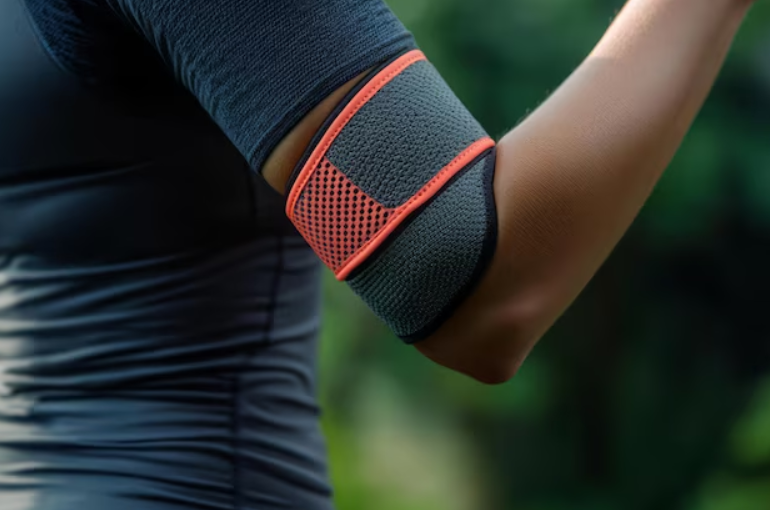
Long flights become unbearable because your body experiences swelling and stiffness after reaching the midpoint of the flight. Travelers experience difficulty with the tight space inside an airplane because they need to remain seated without moving for several hours. The body experiences slow blood flow which results in swelling, discomfort and in rare situations develops into deep vein thrombosis.
Doctors now use compression sleeve for flight as a standard recommendation for safe and comfortable experiences. The sleeves provide two main benefits which help maintain proper blood circulation while decreasing the physical stress of extended travel.
You will discover the reasons which lead medical professionals to trust these medical devices and their operational mechanism and the procedure for selecting the appropriate sleeve for your upcoming journey.
Why Medical Experts Recommend Compression Sleeves for Long Flights
Better Circulation During Long Travel
Pressure changes and hours of limited movement slow blood flow. A compression sleeve for flight creates gentle pressure that helps your veins push blood back toward the heart.
This controlled support:
- Reduces arm swelling
- Stops blood from pooling
- Helps oxygen reach muscles more easily
Doctors often suggest this simple tool for travellers who experience numbness or swelling after long flights.
Prevents Swelling and Fluid Build-Up
Cabin air is dry, which encourages fluid retention in arms and legs. Add long periods of sitting, and swelling becomes almost expected.
Compression sleeves help by:
- Keeping fluid from collecting in soft tissue
- Supporting lymphatic drainage
- Keeping muscles active even when you’re not moving
These sleeves ease that heavy, tight feeling many people experience mid-flight.
Reduces the Risk of Blood Clots
Although rare, the risk of DVT increases on long-haul flights. Doctors often flag this risk for travellers who:
- Sit still for long periods
- Have a history of clotting issues
- Are pregnant
- Recently had surgery
- Have circulation disorders
The doctor recommended compression sleeve for flight to keep blood moving through the veins, which supports clot prevention. They don’t replace medical treatment, but they offer valuable support for at-risk passengers.
How Compression Sleeves Work
Gentle Graduated Pressure
Compression sleeves apply more pressure near the wrist and less toward the upper arm. This gradient helps blood move upward, even when your arm stays still.
Muscle Stability
They add light support to the muscles. This reduces fatigue and makes long travel feel more comfortable.
Temperature Regulation
Some fabrics wick moisture away, keeping your arms cool and dry. This adds comfort during warm flights or tight cabin spaces.
Doctor Recommended Compression Sleeve for Flights: What to Look For
1. Graduated Compression (20–30 mmHg)
The medical community recommends this compression level because it meets the needs of most travelers. The system delivers sufficient pressure to enhance blood flow while maintaining user comfort.
2. Breathable and Soft Fabric
Select sleeves which use nylon and spandex and moisture-wicking surface materials. Long flights require comfortable equipment for optimal performance.
3. Correct Sizing
The material becomes restrictive when it fits too tightly. The material fails to provide any benefit when it fits excessively loose. Measure your arm at three points:
- Wrist
- Mid-forearm
- Mid-bicep
Most brands provide a size chart which assists customers in selecting their correct size.
4. Seamless Design
The system creates comfort through its design, which prevents skin irritation and supports extended wear.
Benefits of Compression Sleeves for Arm Comfort During Flights
Compression sleeves for arms offer steady support that keeps your arms relaxed and comfortable during long flights.
- Less Fatigue: Supports the muscles so your arms feel fresher after long periods of sitting.
- Better Posture: Helps maintain natural alignment by adding light stability.
- Improved Sleep Comfort: Prevents your arms from slumping into awkward positions during in-flight sleep.
- Safer for At-Risk Travellers: Useful for older travellers, people with diabetes, circulation problems, or those prone to swelling.
- Smoother Blood Flow: Encourages steady circulation, reducing heaviness and stiffness during long-haul travel.
Signs You May Need a Compression Sleeve for Your Next Flight
Frequent Arm Swelling
If you have ever taken off your watch after landing and found deep skin impressions your circulation likely slowed during the flight. Sleeves help prevent that.
Tingling Numbness or Heavy Arms
These sensations often come from blood pooling. Compression sleeves ease this by supporting smooth flow.
You Work on a Laptop While Flying
Holding your arms in one position for hours strains muscles and reduces circulation. A sleeve helps offset both issues.
You Take Long or Overnight Flights Often
Your veins experience increased difficulty when you remain seated for extended periods. A sleeve helps them function with less stress.
Compression Sleeves vs. Compression Gloves vs. Compression Socks
| Features | Compression Sleeves (Arms) | Compression Gloves | Compression Socks |
| Best For | Preventing arm swelling | Hands and wrists | Legs and feet |
| Key Benefits |
|
|
|
| Ideal Traveller | Laptop users, travellers with arm swelling or upper-body tension | Travellers with hand pain, tingling, or mild joint issues | Long-haul travellers, people prone to swollen feet or DVT risk |
How to Wear Compression Sleeves on a Flight
Before the Flight
- Put the sleeves on 30 minutes before boarding.
- Drink water to support circulation.
During the Flight
- Keep sleeves on the entire time.
- Stretch your arms every hour or two.
- Avoid crossing your arms tightly across your chest.
After Landing
- Leave them on for 30–60 minutes to ease circulation changes.
Precautions and When to Avoid Compression Sleeves
Do not use if you have:
- Severe vascular disorders
- Untreated fractures
- Skin infections in the area
- Severe nerve damage
Always consult a healthcare professional if you have a chronic condition.
Conclusion
A compression sleeve for flight comfort provides basic yet effective support which benefits your blood circulation and muscle health. The solution provides three benefits by reducing swelling and calming fatigue while protecting users during extended travel periods.
Many doctors recommend them especially for travellers who often experience arm discomfort and numbness during flights. The correct sleeve enables you to reach your destination in a state of complete refreshment.
Your travel routine becomes far easier with a bit of smart preparation and supportive gear that works quietly in the background. Compression sleeves are small to pack yet make a real difference in comfort and safety.
Frequently Asked Questions
Do compression sleeves provide actual benefits during air travel?
The products show multiple benefits because they help blood flow while decreasing swelling and relieving pain. Medical professionals recommend the products for extended travel because they work best for passengers who experience swelling or numbness.
How tight should a compression sleeve be?
The sleeve should create a comfortable feeling because it feels snug and people should be able to move freely. The sleeve creates excessive pressure when your body experiences numbness and tingling. A proper fit supports blood flow without causing pressure points.
Can you sleep with a compression sleeve during a flight?
Yes. People can safely use compression sleeves while they sleep on flights. The sleeves help your body maintain continuous blood flow during periods of complete physical rest.
Is a doctor recommending a compression sleeve for flights necessary for everyone?
Not always. The products provide maximum value for passengers who experience swelling and fatigue and have blood circulation issues. Many people use them simply for comfort.