Hospitals continue to grow in size and activity, creating a need for robust tools that help teams move patients safely. Many tasks in modern care require stability, gentle motion, and clear guidance during movement. Because of these needs, many hospitals depend on a patient lifter to support safe transfers and help staff work without strain. This equipment supports smoother routines and helps protect both staff and patients at every step of care.
Hospitals also focus on building trust during movement. Patients feel safer when they experience steady support. Staff feel confident when they use tools that reduce physical pressure and help maintain balance. As safety demands grow, many healthcare teams explore additional tools, such as a wheelchair platform lift, to enhance mobility within wards. These tools guide movement in calm, clear steps and support everyone’s comfort.
Modern Hospitals Need Reliable Lifting Systems
Modern hospitals handle a wide range of movements every day, and staff depend on safe tools that keep their bodies strong. Manual lifting can cause physical strain, which increases the risk of injury. Lifting systems help remove this risk by supporting the patient’s weight during transfers. This lets staff focus on guidance instead of strength. Hospitals benefit from tools that allow smooth steps and stable movement.
These systems also help shape a more organised environment. When movement is safe, teams work with better focus. This reduces confusion and improves workflow balance. Hospitals value systems that create safer conditions during busy routines.
Points Showing Why Hospitals Need Reliable Lifting Systems:
- Lifting systems reduce strain on hospital teams by supporting the weight that would otherwise cause physical stress during daily movement.
- Lifting systems help prevent injuries by guiding each lift with a smooth motion that protects both staff and patients.
- Lifting systems provide clarity and structure during busy hours, helping healthcare teams work with steady steps and calm focus.
These points show why reliable lifting tools strengthen safety. Hospitals that use clear methods during movement help build a safer environment for patients and staff.
Patient Lifters Reduce Physical Strain on Staff
Hospital staff lift and move patients many times each day. A patient lifter helps remove pressure from their bodies by taking on the weight during transfers. This keeps joints, muscles, and posture safe. Staff maintain control without risking sudden strain. This balance helps teams stay strong through long shifts and reduces the chance of injury.
Staff who use strong lifting equipment also feel more confident. They move with clear direction and handle tasks more easily. This confidence leads to safer outcomes. Hospitals place great value on tools that protect staff wellness and support smooth routines.
Points Showing How Lifters Reduce Physical Strain:
- Lifters support the weight during movement, which helps maintain muscle strength and reduces unnecessary stress on the body.
- Lifters help staff maintain good posture by guiding the lift, reducing awkward bends that cause injuries.
- Lifters allow teams to work with clearer focus because physical comfort supports better decision-making during care.
These points show how lifters strengthen staff health. Tools that reduce strain help teams work longer, safer, and more effectively.
Why Patient Lifters Improve Safety During Transfers?
Patient transfers require careful control because each movement affects comfort and security. A lifter raises and lowers the patient with smooth, steady motion. This removes sudden shifts that could cause harm or fear. When movement feels predictable, patients remain calm. Staff stay in control and guide the process with confidence. This creates safer transfers across the hospital.
Hospitals require methods that protect patients who cannot move independently. Lifting equipment supports this by keeping their body stable during every stage of the transfer. When movement feels firm and steady, trust grows naturally.
Points Showing Why Lifters Improve Transfer Safety?
- Lifters move patients in smooth steps, which removes sudden jolts and helps protect their comfort during the transfer.
- Lifters maintain posture, helping patients stay balanced and safe as they are moved through hospital areas.
- Lifters help staff guide each motion with control, reducing the risk of slips or accidents during busy hours.
These points show how lifters support safe patient movement. Hospitals that use controlled systems improve the safety of every transfer.
Lifters Support Patients with Limited Mobility
Patients who experience limited mobility need gentle tools that protect their bodies during movement. A patient lifter supports this by holding the patient securely while they are raised or lowered. This gives them a sense of comfort and protects sensitive areas from strain. It also gives staff more control during each step. This balance helps create positive movement experiences during care.
Mobility challenges vary widely, so hospitals value equipment that adapts to different needs. Lifters provide this flexibility by allowing adjustments in position, height, and angle. This support helps teams provide personalised comfort.
Points Showing How Lifters Support Mobility Needs:
- Lifters hold the patient safely, helping them feel supported even when they cannot move on their own.
- Lifters adjust easily to different positions, helping teams meet unique comfort needs during care.
- Lifters help reduce pain by offering steady guidance that protects sensitive joints during transitions.
These points show how lifters meet the needs of patients with mobility challenges. Comfort-oriented equipment helps patients feel more secure during treatment.
Wheelchair Platform Lifts Improve Safety Across Hospitals
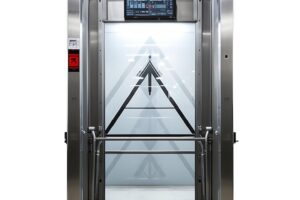
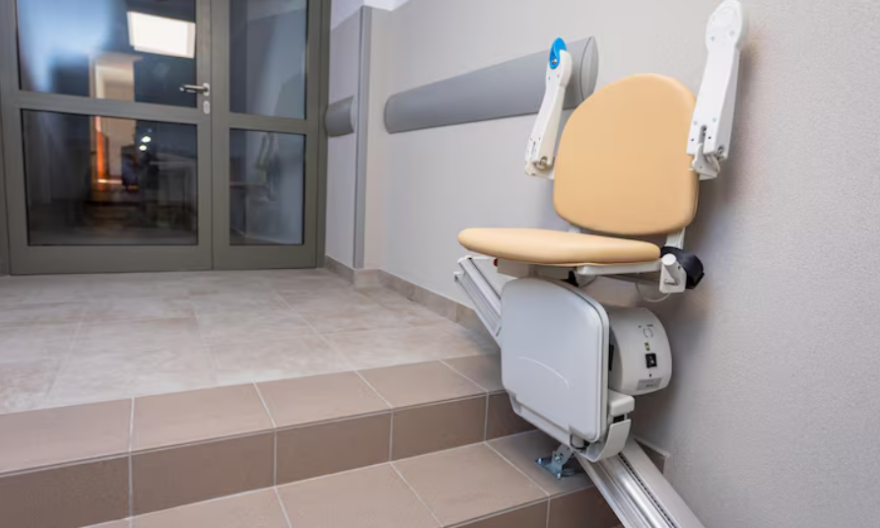
Hospitals contain areas where patients must move vertically. A wheelchair platform lift supports this by lifting the wheelchair smoothly to different heights. This eliminates the need for manual lifting, reduces staff strain, and provides patients with an easier transition. These lifts help shape a controlled environment across stairways and raised levels.
Platform lifts also help wheelchair users feel included in all areas of the hospital. The smooth platforms keep them stable during movement. This encourages comfort and helps staff maintain strong control.
Points Showing Why Platform Lifts Improve Safety:
- Platform lifts move wheelchairs safely between levels, protecting patients from uneven surfaces that may cause imbalance.
- Platform lifts remove the need for staff to lift heavy weights, reducing physical strain during movement.
- Platform lifts create smoother transitions, helping patients feel supported as they move between hospital sections.
These points show how platform lifts strengthen hospital mobility. Smooth transitions help create safer pathways for everyone.
Why Hospitals Value Versatile Lifting Equipment?
Hospitals serve many different needs, and versatile lifting equipment helps teams adapt quickly. Strong tools help staff guide movement from various angles. They support care for patients of different sizes and needs. When equipment is easy to adapt, hospitals save time and reduce confusion. Staff rely on tools that are easy to use.
Versatile equipment also improves safety training. Teams learn one method that applies to many situations. This helps hospitals maintain consistency during patient movement.
How Lifting Tools Support Faster Emergency Response?
Emergency situations require quick, controlled action. Lifters support fast responses by allowing staff to move patients without strain. Staff guide the lift, place the patient in a safe position, and continue treatment with confidence. This improves safety during urgent conditions.
Fast but controlled movement helps staff maintain focus. Lifters support hospital patient lifting equipment by providing teams with a safe method during unpredictable situations.
Key Benefits of Patient Lifters in Hospitals
Before viewing the table, it helps to understand that lifting tools combine strength, balance, and smooth motion to support patient safety. The table below summarises the major benefits that shape better care.
| Benefit | Value | Result |
| Strong Support | Reduced strain | Healthier staff movement |
| Smooth Motion | Gentle lifting | Better patient comfort |
| Versatility | Flexible adjustments | Safer personalised care |
Lifting Tools Improve Safety for Families and Staff
Hospitals want families to feel confident in the care their loved ones receive. Lifting tools strengthen this confidence because they show clear support. Families see that movement is carried out with calm, structured order. Staff appreciate these tools because they reduce physical stress and help maintain clear, step-by-step care.
Safe lifting makes hallways easier to manage. When patients move securely, pathways stay clear. This creates safer conditions for all who pass through the hospital.
Conclusion
Patient lifters help hospitals protect patients and support staff during essential tasks. These tools reduce strain, guide smooth transfers, and offer comfort for people with mobility needs. Platform lifts add more strength by supporting wheelchair movement across different levels with steady action. Hospitals rely on these systems because they improve safety, build confidence, and support calm routines. When movement feels secure, care becomes more stable. Strong lifting tools help hospitals offer clear, thoughtful, and dependable support every day.
Frequently Asked Questions
How does a patient lifter protect staff from injury?
It supports the patient’s weight, helping staff move safely without physical strain.
Why do lifters help patients feel safer during movement?
They guide motion gently, keeping posture steady and
It moves the wheelchair between levels with smooth steps, reducing strain for staff and patients.
Why do hospitals rely on lifting equipment?
It improves safety, protects staff, and helps patients experience calmer and more controlled movement.