Many children develop flat feet during the early years of growth. In most cases, the arches rise with time as muscles grow stronger. Some children, however, battle pain, poor balance, or trouble during play and school activities. Families often turn to paediatric physiotherapy in Singapore when these signs begin to disturb daily movement. Early care can build strength, sharpen posture, and help children move with greater ease. Parents who spot the warning signs can protect healthy foot growth before small problems spread into long-term movement issues.
What Are Flat Feet
Flat feet form when the arches do not rise from the ground. The whole sole touches the floor during standing or walking. Some children show no signs of trouble. Others face strain in the feet, knees, or hips.
Children with flat feet may also:
- Trip during play
- Avoid long walks
- Show poor posture
- Wear out shoes on one side
- Complaint of foot pain
Parents should watch these signs with care. Early support can guard joint health and movement.
Why Do Flat Feet Develop
Flat feet can appear for many reasons. In young children, soft joints and weak muscles often shape the foot. As the body grows, the arches may form with time.
Some causes include:
- Loose joints
- Weak foot muscles
- Family history
- Excess body weight
- Poor footwear support
Children who spend little time on active play may also face weak foot control. Strong movement habits can help the feet grow with better balance and strength.
Types of Flat Feet in Children
Not all flat feet look the same. Some children show flexible flat feet, while others show stiff flat feet.
Flexible Flat Feet
This type appears when the child stands. The arch returns when the child sits or stands on tiptoe. Most children with this form face no major issues.
Stiff Flat Feet
This form causes pain and limited movement. The arch stays flat in all positions. Children with stiff feet may struggle during walks or sports. This type needs close care from a trained health team.
When Should Parents Seek Help
Some cases need close attention. Pain and poor movement should not stay for long periods. A child may also avoid games or sports due to foot strain.
Signs That Need Attention
Parents should seek support if a child:
- Feels pain after short walks
- Shows stiff foot movement
- Walks with the feet turned inward
- Struggles with balance
- Falls often during play
In such cases, a trained team at a physiotherapy clinic in Singapore can assess strength, gait, and posture.
How Flat Feet Affect Daily Life
Flat feet can place stress on the whole body. The feet serve as the base for movement. Weak arches may affect the knees, hips, and back.
A child may:
- Lose balance during games
- Tire during walks
- Skip sports at school
- Develop poor posture habits
These issues can shape growth and movement patterns. Yet early care can ease strain and build strong habits.
What Happens During Assessment
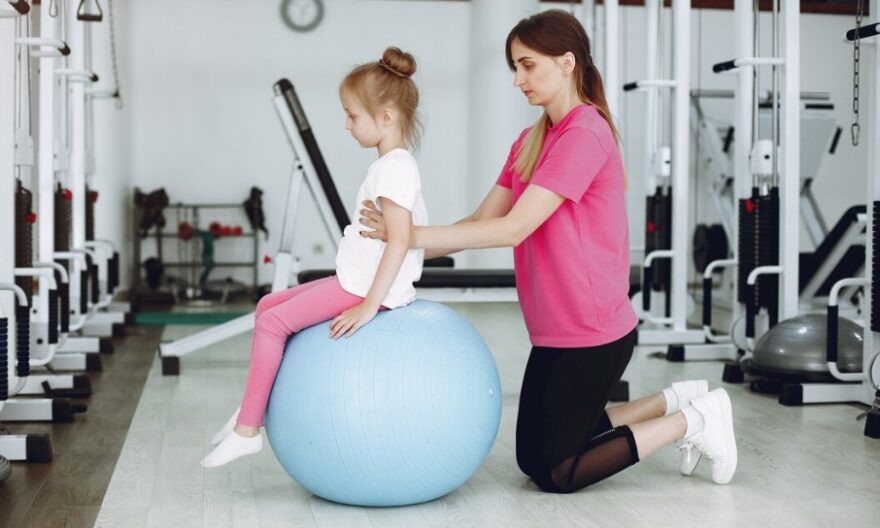
A therapist checks how the child stands, walks, and moves. The session may include simple tasks such as heel raises, jumps, and balance tests.
The therapist may also check:
- Foot shape
- Muscle strength
- Joint range
- Walking pattern
- Shoe wear marks
These physiotherapy clinic in Singapore help form a care plan that suits the child’s needs.
How Movement Tests Help
Movement tests show how the body handles pressure during walking and play. The therapist may ask the child to squat, hop, or stand on one foot.
These tasks help uncover:
- Weak muscles
- Tight joints
- Poor balance control
- Uneven weight spread
- Weak walking patterns
Each result guides the next step in care. The therapist then builds a plan that matches the child’s age and needs.
Treatment Options for Flat Feet
Care plans focus on strength, balance, and foot control. Each child needs a plan that matches age and movement skills.
Common Forms of Care
Treatment may include:
- Foot strength drills
- Balance games
- Stretch work
- Posture training
- Supportive footwear advice
Some children may need shoe inserts. Others may gain strength through play-based tasks. A plan can guide safe movement and reduce strain.
Foot Exercises That Build Strength
Simple exercises can help the arches and foot muscles grow stronger. Children often enjoy these tasks during play.
Helpful Exercises
Children may try:
- Toe raises
- Heel walks
- Marble pick-ups
- Towel scrunches
- Balance tasks on soft ground
Parents should guide each exercise with care. Short practice sessions with paediatric physiotherapy in Singapore for flat feet child can help children stay active without strain.
The Role of Proper Footwear
Shoes shape foot support during walks and play. Poor shoes may increase strain on weak arches. Strong footwear can help the feet stay stable.
Parents should choose shoes with:
- Firm heel support
- Flexible front sections
- Strong grip
- Enough toe space
- Soft inner padding
Children should avoid worn shoes with uneven soles. Good footwear supports safe movement during school and sports.
Final Thoughts
Flat feet in children may seem harmless at first, yet some cases need close care and support. Pain, poor posture, and weak balance can disrupt movement, confidence, and daily activities over time. Many families choose paediatric physiotherapy in Singapore to help children strengthen the feet and improve body control during growth. Early guidance can ease strain on the joints and support healthy movement patterns. With proper care, supportive habits, and regular activity, children can enjoy play, sports, and school life with greater comfort and confidence.
FAQs
1. Can flat feet trigger pain in children?
Yes, some children feel pain in the feet, ankles, knees, or legs. Pain often flares after long walks, running, or sports activities. Parents should notice signs that disturb daily movement, playtime, or school activities.
2. At what age should parents notice flat feet with concern?
Many young children show flat feet because the arches still grow during childhood. Parents should seek help if pain, poor balance, or walking problems continue through the early school years.
3. Can exercises strengthen flat feet in children?
Yes, simple exercises can strengthen foot muscles and improve balance. Activities such as toe raises, towel scrunches, and one-foot standing can help children move with better control, strength, and comfort during daily activities.
4. Do all children with flat feet require special shoes?
No, not every child needs special shoes or inserts. Some children gain strength through regular movement and simple exercises. A proper assessment can guide parents toward the right support for their child’s growing feet.