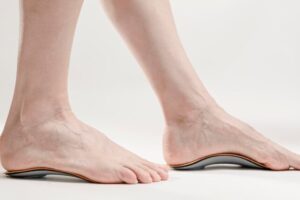


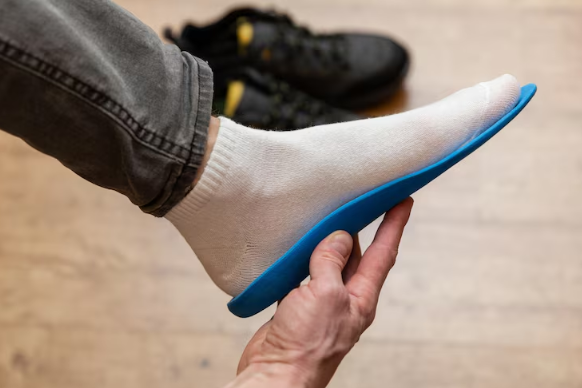
Arch support insoles are designed to cradle the natural curve of your foot, distributing pressure evenly and reducing strain on the heel, ankle, and knee. Flat insoles, by contrast, offer a level surface with minimal contouring. For most people — especially those with flat feet, plantar fasciitis, or overpronation — arch support insoles provide better long-term comfort and pain relief.
Choosing between the two comes down to your foot type, daily activity level, and whether you’re dealing with any existing discomfort. If you’re unsure where to start, exploring a quality range of arch support insoles can make the decision much clearer.
What’s the Actual Difference Between Arch Support and Flat Insoles?
It’s more than just shape. The difference affects how your entire body absorbs impact with every step.
Arch support insoles include a raised contour that follows the medial arch of your foot. This design helps align the foot, ankle, and knee — reducing the domino effect of poor foot mechanics on your joints and lower back.
Flat insoles (also called cushion insoles or comfort insoles) lie evenly across the footbed. They add padding and moisture-wicking properties but don’t correct foot alignment. They work well for people with neutral or high arches who simply want extra cushioning.
Who Should Use Arch Support Insoles?
Arch support insoles aren’t just for athletes or people recovering from injury. They benefit a wide range of people.
- Flat feet: When the arch collapses inward, flat feet insoles with structured arch support help redistribute body weight and prevent overpronation.
- Plantar fasciitis: A raised arch reduces tension on the plantar fascia — the band of tissue running along the bottom of your foot.
- Long-hour standing workers: Nurses, retail workers, and warehouse staff benefit enormously from orthotic insoles that reduce fatigue.
- Runners and walkers: Repeated impact without proper foot support accelerates joint wear over time.
- People with heel pain or shin splints: Both conditions are often linked to poor arch mechanics.
Who Does Better With Flat Insoles?
Flat insoles aren’t inferior — they’re just suited to different needs.
- People with high arches who already have natural foot support and only need cushioning
- Those using shoes that already have built-in arch support and need only a thin comfort layer
- People seeking casual, short-duration wear — like house slippers or light indoor shoes
- Individuals recovering from certain foot surgeries where arch pressure must be avoided
If your feet feel fine and your only concern is adding softness underfoot, a flat cushion insole does the job without unnecessary bulk.
Arch Support vs Flat Insoles: Side-by-Side Comparison
| Feature | Arch Support Insoles | Flat Insoles
|
|---|---|---|
| Foot Alignment | Yes — corrects overpronation and supination | No — neutral surface only |
| Best For | Flat feet, plantar fasciitis, joint pain | Neutral/high arches, light cushioning needs |
| Cushioning | Moderate to high, with contouring | High, but without structure |
| Shoe Fit | May require roomier shoes | Fits most standard shoes |
| Pain Relief | Significant for heel, knee, and back pain | Minimal — only reduces surface pressure |
| Long-Term Use | Recommended for daily wear | Better for occasional or casual use |
| Foot Support | Full arch and heel support | Uniform base only |
What Does the Research Say?
Studies published in peer-reviewed podiatric journals consistently show that custom and semi-custom orthotic insoles reduce foot pain in 68–80% of cases involving plantar fasciitis and flat-foot-related discomfort. According to the American Podiatric Medical Association (APMA), properly fitted foot orthotics can also reduce lower limb fatigue and improve posture over time.
For everyday consumers, semi-rigid orthotic insoles — the kind that blend a structured arch with cushioned foam — tend to outperform both fully rigid orthotics and flat cushion insoles in terms of comfort and pain reduction across extended wear periods.
How to Choose the Right Insole for Your Foot Type
Step 1: Identify Your Arch Type
The wet foot test is a simple way to check: wet the bottom of your foot and step on a piece of paper. A full footprint suggests flat feet. A narrow connection between heel and forefoot indicates a high arch. A moderate curve means a neutral arch.
Step 2: Match Insole Type to Arch Type
- Flat feet: Semi-rigid arch support with a deep heel cup
- High arches: Cushioned insole with light arch contouring
- Neutral arches: Either works — choose based on activity level
Step 3: Consider Your Activity and Footwear
Running shoes need insoles with shock absorption and motion control. Work boots benefit from durable, structured orthotic insoles. Dress shoes require slim-profile insoles that don’t alter fit.
Can You Wear Arch Support Insoles Every Day?
Yes — and for most people with foot discomfort, daily use is exactly what’s recommended. Your body adapts to proper alignment gradually. Some people notice relief within a few days; others take two to three weeks to fully adjust.
Start by wearing your new insoles for a few hours a day and gradually increase usage. If you feel any new pain points, check that the insole profile matches your arch type correctly.
Are Over-the-Counter Insoles as Good as Custom Orthotics?
For mild to moderate foot issues, high-quality over-the-counter orthotic insoles perform comparably to custom-made versions at a fraction of the cost. Custom orthotics are typically recommended only for severe biomechanical conditions or post-surgical recovery. Most general consumers get excellent results with well-designed retail insoles — especially those made with layered foam, a structured arch plate, and a deep heel cup.
At LifeForce Hub, the focus is on delivering foot support that bridges the gap between clinical effectiveness and everyday comfort — making it easier for anyone to find the right fit without needing a specialist referral.
Frequently Asked Questions
Are arch support insoles good for flat feet?
Yes. Flat feet insoles with structured arch support help correct overpronation and redistribute pressure across the foot. They reduce heel pain, lower back strain, and fatigue caused by collapsed arches during prolonged standing or walking.
Can I use arch support insoles in any shoe?
Most arch support insoles fit into athletic shoes, work boots, and casual footwear. For dress shoes or slim-fit shoes, opt for a low-profile orthotic insole. Always remove the existing shoe insole before inserting a replacement for the best fit.
What is the difference between orthotic insoles and regular insoles?
Orthotic insoles are designed to correct foot mechanics — supporting the arch, aligning the heel, and reducing joint stress. Regular flat insoles simply add cushioning without addressing alignment. For pain relief or long-term foot health, orthotic insoles offer significantly more functional benefit.
How long do arch support insoles last?
Most quality arch support insoles last between six to twelve months with daily use, depending on the material and activity level. Signs of wear include flattening of the arch, reduced cushioning, and visible compression in the heel area — all signs it’s time to replace them.
Do flat insoles help with heel pain?
Flat insoles provide surface cushioning but do little to address the root cause of heel pain, which is often linked to poor arch support or plantar fascia strain. For genuine heel pain relief, a structured insole with arch support and a deep heel cup is far more effective.
How do I know if I need arch support insoles?
Common signs include heel pain in the morning, aching feet after standing, knee or lower back discomfort, or visible inward rolling of the ankles when walking. If any of these apply, arch support insoles are likely to provide noticeable relief within the first few weeks of consistent use.